



















Kamila Sellier Suffers Serious Facial Injury in Dramatic Short-Track Fall on Day 14 of Milan–Cortina 2026

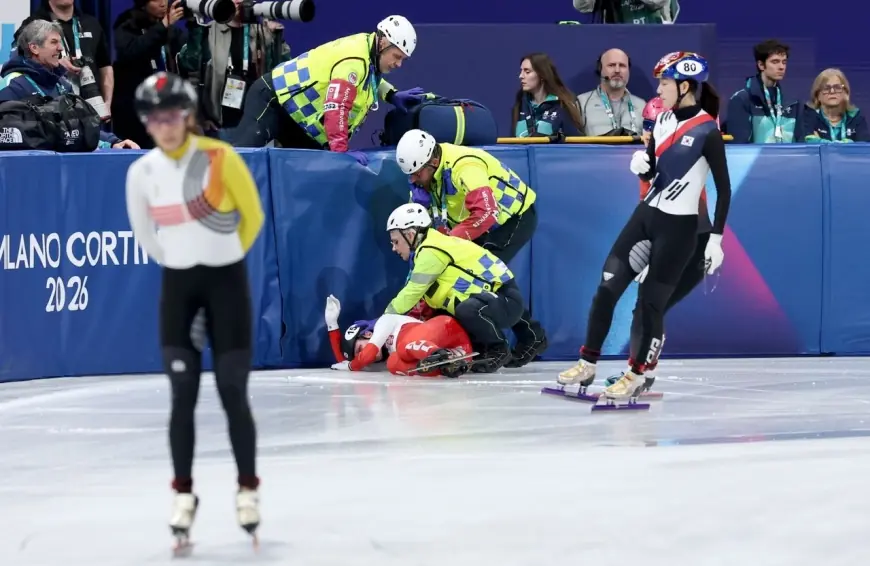
Kamila Sellier was involved in a dramatic fall during the 1500m short-track quarterfinals on the fourteenth day of competition at Milan–Cortina 2026 and was taken to hospital after being struck in the face by a skate blade. Team officials say she was conscious as she was carried off and has received on-site treatment, with further examinations pending.
Kamila Sellier: What happened and what’s new
In the quarterfinal heat for the 1500 meters in short track, Kamila Sellier fell after contact with another skater and was struck in the face by a skate blade. The fall ended her chances of advancing; although the heat was to be rerun, she was not able to take part. Medical staff tended to her on the ice and she was removed on a stretcher.
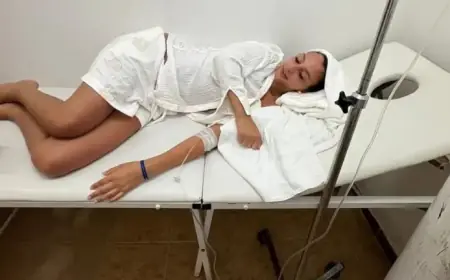
Officials and teammates who spoke with team representatives said Sellier was conscious while being assisted. Her cheek was cut and was stitched at the venue. Significant swelling around the eye was visible, and team staff noted the possibility that the zygomatic bone (cheekbone) may be injured. She was transported to a hospital for X-rays and further evaluation accompanied by the head of the mission medical team.
Members of the Polish team, including coaching and medical personnel, remained with her at the scene. A teammate noted that the team doctor accompanied her in the ambulance and that she had cuts to the eyelid and cheek. Team leadership expressed hope that the injuries would be superficial but emphasized that diagnostic tests were necessary to confirm the extent of the damage.
Behind the headline
The incident unfolded amid a packed program on the fourteenth day of the Winter Games. Short-track rounds were underway for the 1500 meters and replays of the fall were described by team officials as alarming. Team medical staff and support personnel were engaged immediately and coordinated a rapid transfer to hospital care.
Stakeholders involved in the immediate response included the athlete herself, the on-site medical team, the head of the mission medical delegation, coaching staff, and teammates. Their incentives were clear: stabilize the athlete, assess and treat visible wounds, and secure diagnostic imaging to determine whether a facial fracture exists. The constraint was the need for prompt but careful assessment to avoid worsening any potential injury and to communicate medical findings responsibly.
What we still don’t know
- Definitive diagnostic results from hospital imaging: whether the cheekbone is fractured (unconfirmed).
- Exact prognosis for recovery and potential impact on future competition (unconfirmed).
- Detailed timeline for discharge from hospital and any planned follow-up treatment (unconfirmed).
- Whether any additional internal facial injuries exist beyond the visible cuts and swelling (unconfirmed).
What happens next
- Medical imaging and specialist evaluation are completed; trigger: hospital X-rays and clinical assessment yield a clear diagnosis.
- If imaging shows no fracture, the athlete could be discharged with wound care and observation; trigger: negative X-rays and resolving swelling.
- If imaging confirms a zygomatic fracture, further treatment—potentially surgical—would be required and competition participation would be curtailed; trigger: positive fracture diagnosis.
- The team issues further health updates as tests conclude; trigger: medical team briefing following imaging.
- Event organizers proceed with scheduled reruns and remaining short-track rounds without Sellier in the rerun; trigger: official race schedule decisions and medical clearance status.
Why it matters
The immediate human concern is the athlete’s health: facial lacerations and possible bone injury require prompt, expert care to reduce the risk of long-term complications. For the team and delegation, ensuring proper medical treatment and transparent updates is a priority to maintain athlete safety and public confidence. Sporting implications include the end of Sellier’s run in the 1500m at this competition and the need to adjust team communications and medical follow-up.
Near-term implications include diagnostic clarity about the extent of the injury and decisions about any necessary intervention. The situation will also shape how the team manages athlete safety communications for the remainder of the Games and how they support Sellier during recovery.
Filmogaz will update this briefing when definitive medical results and official team statements are available from the hospital and the mission medical leadership.