




















Mens Usa Hockey Overtime Win Rewires U.S. Medal Odds and Puts Semifinal Spotlight on Depth

The overtime victory alters momentum and immediate pressure points for mens usa hockey: a single sudden-death shot not only ended a knockout game but forces the U. S. to sharpen short-window strategies for the semifinal. The roster that weathered a late regulation equalizer must now prep for a different opponent with less recovery time and heightened tactical demands.
Mens Usa Hockey: Immediate impacts on the roster, goaltending and game plan
Here’s the part that matters: this win hands the U. S. advantages and new constraints at once. The roster benefits from the confidence surge of an overtime triumph, but the coaching staff now faces decisions about line deployment, minutes management and how to protect special teams in a high-stakes, quick-turn semifinal. Expect the coaching staff to weigh fatigue against the value of keeping winning lines intact; that tension will shape practice intensity and match-night rotations.
What's easy to miss is the subtle resource shift created by consecutive overtime games across the quarterfinal slate—more players will have logged extra minutes than in a single-regulation tournament day, which can tilt matchup choices and risk assessments for the next round.
Event details and the quarterfinal pattern that led here
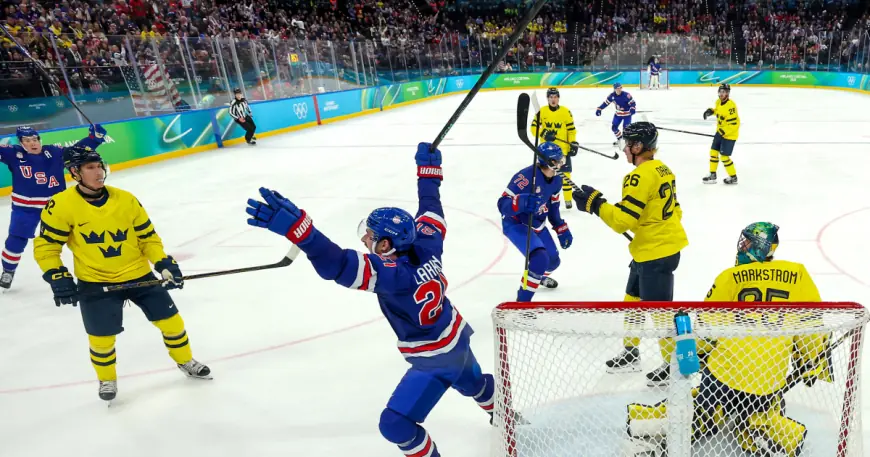
Three of the four Olympic men’s hockey quarterfinals went to overtime. In the day’s final game, Quinn Hughes scored the game-winner in overtime to give Team USA a 2-1 victory over Sweden after Sweden tied the game late in regulation. The overtime format was a sudden-death, 10-minute period played 3-on-3; Hughes’ shot struck the post and then bounced in, prompting a full-team celebration.
The other quarterfinal results created a compressed bracket: Slovakia beat Germany 6-2, Canada survived a 4-3 game against Czechia with key late saves by their goaltender, and Finland edged Switzerland 3-2 in overtime. The U. S. will face Slovakia in the semifinal on Friday, while Canada faces Finland for a berth in the gold medal game.
- Overtime count in quarterfinals: 3 of 4 games.
- USA result: 2-1 overtime win over Sweden, game-winner by Quinn Hughes.
- Next opponent: Slovakia in the semifinal on Friday.
- Other semifinal pairing: Canada vs. Finland for a shot at the gold medal game.
Quick Q& A for viewers and followers
Q: How does this overtime win change the U. S. path?
A: It advances the team to the semifinal and injects momentum, but it also compresses recovery windows and elevates the importance of rotation choices for the upcoming match.
Q: What tactical carryover matters most?
A: Special-teams readiness and line chemistry under 3-on-3 pressure matter most; the overtime format rewards players who excel in open-ice handling and quick transitional decision-making.
Q: When is the next step?
A: The semifinal is set for Friday.
The real question now is how the U. S. will balance the immediate emotional lift from an overtime victory with practical needs—rest, matchup planning and limiting exposure to risky minutes. Expect coaching emphasis on situational drills and short recovery sessions before the semifinal.
Timeline note: earlier quarterfinal outcomes created this bracket scenario—Slovakia’s decisive win over Germany and the three overtime finishes set the stage for the U. S. meeting Slovakia on Friday.
Final aside: the overtime surge across the quarterfinals signals an unusually tight knockout round and raises the value of players who can perform in sudden-death, 3-on-3 conditions. The real test will be whether that clutch performance translates into consistent execution against Slovakia in the next game.