





















South Korea’s Next Steps After Yoon’s Life Sentence

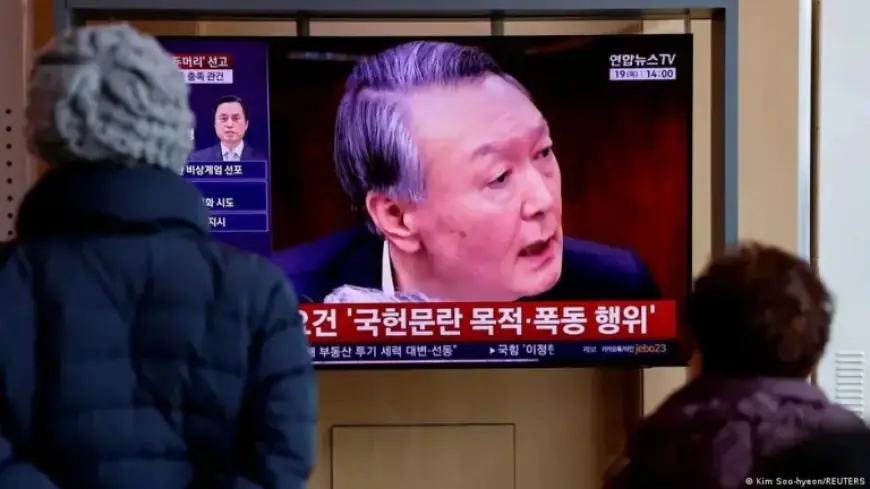
South Korea faces a pivotal moment following the life sentence of former President Yoon Suk-yeol. After being found guilty of insurrection, the political landscape is set for significant changes. This conviction is a result of his actions during a tumultuous period in December 2024, marked by martial law and an attempted coup against opposition lawmakers.
Key Events Leading to Sentencing
On December 3, 2024, Yoon declared martial law, alleging that the rival Democratic Party (DPK) was collaborating with North Korea. This action prompted the deployment of military forces to the National Assembly to block lawmakers. Despite these efforts, Parliament convened shortly after, lifting the declaration in six hours. This alarming event deepened political divisions within South Korea.
Following his actions, Yoon faced impeachment and was arrested in January 2025 after a standoff with law enforcement. The trial revealed that he had mobilized the armed forces to control the National Assembly and detain opposition leaders, actions prosecutors characterized as a personal coup.
Yoon’s Defense and Public Reaction
In his defense, Yoon claimed his actions were necessary to address a national crisis he attributed to left-wing opposition. He described his actions as an effort to safeguard freedom and constitutional governance. However, public sentiment is heavily against him. Recent polls indicated that approximately 32% of respondents believed he should receive the death penalty, while 43% supported life imprisonment.
Long-term Implications for South Korea’s Democracy
Experts suggest that Yoon’s sentencing may not signal an end to the political turmoil. Hyobin Lee from Sogang University remarked that deep-rooted issues within Korean society persist. Many supporters still rally behind Yoon, which could lead to new political challenges in the future.
Leif-Eric Easley from Ewha Womans University pointed out that while South Korea’s democracy has proven resilient, significant reforms are necessary. Key changes might include constitutional amendments to the presidency, reducing bureaucratic corruption, and ensuring a more functional legislature.
The Future of the People Power Party
Yoon’s party, the People Power Party (PPP), is contemplating its future following this verdict. Plans for a new party name reflect a desire to distance from Yoon’s leadership. However, the party remains divided, with factions either supporting or wishing to move on from him.
The Democratic Party, benefiting from public backlash against Yoon, must also remain vigilant to avoid complacency and address public needs effectively to maintain its dominance.
Conclusion
The sentencing of Yoon Suk-yeol marks a significant chapter in South Korea’s history. It reflects not only on Yoon’s actions but also on the broader implications for the country’s democratic processes. As Korea moves forward, the lessons learned from this crisis will be crucial for the nation’s political stability and governance.