

















Wes Rucker’s Death Reverberates Across Tennessee Sports Fans, Local Newsrooms and His Family

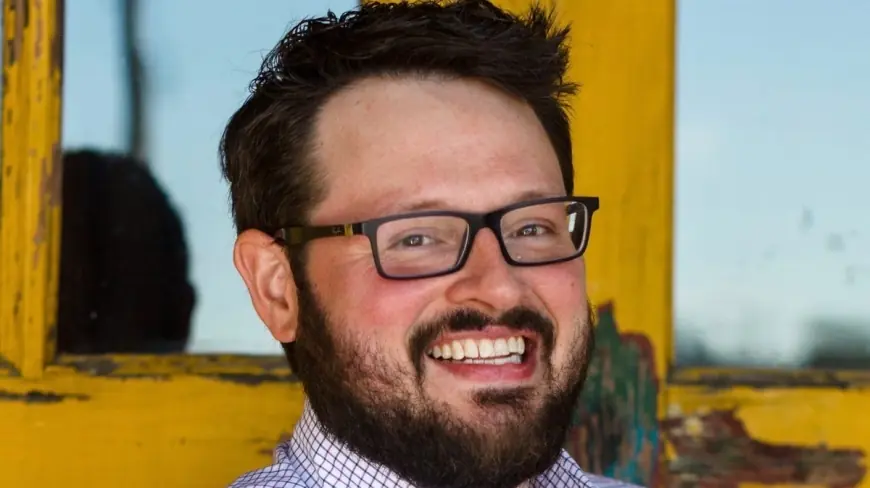
The loss of wes rucker lands first and hardest on three groups: his immediate family, the tight-knit community of Tennessee athletics fans who followed his work for decades, and the local sports newsrooms that relied on his voice and institutional memory. That near-term impact matters because it reshapes coverage patterns, interrupts ongoing reporting on the Vols and leaves a public conversation—both practical and personal—unsettled while police investigate the crash.
Wes Rucker: who feels the gap immediately and why it matters
Wes Rucker was a familiar presence around University of Tennessee athletics and in the broader local sports conversation; his death at 43 removes a consistent reporter, show host and social-media voice at a time when fans and teams were approaching the spring sports calendar. Here’s the part that matters: the people who will notice first are his family—his wife and young son—and the readers and listeners who turned to him for context and personality between games. The community effect will be both emotional and practical: fewer experienced beat reporters on routine coverage, and a sudden void in the informal channels where fans and journalists exchange information.
- Immediate emotional impact on family members, including an expected child announced late last year.
- Loss of an experienced beat reporter who covered the Vols for more than two decades.
- Short-term disruption in local athletics coverage while police continue their investigation.
What's easy to miss is how that kind of local knowledge accumulates: years of relationships, timing, and institutional recall that can't be replaced overnight. The real question now is how peers and outlets will adjust assignment plans and provide continuity for readers during this period of mourning and investigation.
Crash details and the police investigation on I-40 near Cedar Bluff Road
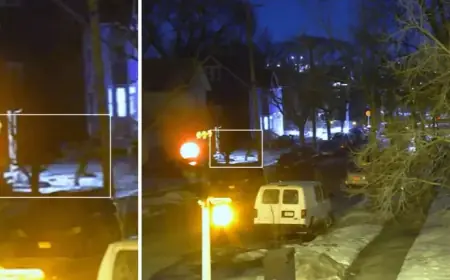
Police say the crash occurred on Interstate 40 West near Cedar Bluff Road and involved five vehicles. The sequence began when a stopped car was rear-ended, triggering a chain-reaction collision in which a large pickup truck drove onto one of the cars. Rucker was the only fatality and was pronounced dead at the scene; officers continue to investigate the circumstances surrounding the wreck. A time noted in local updates places the collision in the late afternoon on the highway, and investigators have described the crash pattern as a multi-vehicle chain reaction.
In recent public posts, wes rucker had shared personal milestones: he and his wife had announced they were expecting a second child due in May, and he often mixed reportage with candid notes about family and health struggles he'd discussed in the past. He had previously written about a serious health event years earlier and continued working in sports journalism through multiple roles, most recently in television and online platforms.
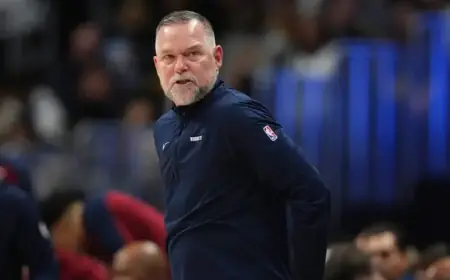
Tributes and remembrances from coaches, colleagues and fans poured in quickly, underscoring how embedded he was in the local sports ecosystem. A men's basketball coach offered condolences during a media availability shortly after the news; teammates in the media world expressed sorrow and emphasized his integrity and connection to the fanbase.
- Key takeaway: The immediate priorities are family support, clarifying the crash timeline through the ongoing police inquiry, and preserving routine coverage of Tennessee athletics while honoring Rucker’s role.
- Key takeaway: Fans should expect short-term coverage shifts as colleagues and outlets reassign beats and memorialize his work.
- Key takeaway: Confirmation of investigative findings (causes, contributing factors, any charges) will determine whether coverage shifts from memorial to accountability.
- Key takeaway: Public updates about the family’s wishes and official notices from investigators will shape how the community continues to mark this loss.
Micro timeline: 2000 — Rucker began covering the Vols as a student reporter; 2015 — he wrote about a significant health scare and recovery; late last year — he announced an expected child due in May. Police continue to investigate the Feb. 19 crash and its sequence of collisions.
The real test will be how quickly local newsrooms can maintain beat coverage while honoring a sudden loss and how investigators clarify the chain-reaction sequence that led to the fatality. For readers who relied on his regular reporting and personality, this is both a human loss and a consequential gap in day-to-day coverage.
What’s easy to overlook is the dual role reporters like Rucker play: they are both chroniclers of sport and members of the community they cover, which makes their absence felt far beyond the byline.