























What is Ain Country at the Winter Olympics? AIN country explained as Russia circles a return

The label ain country has emerged repeatedly at the Winter Olympics as a shorthand for a tightly controlled path back into competition for Russian and Belarusian athletes. The designation matters now because it frames how these competitors appear at the Games, how medals are counted, and how political tensions continue to shape sport.
Ain Country explained: what the abbreviation means
AIN stands for a designation for individual neutral athletes from Russia and Belarus. The acronym originates from a French phrase and is used to classify athletes who are allowed to compete despite broader bans on their national teams. Under the AIN designation, there is no AIN flag displayed, and neither Russian nor Belarusian flags or national anthems are used at the Games.
At these Winter Olympics, AIN athletes are a small but visible group. There are 20 AIN athletes in total: 13 from Russia and 7 from Belarus. They compete across multiple disciplines, including alpine skiing, cross-country skiing, figure skating, freestyle skiing, luge, short track, skimo, and speed skating. As of Feb. 19, the AIN medal count stood at one silver medal, won by an AIN athlete in men's ski mountaineering sprint.
How AIN status is assigned and what athletes must clear
Individual athletes can be approved to compete under the AIN designation after screening and clearance by an Olympic review committee. The vetting process includes scrutiny of athletes' public statements and social media to ensure no visible support for or ties to the conflict that prompted the broader bans. Those cleared compete without national symbols and under strict conditions tied to the neutral-athlete status.
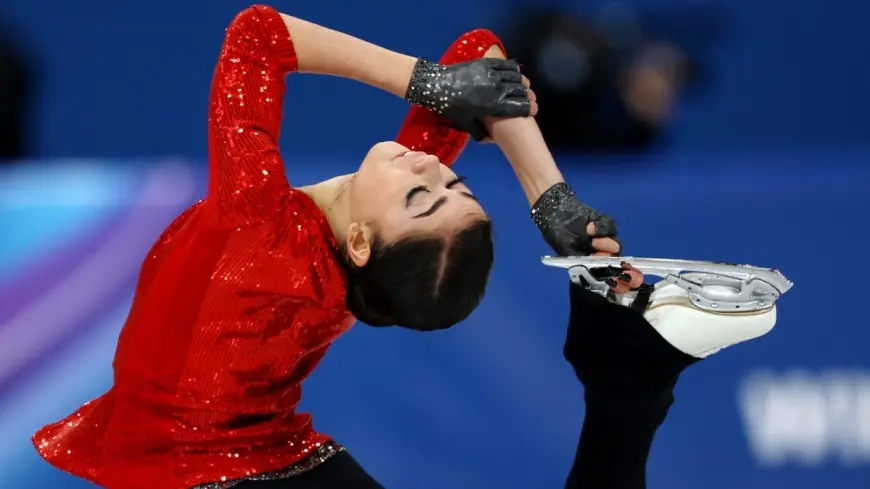
That status is behind the presence of several notable competitors in figure skating. One AIN athlete, an 18-year-old skater who sits in fifth after the short programme, is scheduled to skate in the women's free skate around 4: 15 p. m. ET today. Her performance has attracted attention both in the host city and back home, where shifts in official mood toward these athletes are visible.
Ain Country and the larger picture: Russia’s sporting comeback in focus
Beyond the technicalities of the AIN designation, recent developments have signaled a change in how Russian sport is being viewed. A visible public embrace of Olympians in Russia contrasts sharply with earlier, colder reactions when only a handful of athletes competed as authorised neutral athletes after intense scrutiny. High-level statements and media commentary inside Russia now reflect a warmer reception for the nationals who were permitted to compete under neutral status.
Institutional moves have also shifted the landscape. Late last year an international Olympic body called for youth athletes from Russia to be allowed to compete under their own flag at youth-level events, opening a potential pathway to broader national reinstatement. Senior officials from Russia’s sports leadership have publicly predicted a potential return to competition under the Russian flag and anthem could happen soon, and some observers believe a fuller return to international competition is now likely.
Those trajectories mean the AIN designation is serving as both a bridge and a test. For athletes competing as AIN, performances can add to a modest medal tally under the neutral banner. For national authorities, strong showings and international willingness to relax restrictions on youth and individual athletes are being read as signs that a return to national representation may be approaching.
What to watch next
- Key performances from AIN athletes in figure skating and other disciplines that could boost the neutral medal count.
- Institutional decisions on youth competition and broader national reinstatement that would change how and when athletes compete under national symbols.
- Statements from Olympic governance bodies and national sports officials that clarify timelines for any change in status; those statements will determine whether the current AIN framework remains an interim measure or gives way to national participation.
For now, the AIN label defines a narrow but consequential category at the Games: athletes cleared to compete, stripped of national emblems, and competing under intense scrutiny as the international sporting order adapts to ongoing geopolitical tensions. Details may evolve as governing bodies and national officials act, and the immediate focus remains on performances on the ice and snow that can change the medal ledger for the AIN grouping.