












Baby Monkey Punch: Abandoned Macaque Clings to Stuffed Orangutan and Draws Widespread Support

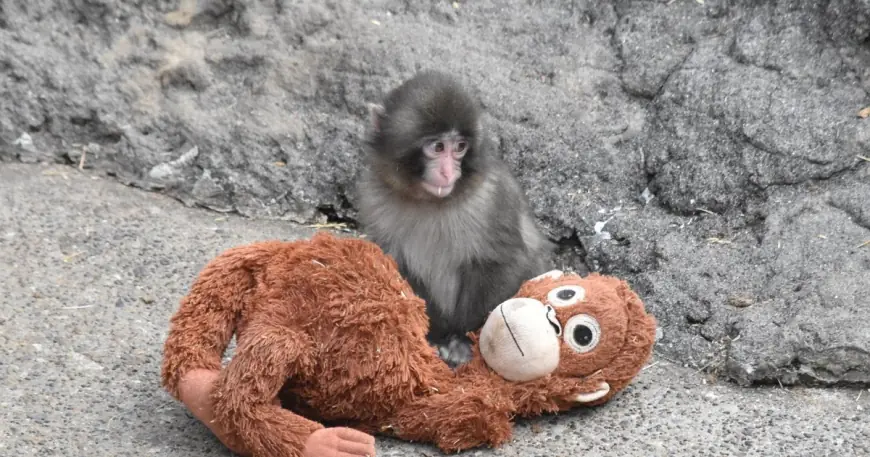
A six-month-old macaque that visitors and staff have come to call baby monkey punch was abandoned by his mother and has bonded with a stuffed orangutan used as a surrogate. The animal has been hand-reared by zoo staff and images of him clutching the toy have prompted a flood of public attention.
Baby Monkey Punch — What happened and what’s new
Punch is a male Japanese macaque born in late July and weighing 500 grams at birth. His mother, exhausted after her first delivery during a hot spell, showed no maternal care. Zookeepers immediately began hand-rearing him, feeding and caring for him after birth. Because young macaques normally cling to their mother’s fur to gain comfort and build muscle, staff experimented with several substitutes; Punch gravitated to a stuffed orangutan whose fur and appearance provided him with a sense of security.
Keepers raised Punch close to the scent and sounds of other macaques rather than isolating him entirely, with the aim of eventual reintegration. He was gradually introduced back to the monkey mountain enclosure and on a date in mid-January was fully reintroduced to the troop. During early attempts to rejoin, other monkeys were wary and Punch sometimes clung tightly to the stuffed toy. After images and video taken by visitors circulated, the zoo’s introduction of Punch on Feb. 5 received substantial engagement, with that post reposted more than 8, 000 times. A hashtag supporting Punch generated tens of thousands of posts and reposts over an eight-day span in early February.
Behind the headline
The immediate cause of the story is the pairing of an abandoned infant with a comforting object and the zookeepers’ deliberate approach to raising him near the troop’s presence. Staff members named in accounts of the case have explained that parental abandonment by macaques occurs at a measurable rate and that first-time mothers under physical strain can fail to provide care. The decision to use a stuffed toy grew from trial and error: rolled towels and other soft items were tested, but the stuffed orangutan’s texture and monkey-like appearance made it suitable for Punch.
Stakeholders in this situation include the zookeepers responsible for Punch’s daily care, the monkey troop he is being reintroduced to, and visitors whose images and posts amplified attention. The zoo has an operational incentive to prioritize the animal’s physical health and social integration; staff balanced the need to nurture Punch with the goal of fostering eventual acceptance by other macaques. Public interest has created pressure for visible progress and has offered a potential source of broader support and scrutiny.
What we still don’t know
- Long-term social integration: whether Punch will be fully accepted by the troop over time remains unclear.
- Future caregiving plan: the extent of ongoing human intervention versus independent troop care is not specified beyond the reintroduction steps described.
- Behavioral development: whether continued reliance on the stuffed toy will affect normal macaque behaviors as Punch matures is unconfirmed.
- Public engagement trajectory: whether the early surge of attention will translate into sustained support or influence the zoo’s practices is unknown.
What happens next
- Full integration: Punch gradually wins acceptance after repeated supervised interactions; trigger — consistent friendly responses from other macaques during monitored sessions.
- Partial acceptance with continued human support: Punch remains partly reliant on keepers and the toy while gaining some troop access; trigger — periodic retreat to keepers or toy after peer contact.
- Temporary setback and renewed interventions: peer aggression slows reintegration, prompting additional management measures; trigger — observable intimidation or injury during encounters.
- Behavioral adaptation away from the toy: as Punch develops, he naturally reduces dependence on the stuffed orangutan and engages more with troop activities; trigger — spontaneous social play with other juveniles without seeking the toy.
Why it matters
The episode highlights practical issues in captive animal care: how to respond when a newborn is abandoned and how to balance human intervention with the goal of restoring natural social bonds. For the public, the story has emotional resonance, prompting a surge of online engagement that can influence perceptions of animal welfare and zoo practices. Near-term implications include increased visitor interest in the monkey enclosure and heightened scrutiny of the zoo’s reintroduction approach. Operationally, keepers must monitor physical health, social dynamics, and behavioral development to determine whether Punch’s path leads to independent troop life or continued human-supported care.