

























madrid flight emergency adds to Spain airport chaos as thousands delayed

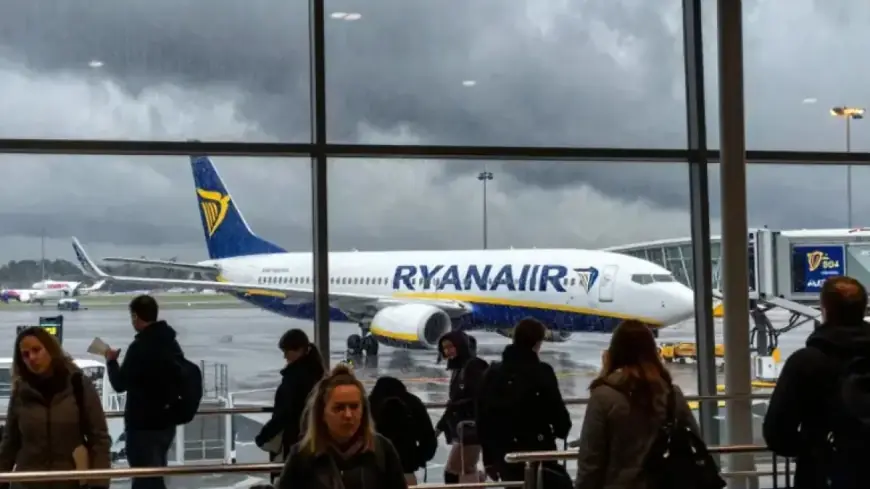
Spain’s major airports were hit by a wave of disruptions in mid-February 2026, culminating in an emergency landing in Madrid and widespread delays that left thousands of passengers stranded. The confluence of severe weather, staffing shortfalls and surging passenger volumes produced domestic and international knock-on effects that rippled through airlines and the hospitality sector.
Emergency landing in Madrid and the scale of the disruption
On February 14, 2026 (ET), Ryanair Flight FR9448 — en route from Malaga to Newquay — made an unscheduled emergency landing at Madrid after a mid-flight technical issue forced the crew to divert. The unscheduled arrival heightened safety concerns among passengers and intensified scrutiny of operations already under pressure.
The following day, February 15, 2026 (ET), nationwide traffic snarls peaked: more than 397 flights were delayed and 12 flights were canceled. Major hubs including Madrid’s primary airport, Barcelona and Málaga reported significant backlogs. Weather conditions — heavy rain and fog — degraded visibility and runway throughput, while airports struggled to match a rebound in passenger volumes with adequate staff for check-in, security and baggage handling.
Airlines, airports and the hospitality ripple effect
Low-cost and legacy carriers alike faced reputational damage as cancellations and long delays mounted. Prolonged queues at check-in desks and delayed baggage deliveries amplified traveler frustration. Ground-handling bottlenecks and scarce staffing resources lengthened recovery times after peak disruptions, leaving some flights delayed for hours with limited passenger support on site.
Local hotels close to airport hubs felt immediate consequences. A spike in last-minute bookings from stranded travelers created a scramble for rooms; some properties reported near-capacity conditions while others could not accommodate the sudden surge. The mismatch left families and business travelers scrambling for lodging and contributed to mounting complaints across affected destinations.
What travelers should do now
With uncertainty lingering in busy travel seasons, passengers bound for or transiting Spain should take a few practical steps to reduce exposure to disruption:
- Check flight status frequently official airline apps and airport notifications in the days and hours before departure.
- Choose tickets with flexibility where possible, or consider travel insurance that covers cancellations and extended delays.
- Prepare for long waits: pack essential snacks, water, chargers and entertainment; keep important documents and medications in a carry-on.
- Have accommodation contingencies: identify nearby hotels ahead of travel and note their cancellation and rebooking policies to speed last-minute arrangements.
- Document any out-of-pocket expenses incurred from delays or cancellations for potential reimbursement claims.
Authorities and operators face a twin challenge: restoring schedule reliability and improving contingency communication to passengers. Long-term resilience will require hiring and training more ground staff, investing in technology to smooth passenger flows and refining emergency response protocols so that a single technical diversion does not cascade into nationwide disruption.
Despite recent turbulence, Spain’s airports remain crucial gateways for a robust tourism season. Improved operational coordination and clearer passenger guidance can limit the scale of future incidents, but travelers should plan with flexibility in mind while the system stabilizes.