
























Explainer: uk passport rules dual citizenship changes bite as 25 February approaches

From 25 February 2026 (ET) a package of border changes will alter how British nationals with another nationality re-enter the UK. Dual nationals who do not hold a British passport will have to present a UK passport or a newly introduced certificate of entitlement — a document that carries a significant fee and has prompted confusion and anger from people who say the measures create perverse and costly outcomes.
What changes for travellers on 25 February 2026 (ET)
The overhaul ties in with the rollout of an Electronic Travel Authorisation system for visa‑exempt visitors. Under the new arrangement, British dual nationals cannot use that ETA and instead must demonstrate their British nationality at departure or on arrival by presenting a British passport or a digital certificate of entitlement attached to their non‑British passport. Without one of those, airline checks could block boarding and travellers risk being refused entry on return.
Practical and financial differences matter. An ETA for non‑visa visitors costs roughly £16 today (official plans envisage a modest rise later), while the certificate of entitlement is priced at £589. A UK passport application for an adult runs at about £100 and takes several weeks to process. The certificate’s validity is tied to the life of the holder’s foreign passport, creating additional renewal complexity.
Who is affected — anomalies and real stories
The rules hit long‑term residents and people who never needed a British passport despite holding citizenship. Examples from recent correspondence and interviews illustrate the strain: a Belgian academic who worked in the UK for decades chose to secure British citizenship but avoided applying for a British passport to keep access to her Belgian passport and to visit an elderly father. Under the new regime she would now face a substantial fee to return home.
Other dual nationals say the policy produces sharp unfairness. A French‑British national found the online ETA form halts if she declares a second nationality, leaving no clear route unless she holds a British passport. A German‑British retiree who kept a German passport for cultural reasons notes that by becoming a British citizen he has inadvertently obliged himself either to buy a UK passport or to pay hundreds of pounds for a certificate — a situation that would not have arisen had he not naturalised.
Critics characterise the outcome as an unintended consequence of digitisation and tightened border processes that penalise people who have long lived and contributed in the UK. Supporters frame the changes as bringing the system into alignment with other high‑security jurisdictions, but the cost and timing are fuelling frustration.
Options, timelines and practical steps for travellers
Dual nationals have a few clear options: apply for a British passport and use it for travel; apply for the certificate of entitlement and attach it to the foreign passport; or ensure travel occurs before the new checks are enforced. Both document routes require lead time of several weeks, and the certificate’s higher fee and passport‑linked validity make it the pricier, more administratively burdensome choice.
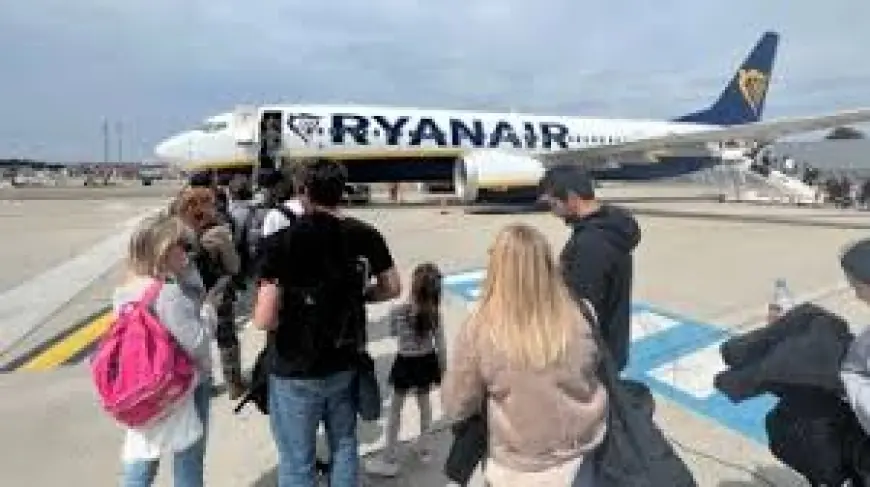
Airlines and carriers will perform checks before departure, increasing the risk that travellers who discover the change late will be denied boarding. Some carriers are reportedly considering flexible boarding policies when passengers can present alternative proof of entitlement, but these measures are not universal and cannot be relied on as a substitute for the required documents.
For those affected, the immediate steps are straightforward: audit travel documents now, decide whether to apply for a UK passport or the certificate, and allow adequate processing time. The changes are already prompting calls for clearer guidance and transitional arrangements to prevent family separations and avoidable expense as the deadline approaches.