
























MAGA Rift Deepens After Texts Show Bannon Raised 25th amendment with Epstein

Newly released documents and text exchanges have surfaced showing Stephen K. Bannon discussed invoking the 25th amendment to remove then-President Donald Trump, deepening an already volatile divide within the MAGA movement. The messages, exchanged with Jeffrey Epstein around the turn of 2019, offer a startling glimpse into private conversations among high-profile figures during a politically fraught period.
What the texts reveal
On Dec. 31, 2018 (ET), a text thread between Bannon and Epstein began that touched on Trump's state of mind and political standing following the midterm elections. In the exchange, Bannon wrote the phrase "25 amendment, " a direct reference to the constitutional provision that allows the vice president and a majority of the cabinet to declare a president unfit for office. Epstein replied that he was unsure what Trump "may do, " and the conversation included suggestions that an "intervention" might be necessary.
The files also show a broader relationship between Bannon and Epstein. In mid-2019 messages, Bannon expressed enthusiasm when Epstein shared news headlines, and counseled him on legal and media strategy as allegations resurfaced. At one point, Bannon outlined a public relations plan: push back on allegations, "crush the pedo/trafficking narrative, " and then work to "rebuild your image as philanthropist. " Other exchanges show Bannon advising on which lawyers to hire and setting up "media training. "
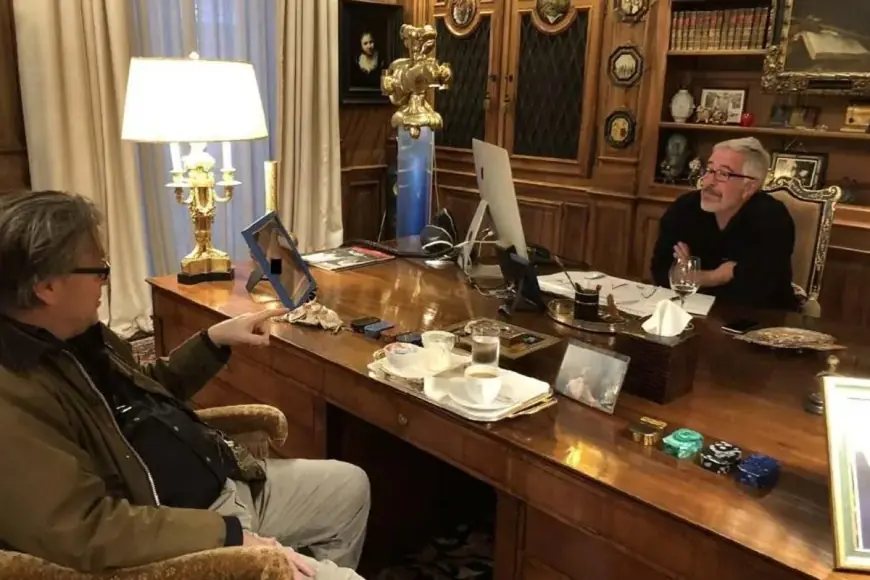
Those communications come alongside text strings from late June 2019 (ET) in which Bannon celebrated media coverage Epstein shared, writing, "Dude!!!!! Is this real Tell me this is real. " The documents portray months of contact in the run-up to Epstein's arrest, with Bannon presenting himself as a filmmaker seeking interviews and also as an adviser to Epstein on how to respond to mounting legal peril.
Political fallout within the movement
The disclosure of these conversations has intensified tensions within conservative ranks. Hardline Trump loyalists reacted with anger and alarm at the suggestion that a longtime ally contemplated removing the president the 25th amendment, a move many see as a last-resort constitutional measure. Critics within the base have called for scrutiny of Bannon's conduct and questioned his motives in maintaining ties to Epstein after Epstein's legal troubles became widely known.
At the same time, some figures defended Bannon's record of support for the president, noting his later legal battles and statements of loyalty. The revelations have reopened old fractures: between those who view any suggestion of removing Trump as betrayal and others who argue such discussions belong to the realm of political contingency planning when concerns about fitness for office arise.
Bannon's response and what's next
Bannon has characterized his relationship with Epstein as professional and centered on filmmaking, saying he was working to secure extensive interviews for a documentary aimed at exposing Epstein's abuses. He has also faced legal consequences unrelated to the Epstein files; in 2024 (ET) he served a four-month sentence for defying a congressional subpoena tied to the January 6 investigation.
With the new documents now public, questions persist about whether these private exchanges will prompt renewed investigations or political reprisals. For the MAGA movement, the disclosures have proved disruptive, forcing leaders and supporters to reconcile public political loyalties with the reality of behind-the-scenes messaging that contemplated drastic measures against a sitting president.
As other fragments of the files continue to emerge, the debate over motive, loyalty and accountability is likely to remain a focal point for both critics and allies, sustaining the internal friction that these revelations have renewed.