

























Why Are Ramadan Fasting Times Shifting This Year?

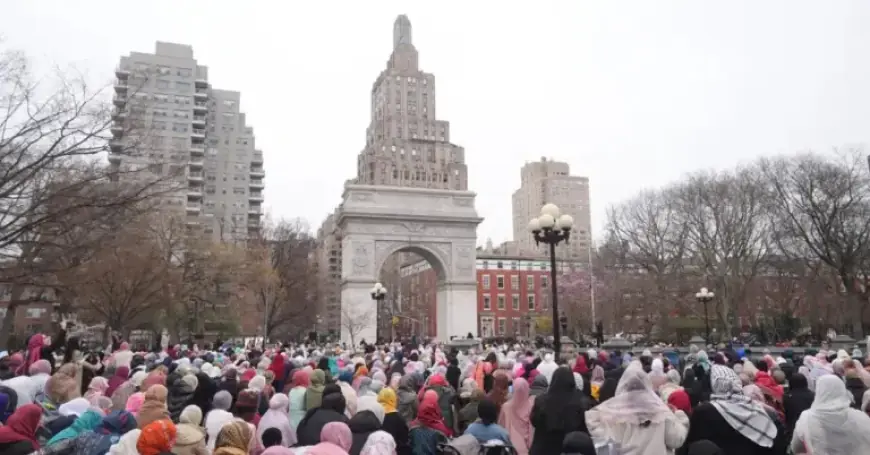
This year, Ramadan fasting times present unique challenges for many American Muslims. With Ramadan beginning around February 17 and continuing through mid-March, Daylight Saving Time (DST) plays a significant role. Clocks will spring forward on March 8, shifting the fasting schedule an hour later. Families, workers, and students have to adapt their daily routines during this holy month.
Understanding Ramadan’s Shifting Times
Ramadan is observed according to the lunar Islamic calendar, which differs from the solar Gregorian calendar. Imam Farhan Siddiqi explains that the lunar calendar is approximately 10 days shorter each year. Consequently, Ramadan shifts through seasons over a cycle of 33 years, affecting fasting conditions.
This year, Muslims in the Northern Hemisphere will find their fasting schedules particularly impacted. As days lengthen in spring, fasting may last between 12 to 15 hours. Yet, with DST, the rotation of evening activities will shift dramatically, complicating schedules.
The Impact of Daylight Saving Time
- Fast-breaking times: In New York City, for instance, iftar (the evening meal after fasting) will occur around 5:45 p.m. at the beginning of the month. However, after the clocks shift on March 8, iftar will move to 6:55 p.m.
- Daily activities: Meal prep, evening prayers, and family time will now occur an hour later, impacting sleep and social interactions.
This time change will primarily affect Muslims across the continental United States and parts of Canada. Excluded areas include Arizona and Hawaii, which don’t observe DST, and certain regions in Canada.
Individual Experiences During Ramadan
Different individuals will feel the impact of this shift in various ways. Imam Abdul-Malik Merchant notes that for many, the disruption may not be significant as they will already be accustomed to fasting routines by mid-Ramadan.
For instance, Aseel Hasan, a pregnant mother in Cincinnati, is determined to fast despite the impending time shift. She emphasizes the importance of maintaining hydration and energy levels to care for her family.
Meanwhile, Lubna Turaani, a nurse and student in Virginia, meticulously plans her routines around her work schedule and family responsibilities. She prepares for the time change by planning meals and managing expectations about her daily activities.
Support for Observers of Ramadan
The time change provides an opportunity for non-Muslims to support their Muslim friends or colleagues during this period. Understanding the shifting schedules can enhance mutual respect and consideration. For example, dinner plans may need adjustment to accommodate new fasting times.
Imam Siddiqi reminds the community that Ramadan represents more than just a month of fasting. It’s a time for spiritual renewal, growth, and connection. Muslims recognize that navigating these challenges can deepen their faith and resilience.
Conclusion
As Ramadan approaches, American Muslims are preparing for a unique experience influenced by the interplay between lunar cycles and modern timekeeping. With a blend of careful planning and spiritual commitment, they are ready to embrace the journey this Ramadan brings.