























House Scrutiny Intensifies as pam bondi Faces Backlash Over Epstein File Release

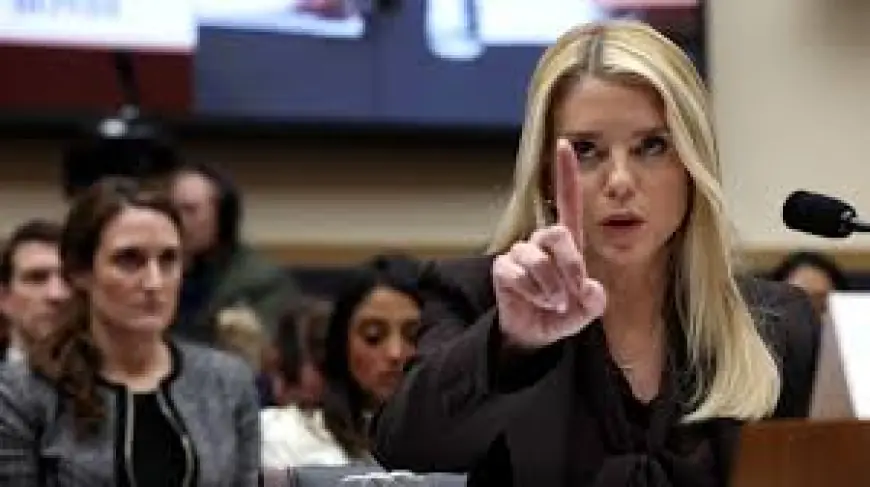
Attorney General Pam Bondi confronted a storm of criticism at a congressional hearing this week after a Justice Department release of Jeffrey Epstein-related files left survivors exposed and large segments of the records heavily redacted. Lawmakers and victims described the release as a damaging misstep that compounded years of pain for those who sought accountability.
Hearing highlights anger over unredacted material and dismissive tone
In the packed hearing room, survivors of Epstein’s trafficking network sat as the attorney general fielded pointed questions about the department’s handling of sensitive materials. When asked to offer an apology to victims for the Justice Department’s failures, Bondi declined and instead demanded an apology to the president, a move that further inflamed members of the committee and witnesses in the gallery. Her exchanges with lawmakers grew personal; she leveled insults at at least one ranking committee member and mocked others during testimony.
The department’s release included dozens of unredacted images that appeared to show nude photographs of young women and possibly minors. Survivors described the inclusion of such images as a profound betrayal. One survivor who has testified in related prosecutions called the mishandling “hard to imagine” as a more egregious failure to protect victims.
Redactions, timing and questions about priorities
While the release exposed raw and intimate materials, large portions of the files remained hidden behind redactions. Members of Congress who had access to the unredacted records noted that roughly four in five pages remain fully or partially redacted, and that the identities of several powerful men were shielded. That disparity—graphic images of victims made public while names tied to elites remain obscured—has deepened accusations that the release was selective and shielded the comfortable.
Bondi had long had the authority to make the files public but moved only after congressional pressure forced the department’s hand. When the files were ultimately posted, the execution was criticized as careless and inconsistent with the department’s stated obligations to protect privacy and active investigations. Lawmakers and advocates pressed for a clearer public rationale for the redactions and an explanation for how such sensitive images were allowed to appear online.
Political theater and the larger accountability question
The hearing repeatedly drifted into partisan theater as the attorney general traded barbs with members of both parties. Observers in the room said the exchanges underscored a broader crisis of confidence in the department’s stewardship of high-profile documents. Critics described the episode as an instance of the department failing victims while simultaneously safeguarding powerful interests.
Oversight lawmakers signaled they will pursue further inquiries into the process that led to the public posting, the internal review that produced the redactions, and the chain of custody for the records. Victim advocates urged immediate steps to remove improperly released images and to institute tighter protocols to prevent future disclosures that could re-traumatize survivors.
For now, the fallout centers on two linked failures: a clumsy document release that compromised survivors’ dignity, and a courtroom performance by the nation’s top law enforcement official that did little to restore trust. The hearing made clear that questions about transparency, privilege and accountability will remain central as the investigation into the document release continues.