
























charles bronson faces 'Catch-22' as parole bid brings bleak release prospects

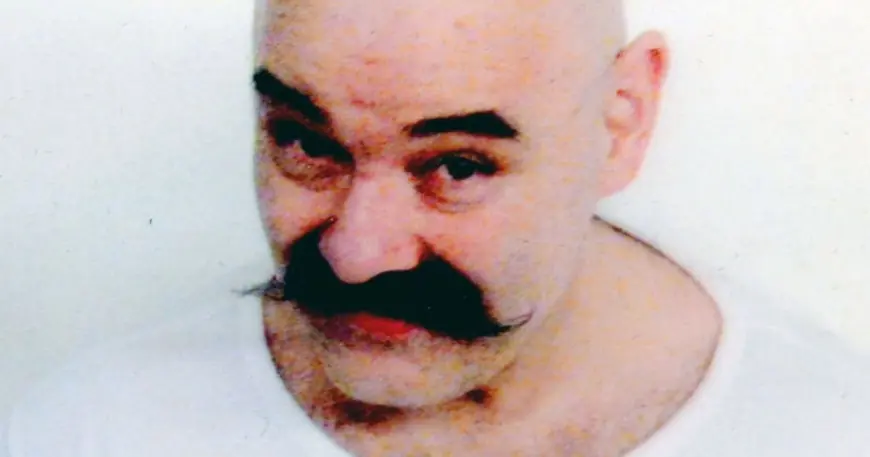
Britain’s most notorious long-term prisoner, Charles Bronson, returns to the Parole Board on Thursday, Feb. 19, 2026 (ET) for what will be his ninth appeal. At 73 and more than five decades into a sentence that began in 1974, his chances of walking free are shrinking, former prison officials warn — in large part because a system designed to protect staff and inmates also prevents him from proving he can live in a less restrictive regime.
Former governor warns a move is needed — but risks block it
A former governor who once tried to ease Bronson out of the most restrictive conditions says the inmate is trapped by a classic Catch-22: he will not be transferred to an open or standard prison because of a long record of violence, but he cannot prove he has changed while remaining in maximum-security Cat A conditions and frequent isolation. The governor recalled an experiment decades ago in which Bronson briefly occupied a normal cell and seemed to respond, only for the situation to collapse after a violent episode involving other prisoners.
Those working on Bronson’s dossier for the Parole Board will consider material from prison staff, psychiatrists and probation officers, along with submissions from his legal team. Panels can either clear him for release, recommend a staged move to a less secure setting so behaviour can be tested, or delay a decision pending an oral hearing. Defence choices and the inmate’s own engagement with the process will also weigh heavily.
Decades of violence, brief windows of release and a fractious appeals history
Bronson was first jailed in 1974 for armed robbery and, apart from two short periods of freedom early in his sentence, has been incarcerated ever since. Over the years his case has become synonymous with protracted segregation and a string of violent incidents, including hostage-taking and assaults on staff. A 1999 incident involving a hostage led to a life sentence being imposed, and more recent convictions include an assault on a prison governor.
In recent years the inmate has been vocal about his hopes and grievances. He has expressed that he has "still got hope" for release and said he carries no regrets about his life. At the same time, he has clashed with the parole process: before a recent review he dismissed his legal team and wrote that he had "sacked the legal team!" after a request for a public hearing was refused. That kind of unilateral action makes the board’s assessment more complex, as the panel must weigh both behavioural evidence and the applicant’s willingness to participate in rehabilitation steps.
System pressures and a changing prison landscape complicate prospects
Ex-prison managers point to a changed environment behind bars that makes reintegration harder. Increased gang-related activity, illicit drugs, ad-hoc violent provocations and overcrowding are cited as factors raising the risks in moving high-profile inmates into normal wings. In that climate, some argue, officials are more cautious about transfers that were considered conceivable in earlier decades.
That caution, however, perpetuates the very situation critics say prevents assessment: without exposure to less restrictive routines and increased social contact, it is difficult to establish whether a prisoner's improved behaviour is durable. For Bronson, who has spent much of his sentence in isolation, the dilemma means opportunities to test change are scarce. The Parole Board’s decision on Thursday will determine whether he is given such a test, allowed conditional release, or left to wait for another window of review.
Whichever outcome the panel hands down, the hearing highlights tensions at the heart of the penal system — balancing public safety and staff protection with the principle that rehabilitation should be demonstrable, not merely promised. For a man whose name has long been shorthand for prison violence, the practicalities of proving rehabilitation in a restrictive setting may prove the most decisive factor in whether freedom is ever within reach.