






















Why the bbc’s Lord of the Flies Adaptation Is Reigniting a Casting Debate

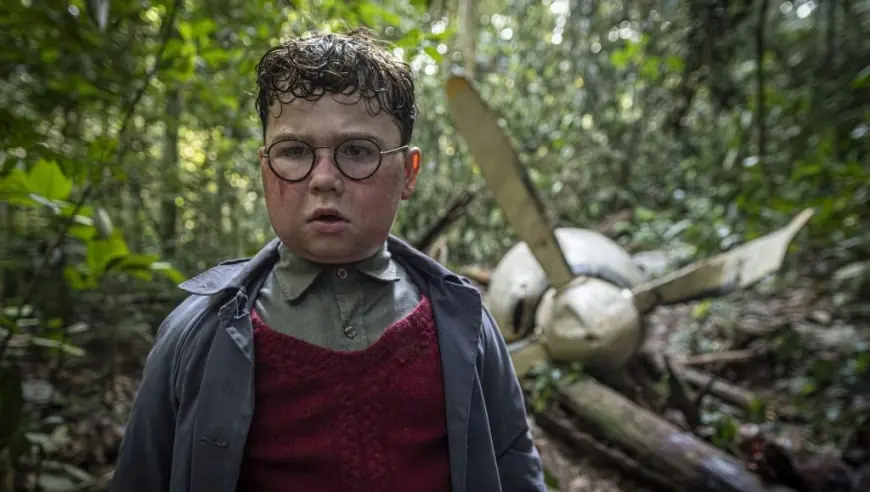
Jack Thorne’s four-part television adaptation of William Golding’s Lord of the Flies premiered on February 8, 2026 (ET) and has already produced spirited discussion about representation, authorship and what gets lost when a canonical text is adapted for a modern, diverse screen. The production — the first time the novel has been adapted specifically for television — blends an internationally cast ensemble with a high-profile creative team, but not everyone agrees the choices serve the book’s original moral and political concerns.
Casting and contention: diversity versus textual context
At the centre of the debate is a deliberate, largely colour‑blind casting approach. The lead role of Ralph is played by Winston Sawyers, and the ensemble includes Black and Asian actors in many of the pivotal parts. Supporters argue the decision opens opportunities for non‑white performers and reflects a contemporary commitment to inclusion. Opponents say the approach abstracts Golding’s critique of empire and racial hierarchy from the story, blunting the sharpness of its themes.
Critics point out that Lord of the Flies sits within the Robinsonade tradition — stories that often hinge on white English characters encountering non‑European others — and that Golding’s novel deploys language and tropes that draw a direct line to colonial anxieties. With that context removed or softened, they argue, the novel’s commentary about British identity, supposed moral superiority and the racialised construction of “savagery” becomes harder to read on screen. Proponents of the production counter that theatre and screen have long adapted classics in ways that foreground contemporary social aims, and that representation on camera carries its own moral weight.
The young cast and the production’s global footprint
Much of the series’ emotional force comes from its young performers. One notable example is a child actor from Kent who spent several months filming on location in Malaysia and was one of thirty boys chosen from thousands of applicants. Their experiences — long shoots far from home, intensive group dynamics and the pressures of performing such fraught material — have been highlighted as part of the series’ off-screen story.
The production’s international footprint extends beyond its shooting locations. Distribution deals were secured that place the series in multiple territories, and the show has been presented at an international film festival as part of a special program. The global reach underscores both the appetite for prestige literary adaptations and the commercial calculus behind reviving a well‑known property for contemporary audiences.
Creative team, tone and the adaptation’s risks
Adapted by Thorne and directed by Marc Munden, the project was framed as a contemporary take on a classic. The creative team’s aim was to retain the novel’s brutal clarity while making it resonate for a 21st‑century viewing public. The series score and production design have been singled out for heightening the drama and giving the remote island setting cinematic scope.
Yet the adaptation also illustrates a broader tension in modern adaptations: how to honour a work’s historical specificity while updating it for new sensibilities. This production’s willingness to court controversy by reframing racial dynamics has produced vigorous debate — an outcome that, even if unintended, keeps Golding’s novel alive in public conversation. Whether viewers feel the adaptation clarifies or clouds the original’s intent will likely determine its cultural staying power.
For now, the series is being watched closely: by educators who still teach the novel, by critics weighing faithfulness against representation, and by audiences eager to see how a familiar story translates to a different cultural moment.