























news: Trump pulls US support for Chagos deal as Britain warned of a '1936 moment'

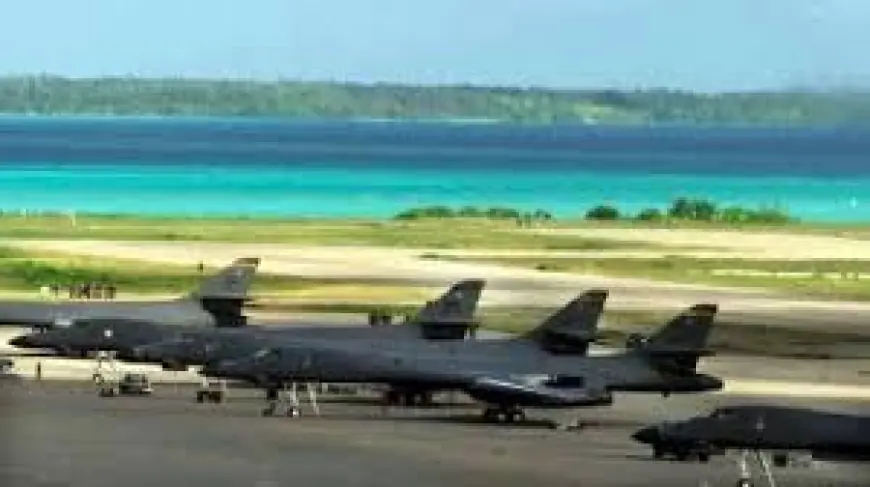
Donald Trump has withdrawn US backing for the agreement to transfer sovereignty of the Chagos Islands, publicly urging Prime Minister Keir Starmer not to hand over Diego Garcia. The move has added fresh strain to a tense defence debate in the UK, where a group of former senior military figures and ex-ministers has warned of a looming national security crisis and urged a major increase in defence spending.
US president withdraws support and highlights Diego Garcia's strategic role
In a forceful social media statement on Wednesday (ET), the US president said the planned transfer of the British Indian Ocean Territory was a "big mistake" and warned that Diego Garcia must remain under UK control to preserve the joint military base’s operational utility. He suggested the base could be required for operations should tensions with Iran escalate, and explicitly named Diego Garcia among facilities the US might need to use to counter a threat from Tehran.
The declaration marks a sharp reversal from comments made only weeks earlier, when the same administration appeared to endorse the deal. The State Department had given formal support for the transfer in the days before the U-turn. British government spokespeople have defended the negotiated agreement as the only way to guarantee the long-term future of the base on Diego Garcia while transferring sovereignty, framing the deal as essential to continued security cooperation with the United States.
The president criticised the UK leadership for what he termed acquiescence to domestic political trends and warned that ceding sovereignty would be a lasting mistake. The intervention risks complicating a delicate diplomatic compromise that was intended to balance legal, moral and strategic considerations after years of litigation and international pressure over the islands' colonial-era expulsions.
'1936 moment' warning and a call to double defence spending
A separate development in the UK has intensified debate over national defence priorities. A coalition of former senior military officers and ex-ministers issued an unusually stark intervention, arguing that Britain faces a pivotal security crossroads they likened to the fraught international environment of 1936. The group urged the government to commit to rapidly increasing defence spending, proposing a rise to an unprecedented 5% of GDP — effectively more than doubling current outlays.
The intervention described the situation as "unprecedented" and framed higher military investment as essential to deterrence and operational readiness. Backers say the move would enable investment in personnel, equipment and strategic infrastructure — including the long-term security of bases shared with allies. Critics warn such a rapid escalation in spending would require profound fiscal choices and could intensify domestic political divisions.
Labour leadership has been pressed to set out clearer long-term defence plans in response. Opposition voices have seized on the row to argue for firmer commitments to national security, while government defenders insist that current plans already aim to strengthen defence capabilities without destabilising public finances.
Wider headlines and political fallout
The Chagos and defence rows come amid a raft of other high-profile national stories, from a central bank leader signalling an earlier-than-expected departure to renewed police appeals in historic abuse inquiries. A survivor of grooming gangs says requests to meet the prime minister have not been answered, and campaigners continue to press for a robust public inquiry with full investigative powers. Technology regulation is also on the agenda, with ministers warning firms they could be blocked from the UK market if harmful intimate images are not removed within two days.
For now, the immediate diplomatic consequence of the US withdrawal of support is likely to be intense bilateral engagement as both capitals seek to manage strategic ties while safeguarding military arrangements. Domestically, the stark defence appeal has forced political parties to confront a question that will shape spending choices and alliance priorities for years to come.
Developments are ongoing and are likely to dominate both security and political agendas in the coming days.