

















Ryan Murphy’s Love Story Reexamines John F. Kennedy Jr. and carolyn bessette kennedy

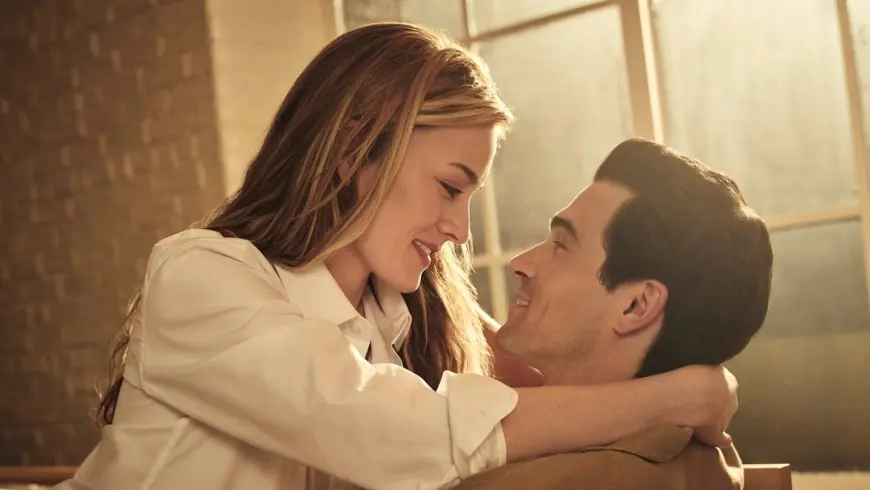
The new installment of an anthology series from Ryan Murphy premieres Thursday and dramatizes the relationship between John F. Kennedy Jr. and carolyn bessette kennedy. The limited run charts their initial spark in the early 1990s, the glare of public attention that followed, and the fatal flight that closed their story — opening with the couple’s last day before flashing back to how they met and married.
Recreating a 1990s romance under intense scrutiny
The series begins with a prologue set at a small airport and then moves back to 1992, the year the pair first crossed paths. Creators lean into the era’s New York world of fashion, media and society, portraying Kennedy as a lifelong public figure and Bessette as a rising fashion professional who cultivated a quiet, minimalist elegance. The narrative emphasizes how the couple’s private life became public spectacle: small gestures, wardrobe choices and a spare aesthetic were magnified into cultural signals that made Bessette a style icon and turned the couple into an object of fascination.
On screen, the production traces Bessette’s path from sales associate to a public relations role at a major fashion house and sketches Kennedy’s trajectory from a childhood lived in the spotlight to his adult pursuits in publishing. The storytelling choice to open with the day of the crash before rewinding to the courtship underscores how the pair’s romance is inseparable from the tragedy that defines its memory.
Casting choices, early backlash and creative intentions
Casting for the leads drew intense attention during production. Early images prompted sharp reactions about looks and styling, reflecting the real-world scrutiny the couple faced while alive. That pushback prompted adjustments behind the scenes, with the creative team describing the process as one of listening and adapting while maintaining a clear stylistic vision for the show.
Producers and cast members have emphasized a desire to handle the material with care. The series is based in part on a biography that centers Bessette’s perspective, and the adaptation aims to balance romantic drama with an exploration of how fame and media pressure shaped both partners’ lives. Critics and family members have not been uniformly enthusiastic, and the production acknowledges the difficulty of dramatizing well-known figures whose lives ended in tragedy.
Stylistic portrait, elegiac tone and what viewers should know
Visually, the series pays close attention to minimalist 1990s fashion and the restrained public persona that made Bessette a template for chic understatement. Wardrobe and hair became focal points for early commentary, which underscores how costume and appearance are woven into the show’s storytelling. On a narrative level, the series moves between intimate domestic moments and scenes of relentless public attention, framing the romance as both ordinary and performative.
The show’s structure — an opening set on the day of the crash followed by a chronological recollection of events — asks viewers to hold the couple’s end in mind while watching how their relationship developed. That editorial choice gives the drama an elegiac quality; it invites reflection on fame, privacy and the human consequences of relentless scrutiny.
For audiences unfamiliar with the details, the series offers a portrait of two people who captivated the public in different ways: one an inheritor of a famous name, the other a fashion professional whose quiet style became iconic. For those who remember the era, the show returns viewers to a particular moment in American culture — one defined by tabloid appetite, designer labels and an almost mythic fascination with certain public figures.
Whether the series prompts renewed conversation about biography, representation and responsibility or simply serves as dramatic entertainment, it is positioned to rekindle interest in a brief, intense and tragic chapter of recent history.