























How to Get to Heaven from Belfast review – a darkly comic caper that demands to be seen

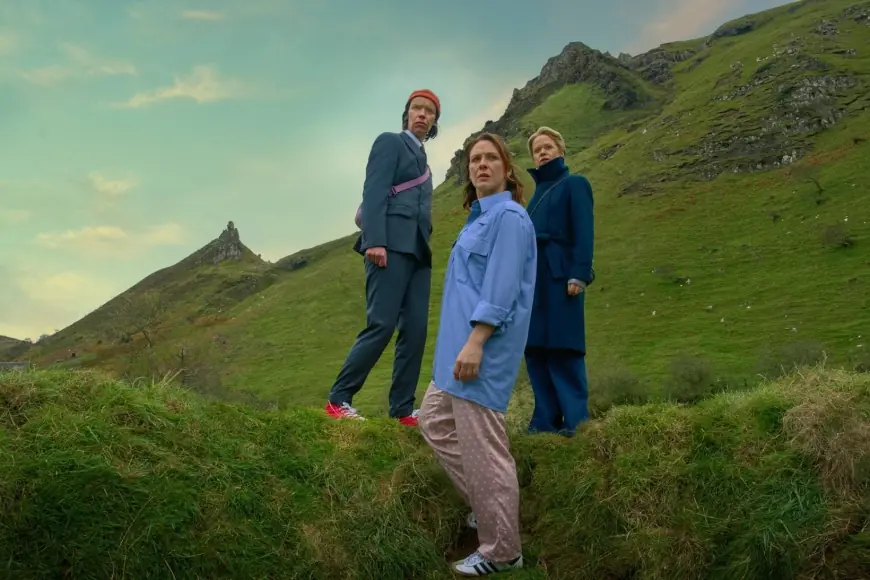
Lisa McGee’s new eight-part series arrives as a combustible hybrid of sharp comedy and pulpy crime drama. A trio of reunited schoolfriends sets off to unravel the fate of a long-lost fourth, and what follows is a relentless, surprising ride that mines friendship and lingering trauma for both laughs and jolts.
What the series does and who drives it
The story centres on three 38-year-old women — a TV crime writer, a harried mother and a carer — who come together at the wake of a childhood friend they haven’t seen in years. Strange clues at the wake, a flashback to a burned forest shack and a missing occult tattoo spark suspicion that the death is not what it seems. The women reluctantly slip from grief into investigation, turning an old secret into the engine of a road-trip caper that rarely slows.
Tonally, the show feels like a grown-up, irreverent take on classic mystery formulas. It carries the comic DNA that made its creator’s previous work so beloved — the same acidic wit and fondness for chaotic female ensembles — but transposes that energy into a darker, more volatile register. Moments of high comedy sit cheek-by-jowl with genuinely tense, eerie scenes, giving the series an unpredictable rhythm.
Production, performances and places
Shot across more than a hundred locations spanning northern and southern Ireland and a slice of London, the series uses landscape as both backdrop and character. An abandoned convent, coastal lanes, and small-town wakes provide texture and atmosphere, while the portable chemistry among the leads keeps the plot sprinting. The production design balances everyday domestic detail with fleeting, gothic touches — the forest shack flashback and occult imagery are examples — helping the show slide between moods without losing coherence.
Performance is a consistent highlight. The central trio each bring different strengths: a knack for comic timing, the ability to sell frantic scheming, and the emotional weight needed for scenes that tug at old wounds. Supporting players populate the world with dangerous charisma and simmering menace — a local police figure and a brooding antagonist complicate every turn. Observers have singled out one standout turn as particularly sensational, and the ensemble work elevates what could have been a familiar genre conceit into something more textured and alive.
Why the show matters now
At a moment when serialized comedies and mystery dramas often feel formulaic, this series leans into contradiction: it is both broadly entertaining and hard-edged. It refuses to flatten its setting into a stereotype and instead treats contemporary Ireland as a place with complex histories, lingering shadows and ordinary domestic absurdities. That approach allows the show to feel modern and specific while still delivering on the crowd-pleasing pleasures of a thriller.
Equally important is the way the narrative centres female friendship as the engine of the plot. The show makes clear that the ties formed in youth can carry culpability and loyalty in equal measure; past mistakes, unclear memories and shared secrets propel the protagonists into danger and also bind them together. For viewers drawn to character-driven mysteries, that emotional core is the series’ real hook.
Fast-moving, frequently uproarious and occasionally unnerving, How to Get to Heaven from Belfast is one of those rare offerings that may unite different audiences: fans of sharp, female-led comedy, and viewers hungry for a twisty, well-crafted mystery. It’s a show that asks to be talked about, and — for many — watched immediately.