



















2026 Winter Olympics Women Single Skating Free Skating: A Tight Medal Fight Heads Into the Decisive Thursday Skate

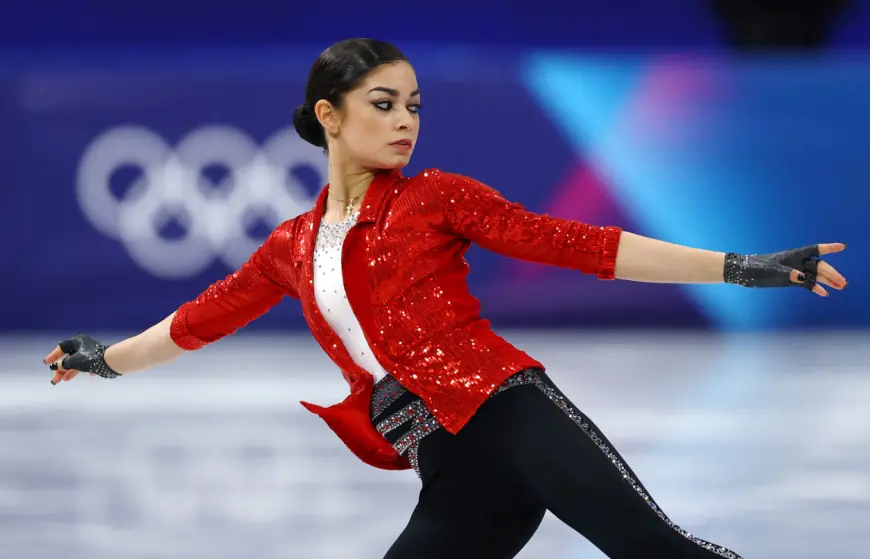
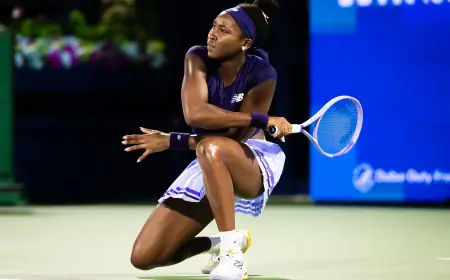
The 2026 Winter Olympics women single skating free skating is set to decide the podium on Thursday, February 19, with the top of the leaderboard compressed enough that one fully rotated jump or one popped takeoff could swing gold. The free skating is scheduled to begin at about 1:00 pm ET, and it follows a short program that produced a narrow, high-quality top group and a long list of realistic medal spoilers.
Where the standings sit entering the women’s free skating
After the short program, Japan holds a commanding position through depth rather than a runaway lead. Ami Nakai leads with 78.71 points, with Kaori Sakamoto close behind at 77.23. Alysa Liu sits third at 76.59, keeping the United States firmly in the medal mix. Mone Chiba is fourth at 74.00, while Adeliia Petrosian, skating as a neutral athlete, is fifth at 72.89.
Behind them, the chase pack is tight enough to matter. Anastasiia Gubanova is sixth at 71.77, Loena Hendrickx seventh at 70.93, and Isabeau Levito eighth at 70.84. Amber Glenn, in 13th at 67.39, is outside the immediate podium range but not out of striking distance for a big climb if the top group falters.
What makes the free skating so volatile in 2026
The women’s free skating is where base value and risk management collide. The judging structure rewards difficulty and clean execution, but the penalties for under-rotation, edge calls, and falls can erase a large technical advantage quickly. That reality shapes Thursday’s incentives: leaders must balance protecting placement with maintaining enough difficulty to fend off skaters who can outscore them on paper.
With the top five separated by less than six points, this is not a situation where anyone can simply skate conservatively. A “safe” plan that drops a high-value element can invite a clean skater from behind to pass. At the same time, chasing maximum difficulty with questionable consistency can turn a medal favorite into a mid-pack finisher within four minutes.
Key contenders and the pressure points they face
Ami Nakai enters as the short program leader with momentum and the psychological advantage of skating late. The pressure is that a lead this small is not protective. Her task is to repeat her precision under the heaviest spotlight of her career, while staying aggressive enough to keep the door shut.
Kaori Sakamoto brings veteran command and a track record of delivering in championship settings. Her incentive is straightforward: convert proximity into control. A strong free skating with high component scores can be a scoring engine, but she still needs the technical content to match the pace at the top.
Alysa Liu is positioned to disrupt a Japan-heavy podium scenario. Sitting third keeps her within direct reach of gold with a standout free skating, but it also places her in the crossfire of multiple challengers. The practical challenge is landing the high-value elements cleanly while sustaining speed and clarity late in the program, where fatigue tends to reveal itself.
Mone Chiba’s fourth-place position makes her one of the most dangerous skaters in the event: close enough to medal without carrying the weight of leading. That status can free an athlete to skate with less tension, which often translates into cleaner landings and higher overall quality.
Adeliia Petrosian is the wildcard. If she attempts a higher-difficulty jump set than the rest of the field and lands it cleanly, she can change the scoring math instantly. The risk is equally obvious: errors on ultra-difficult elements can produce large negative swings that are hard to recover from.
What we still do not know heading into Thursday afternoon
The biggest unknown is technical strategy. Which skaters will keep their planned difficulty, and which will reduce risk to protect a medal position? Also unresolved is the extent to which any contender is carrying minor injury, fatigue, or equipment issues that do not show up in the short program results but can emerge in the longer free skating.
Another missing piece is judging texture across the final group. Small differences in how tightly rotations are called or how generously program components are rewarded can change placements when margins are this narrow.
Behind the headline: why this free skating matters beyond one medal ceremony
For Japan, this event is about converting depth into domination. Multiple skaters near the top create leverage: even if one misses, another can still medal. For the United States, it is a test of whether a top-three short program position can be turned into the country’s best women’s Olympic outcome in decades, and whether the broader program can sustain championship-caliber consistency.
For the neutral athletes, the stakes include reputational scrutiny and the need to make every result speak for itself on the ice, without the usual national framing that surrounds Olympic performance.
Second-order effects follow quickly. Medal outcomes influence funding decisions, coaching moves, and competitive strategy heading into the next world championship cycle. A breakout skate can elevate an athlete’s marketability and negotiating power, while a high-profile collapse can trigger technical overhauls.
What happens next: realistic scenarios and triggers
Scenario one: the current top two skate clean, and gold becomes a head-to-head decision based on quality and small technical margins, with the leader holding if she matches her short program precision.
Scenario two: Liu lands a peak technical performance, forcing the leaders to chase and potentially reshuffling gold, especially if either Nakai or Sakamoto gives away points on rotation calls.
Scenario three: Petrosian hits the highest-difficulty plan cleanly, creating a base-value gap that others cannot match, turning the event into a question of whether the rest can compensate through execution and components.
Scenario four: one or two mistakes in the final warmup group open the door for Chiba, Hendrickx, or Levito to surge onto the podium with a clean skate and strong presentation.
However it breaks, the 2026 Winter Olympics women single skating free skating is set up as a true decider: close scores, contrasting strategies, and enough depth that no one can assume the math will hold once the music starts.