
















tell me lies: Breaking Down the Ruthless Series Finale

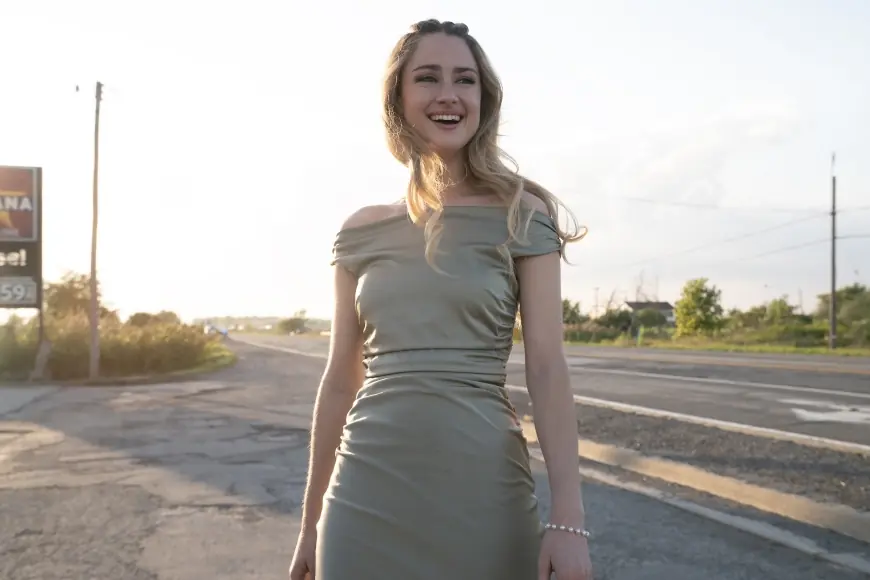
The final hour of tell me lies closes the book on three seasons of manipulation, secrecy and slow-burning consequences. Meaghan Oppenheimer’s finale stitches together 2009 college drama and a 2015 wedding day to detonate nearly every secret the show carried, forcing viewers to ask not whether the truth emerges but who ultimately pays for it.
A finale built on inevitability and consequence
From its first frame the episode signals it intends to be final and unforgiving. The narrative moves between the last days of sophomore year at Baird College and the tense lead-up to Bree and Evan’s wedding six years later. Oppenheimer framed the season around inevitability — the sense that choices ripple outward until they arrive at an ending that, in hindsight, feels almost inevitable. That tone is everywhere in the finale: characters make decisions that seem small in the moment but grow into the conditions for rupture.
Oppenheimer has described the show’s moral architecture as if an “evil god” watches the characters and laughs at their decisions. That sensibility animates the hour: cruelty and self-preservation are treated less as one-off sins than as corrosive habits. Diana’s quiet exit from the Yale trajectory, choosing Stanford because Stephen will be at Yale, is presented as a strategic refusal to keep playing the destructive game. Her line — “It’s just not worth it” — underscores how walking away becomes the only uncooptable option for someone who wants a life beyond a narcissist’s orbit.
The scenes that detonate the show’s secrets
The episode strings together a series of detonations. In the 2009 timeline, Lucy finds a photo on Evan’s laptop that reveals his hookup with her, and that discovery reverberates through the later wedding timeline. Lucy also faces the fallout from the confession tape she made under pressure — a tape in which she admits fabricating an allegation against a student named Chris to ensure some form of accountability. That tape’s exposure pivots the plot: it not only reshapes Lucy’s relationships with her peers but also raises painful questions about culpability, protection and the limits of tactical lies.
Meanwhile, Pippa’s arc provides a crucial counterpoint. Her confession to Wrigley that she’s been seeing women and the way she calls out Stephen’s pattern of harm expand the episode’s moral frame. Pippa asks why no one holds Stephen accountable, highlighting how passive complicity allows predators to shape others’ futures simply by existing in the same orbit. Wrigley’s steadiness — his unwillingness to emulate the group’s cruelty — makes his later connection with Bree more combustible and tragic.
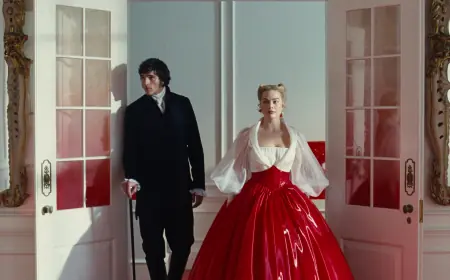
The wedding itself becomes a pressure cooker. Tension spills into a chaotic sequence that includes a cake fight and a playlist choice that feels like a private joke turned public indictment: the spectacle is both celebratory and accusatory, a perfect encapsulation of the series’ blend of intimacy and violence.
Who pays when the truth comes out?
Oppenheimer pushes the finale to ask a blunt question: even when truths surface, who bears the costs? The show resists tidy moral closure. Some characters try to change course; some are forced out of paths they’d hoped for; others continue to benefit from denial and charisma. The ending lands like the last piece of a puzzle that’s been building for three seasons: it vindicates the theme of consequence but refuses to offer moral catharsis. Instead, the final moments force viewers to reckon with the compound interest of lies — how a single decision, repeated and rationalized, can bankrupt entire lives.
For fans who followed the series from its earliest secret hints to this explosive finale, the episode reads like a cold, clear summation. It does what the series promised: it exposes the architecture of damage and leaves the audience to measure the cost.