













Why the wuthering heights movie Is Stirring a Culture War Over Passion and Fidelity

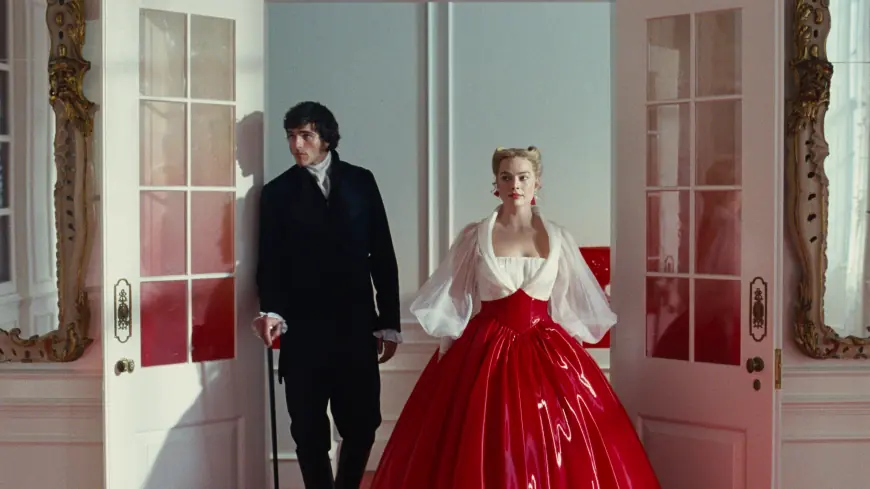
Emerald Fennell’s bold reinvention of Emily Brontë’s novel opened this weekend and has ignited a heated debate about what a modern screen adaptation of Wuthering Heights should be: a stylized fantasia of desire and spectacle, or a faithful rendering of the book’s ferocious, unsettling heart. Early reactions cluster around three flashpoints—tone, violence and casting—and they suggest the film is doing something very deliberate, even if that choice alienates some of the novel’s staunchest defenders.
Strangeness stripped or reshaped: tone and the novel’s darkness
One prominent critique frames the new film as undercutting the novel’s essential oddness. Where Emily Brontë built a narrative out of grim obsession and morally ambiguous monsters, this adaptation leans into glamour and eroticism. The director has described the project as a fantasia, a conscious effort to take a fragment of the book and render it through a contemporary, stylized lens. That creative decision shows up in lavish, sensory production design and a pop-inflected soundtrack that push the material away from the book’s bleakness.
Critics who read the novel as equal parts savagery and redemptive love argue that the film’s choices flatten that tension. Heathcliff and Catherine’s cruelty, which in the novel is inseparable from their passion, is softened here; the pair emerge more as romantic figures than as the morally compromised, almost monstrous forces of nature that Brontë imagined. For those viewers, the result is a version of the story that looks and feels contemporary but has traded the novel’s corrosive energy for sexualized spectacle.
Sex, style and spectacle: a deliberately kinky reimagining
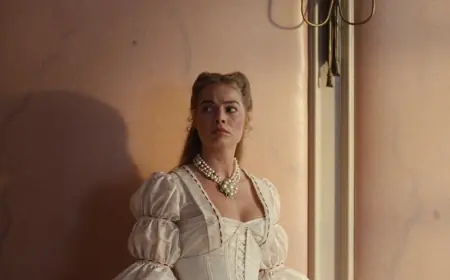
Stylistically, the film courts provocation. Set pieces emphasize tactile and erotic details—lingering close-ups, striking costume choices and rooms that feel designed to unsettle. Some audiences celebrate that bravado, calling the movie a daring, modern take on gothic desire; others find the ostentation a distraction from the moral grit that makes the original compelling. The split is vivid: screenings filled with whoops and applause from fans who respond to the chemistry and visual thrills, while literary-minded viewers and some critics find themselves longing for the book’s harsher edges.
Beyond aesthetics, this version raises questions about the ethics of romanticizing abuse. The novel’s portrait of coercion, revenge and intergenerational harm is attenuated in the film, and where Brontë punished readers by refusing to make her protagonists sympathetic, the adaptation leans into sympathy and erotic appeal. That shift reframes the story’s cruelty as tragic rather than corrosive, and that reframing is central to why debates have become so pointed.
Casting controversies and what they reveal
Casting choices have become a focal point for criticism. The depiction of Heathcliff in the novel as racially marked and socially othered carries consequences for how adaptation choices are read in the present. Some viewers argue that casting here transforms a character who is defined in part by his outsider status into a conventionally handsome romantic lead, thereby erasing a dimension of the original text that complicates questions of class, race and power.
Supporters counter that reimagining a canonical story is an act of translation, not theft, and that modern filmmaking can interpret classic characters in ways that speak to contemporary audiences. The clash is indicative of a broader cultural argument about fidelity: should adaptations strive to reproduce an original’s moral architecture, or is it legitimate for filmmakers to extract and amplify a single element—desire, for instance—and let that element dominate?
The debate around this wuthering heights movie is unlikely to settle quickly. The film’s visual audacity and clear authorial intent ensure it will be discussed not only as a piece of entertainment but as a statement about how classics get reworked for new generations. For some, the movie’s choices are a fresh, provocative dialogue with the novel; for others, they are a misread that softens the very strangeness that made Brontë’s book enduring.