






















arkansas vs alabama: Live coverage interrupted by 429 Too Many Requests error

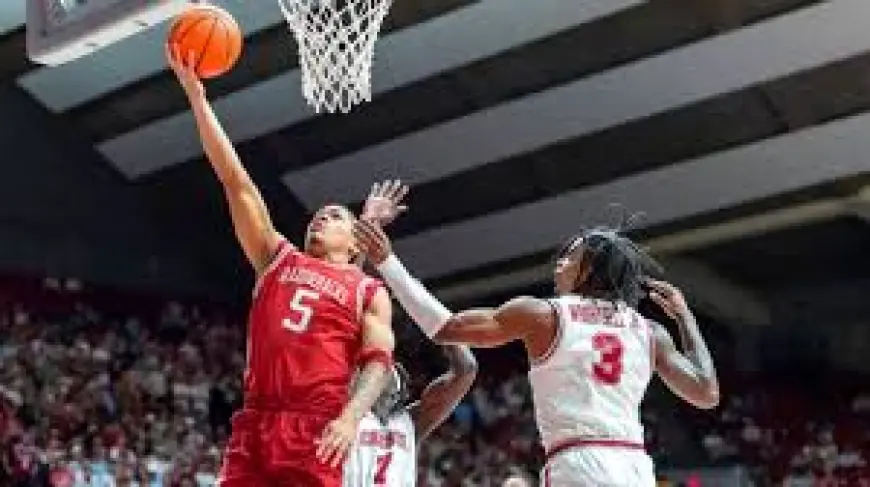
Fans seeking real-time updates for the arkansas vs alabama contest encountered a technical roadblock when a prominent live-feed returned a 429 Too Many Requests response, temporarily preventing play-by-play and stats from loading. The interruption affected web and app users attempting to follow the game in real time, producing delays in score updates and live analysis during a high-demand window.
What the 429 error means and why it matters
A 429 Too Many Requests response is an automated server rejection that triggers when a client (or an aggregate of clients) exceeds a rate limit set by a site or API. In practical terms, it means the infrastructure serving live game content was overwhelmed by request volume or flagged excessive automated traffic, and it began rejecting additional requests to protect service integrity.
For a marquee matchup like arkansas vs alabama, high concurrency is expected — fans on multiple devices, automated score trackers, fantasy platforms, and media applications all pull data simultaneously. When rate limits kick in, key services such as play-by-play logs, live statistics, and fast-updating box scores become unavailable or lag significantly, creating a fragmented experience for followers who rely on instant updates rather than broadcasts.
Short-term steps for viewers and followers
When a primary feed becomes unavailable, there are immediate alternatives fans can use to stay informed. Official team communications and in-venue scoreboards typically continue to operate and can be accessed through team mobile applications and official matchday channels. Broadcast partners carrying the game provide real-time audio and video coverage that is unaffected by a web-service rate limit, and radio broadcasts remain a reliable fallback.
For fans who depend on textual updates, local beat reporters and credentialed journalists often publish near-instant updates on personal channels; following those handles provides frequent push-style summaries. Additionally, scoreboard widgets embedded in sportsbook and statistics services usually refresh on separate infrastructure and may still display up-to-date scoring and basic stat lines. If push notifications or app alerts are enabled, they can restore a degree of live awareness without needing to reload the affected website repeatedly.
Patience also helps: rate-limiting is typically temporary. Excessive reload attempts can worsen the problem for others and extend the outage if the underlying system is throttling based on request volume. Waiting a few minutes between refreshes or switching to a different method of following the game avoids contributing to the overload.
Broader implications for coverage of high-traffic matchups
High-profile college football games regularly stress digital delivery systems. This incident underscores the need for redundancy in how live sports content is distributed and consumed. Content providers and venues must balance aggressive caching, distributed delivery, and sensible rate-limiting policies to serve peak demand without triggering service-wide throttles.
For fans, the takeaway is to employ multiple channels for critical updates—combine broadcast feeds, team apps, and trusted reporters so a single point of failure won’t leave viewers entirely in the dark. For organizers and engineers, the event is a reminder to model surge scenarios more aggressively and to plan for resilient fallbacks when automated protections activate.
Filmogaz will continue monitoring the situation and will publish updates as live feeds restore full functionality. In the meantime, fans following arkansas vs alabama should consider switching to alternate delivery methods to ensure uninterrupted coverage and avoid repeated reloads that could prolong the outage.