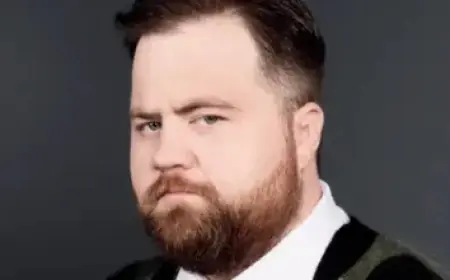













Peter Greene Cause of Death: What Authorities Say, What It Means, and Why the Details Matter Now

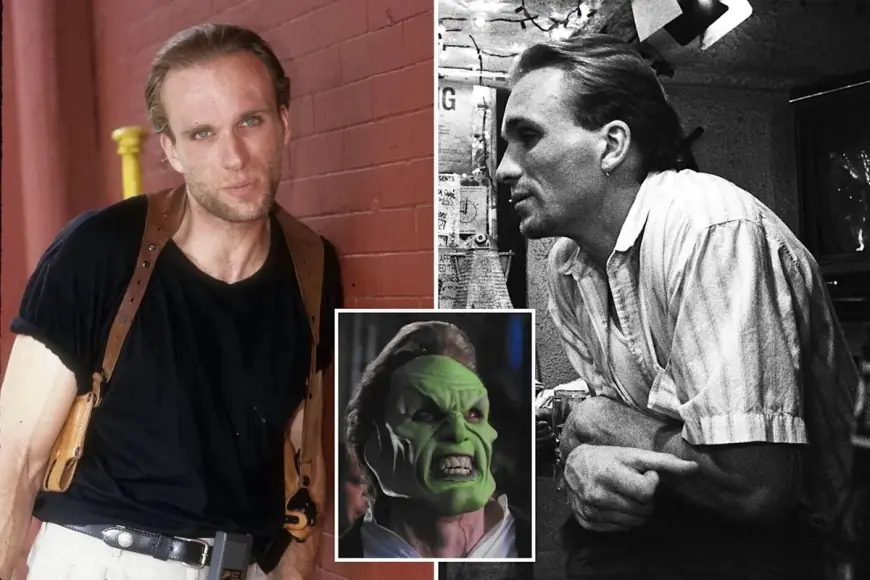
The cause of death for actor Peter Greene has been clarified after weeks of uncertainty, closing a painful chapter that began when he was found dead in his New York City apartment late last year. Officials have ruled that Greene died from an accidental gunshot wound, a determination that answers the most searched question around the case while raising new ones about how the incident happened and what, if anything, could have prevented it.
Greene, 60, was best known for intense supporting roles in 1990s crime and action films, often playing menacing or volatile characters. His death became public in mid December 2025, and the medical determination was made public in recent days in February 2026.
What happened
Investigators say Greene’s death resulted from a gunshot wound to the left axilla, an area commonly described as the left armpit, with the injury damaging a major artery supplying blood to the arm. The manner of death was ruled accidental.
A welfare check was requested after concerns were raised about activity in the apartment, and Greene was discovered inside. The official ruling, released after a standard review period, indicates the injury was not classified as homicide or suicide in the final manner-of-death determination.
Peter Greene cause of death: what “accidental gunshot wound” signals
In medical examiner terminology, the word accidental reflects a judgment about intent, not just the mechanism of injury. It means officials did not find sufficient evidence that the fatal shot was intentionally self-inflicted as a suicide attempt, nor that another person shot him.
That distinction matters because it shapes what comes next. A suicide ruling often directs attention toward mental health warning signs and missed interventions. A homicide ruling drives a search for suspects and a criminal timeline. An accidental gunshot ruling focuses on how a firearm was handled, stored, or discharged, and whether there were preventable safety failures.
Behind the headline: why this determination is getting attention now
The public’s intense interest is partly about the shocking specificity of the injury and partly about how Greene’s on-screen identity blurs with real life in the imagination of fans. Greene built a career playing dangerous men, but colleagues also described him as warm and gentle off camera. That contrast fuels a familiar narrative trap: assuming his death must have been tied to the darkness of his roles.
There’s also a practical reason this story resurfaces: official determinations often come out well after the initial breaking news, when families and friends have already been mourning in private. The delay can look suspicious to outsiders, but it is often the byproduct of standard procedures that include toxicology, scene review, and documentation checks.
Stakeholders and incentives: who is affected, and why the framing matters
Several groups have high stakes in how Greene’s death is understood.
Family and friends want accuracy and dignity, especially in a case where the word gunshot can trigger lurid speculation.
Officials have an incentive to communicate clearly because accidental firearm deaths can generate public anger about gun safety and accountability, even when no crime is charged.
The entertainment industry has reputational incentives too. When a working actor dies suddenly, conversation quickly turns to the pressures of gig-based work, health coverage gaps, and the uneven support systems around recovery and relapse. Even when none of those elements are confirmed in this case, they shape how audiences interpret the facts.
Fans also have a stake: the cause of death becomes part of the legacy story that follows an artist, sometimes unfairly reducing decades of work to a single tragic detail.
What we still don’t know
Even with an official cause and manner, several important details may remain private or simply unresolved.
How the firearm discharged, including whether it was being handled, moved, cleaned, or stored at the time.
Whether there were any mechanical issues with the weapon or environmental factors at the scene.
Whether alcohol or other substances played any role. Toxicology findings, if conducted, are not always fully disclosed publicly.
Whether anyone else was present earlier in the day, and whether investigators ruled out third-party involvement through interviews and digital records.
Second-order effects: why accidental firearm deaths ripple beyond one case
High-profile accidental shootings tend to re-ignite debates about safe storage, trigger discipline, and the risks of keeping firearms in small living spaces. They also increase attention to how quickly blood loss can become fatal, underscoring the life-saving importance of immediate emergency response and basic bleeding-control knowledge.
In the cultural sphere, sudden deaths can cause casting disruptions, delays to in-progress projects, and renewed interest in an actor’s back catalog. That attention can be supportive, but it can also be intrusive, especially when the public fixates on the manner of death rather than the person’s work.
What happens next
The official determination is likely the final word from authorities unless new evidence emerges. The realistic next steps now are mostly social and legal-administrative rather than courtroom-driven.
Private memorial plans and estate matters proceed without the uncertainty of an unresolved cause.
If any safety issues were identified, they may be handled through private channels rather than public proceedings.
Public discussion will likely shift toward Greene’s career, with renewed attention to his most memorable performances and to the complicated line between the roles he played and the life he lived.
The key takeaway is straightforward: Peter Greene’s cause of death has been ruled an accidental gunshot wound, with the fatal injury occurring in the left axilla and damaging a major artery. That answers the headline question, but it does not automatically answer the human one: how a single moment became irreversible, and what lessons, if any, should be carried forward.