















Medical Examiner: peter greene Died From Accidental Gunshot Wound

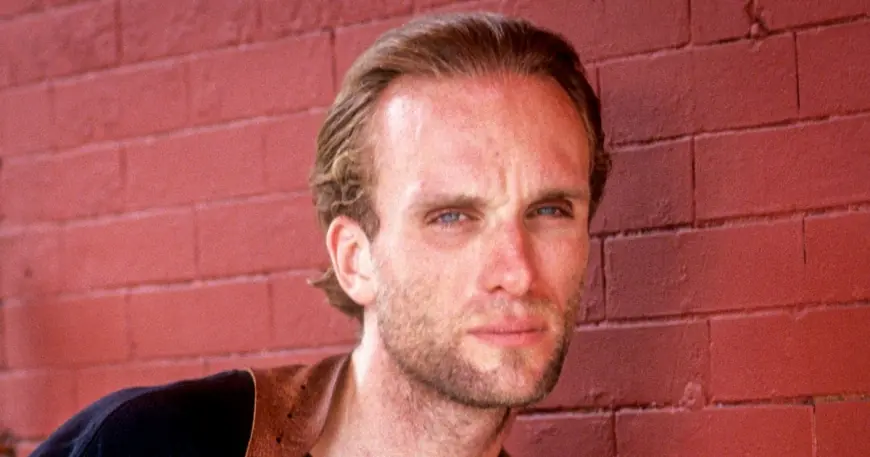
The New York City medical examiner has concluded that actor peter greene died from an accidental gunshot wound that damaged the brachial artery. Greene, known for his intense turns as cinematic villains, was found dead in his Lower East Side apartment on Dec. 12 (ET) at age 60; the medical determination was released Wednesday (ET).
What the medical examiner's report says
The examiner's finding listed the cause of death as "Gunshot wound of left axilla with injury of brachial artery" and classified the death as an accident. The left axilla refers to the armpit area; injury to the brachial artery can cause rapid and severe blood loss. The office issued the determination roughly two months after Greene was discovered in his apartment.
Career highlights and the roles that defined him
Greene built a career as a striking character actor who often inhabited menacing or unstable figures on screen. He achieved widespread recognition for his portrayal of the sadistic security guard Zed in a landmark 1994 crime drama, a performance that has remained one of his most indelible. That same year he played Dorian, a violent antagonist opposite a major comedic star in a hit studio film that blended comedy with comic-book chaos.
Earlier in his career he drew critical notice in gritty independent work, including a leading turn as a man struggling with schizophrenia in a 1993 psychological drama that showcased his willingness to tackle difficult material and extreme character work. He also appeared in notable supporting parts in ensemble and crime thrillers through the 1990s and 2000s, leaving memorable impressions in films that continue to circulate among cinephiles.
Unfinished work and reactions
At the time of his death Greene was engaged on multiple projects, including a documentary that examined a recent federal withdrawal of funding from an international development agency. News of the examiner's ruling arrives as colleagues, fans and collaborators recall his volatile screen presence and the unpredictability he brought to villainous parts—qualities that made him a frequently cast character actor across independent and mainstream films.
Actors and filmmakers who worked with him often noted his intensity and commitment to roles that pushed boundaries. In online conversations and statements shared after his death, many pointed to the raw energy he brought to small but pivotal parts that could transform an entire scene. For viewers, Greene's effectiveness often lay in the ease with which he could slip into cruelty or menace without ever feeling cartoonish.
Legacy and ongoing interest
Greene's death will prompt renewed attention to the films that defined his career, from low-budget breakthroughs to high-profile studio pictures. As the medical examiner's office closed the cause-of-death question with an accidental classification, film communities have begun organizing tributes and retrospectives that highlight both his career highs and the risks he took in taking unsettling roles.
Authorities have not released additional details about the circumstances surrounding the shooting beyond the medical finding. For now, Greene is being remembered for the volatile, unforgettable characters he gave to American cinema and for a body of work that continues to be revisited by a devoted audience.