
























Fire Horse arrives: what the chinese zodiac signals for the year ahead

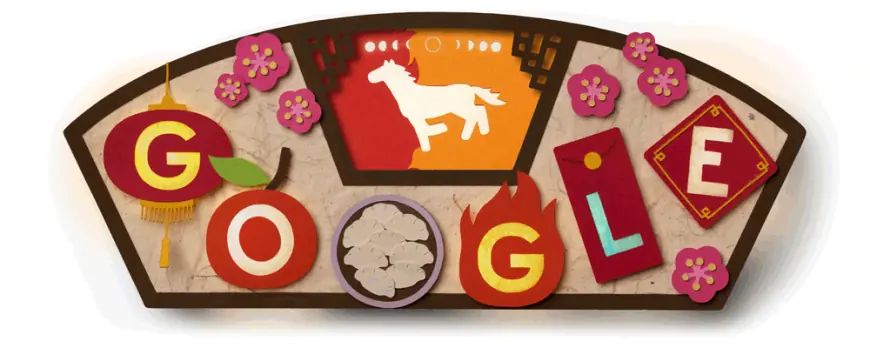
On Feb. 17, 2026 (ET) the Lunar New Year began, ushering in a rare Year of the Fire Horse — a pairing that appears only once every 60 years. Communities around the world have marked the start of the calendar with traditional festivities while scholars and practitioners caution that the fire horse’s reputation for intensity and rapid change calls for careful navigation in both private and public life.
What the Year of the Fire Horse means
The chinese zodiac combines a 12-animal cycle with five rotating elements to form a 60-year pattern. The horse is associated with energy, independence and restlessness; the fire element intensifies those traits, producing a year often described as fast-moving and high-energy. Observers point out that the last fire horse year was 1966, a period that coincided with major political upheaval, a reminder that the element can amplify both dynamism and instability.
Practitioners of traditional metaphysics emphasize that the fire horse does not dictate inevitable outcomes. Holistic astrologers and feng shui consultants urge people to channel heightened drive constructively. One astrologer notes that the elemental framework includes yin and yang forms that shape how energy expresses itself, while a feng shui expert highlights traits such as eloquence, impatience and heroic determination common to people born in horse years.
Commentators advise that the Fire Horse’s momentum can bring opportunity for leaders and innovators but also risks if decisions are rushed. Experts suggest slowing down before major moves, focusing on steady planning, and directing passion so it becomes sustained progress rather than self-consuming force.
Celebrations and cultural rhythms this lunar new year
Communities celebrated the new year with family reunions, traditional meals, red decorations, fireworks and performances that blend centuries-old ritual with modern expression. The season remains a time for renewal: offering respect to ancestors, exchanging good wishes, and sharing symbolic foods that promise luck and prosperity.
The public mood this year is layered. For many, festivities provide comfort and continuity — a reminder of ritual during moments of rapid social or economic change. At the same time, cultural commentators note a more reflective tone among some families and community leaders who see the fire horse’s intensity as a call to cultivate restraint, emotional steadiness and practical planning.
Where the momentum may be felt most
Analysts flag several sectors that could feel the fire horse’s fast pace: technology, finance, transportation, energy and entertainment. The combination of movement and heat in the elemental symbolism maps onto industries driven by rapid adoption, volatility or transformation. Forecasts emphasize that accelerated growth can be productive when paired with governance and risk management, but potentially destabilizing when it outpaces institutional safeguards.
Historical patterns do not guarantee specific outcomes, yet they provide a lens for interpreting collective behavior. Some academics point to the need for measured leadership and social policies that can absorb shocks. Consultants working in business and personal planning recommend that organizations use the year’s energy for decisive but considered action — prioritizing clear strategy, redundancy, and attention to long-term resilience.
As communities around the world continue to mark the new year, the fire horse offers both a symbolic challenge and an invitation: harness intensity through discipline, translate passion into sustainable work, and treat rapid change as an opportunity for thoughtful adaptation rather than a reason for reckless haste.