






















ramadan mubarak — Saudi Arabia Confirms Ramadan 2026 Start as Communities Prepare

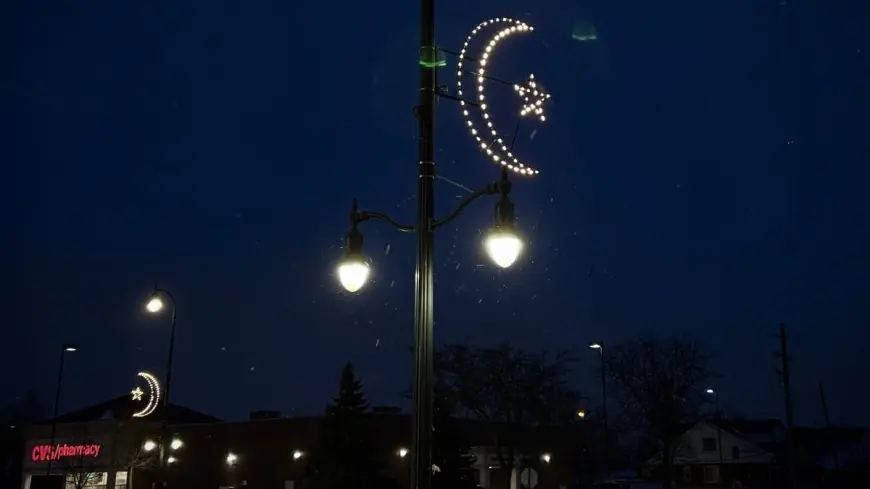
Moon spotters in Saudi Arabia verified the waxing crescent on Tuesday, February 17, 2026 (ET), confirming that the holy month of Ramadan will begin at sundown. With nearly 2 billion Muslims worldwide observing the month, communities are preparing for daily fasts, extra prayers and the social customs that mark this annual period of reflection and charity.
How the start date was set and local variations
The Islamic calendar is lunar, so the start of each month is tied to a visible crescent. Trained observers in Saudi Arabia confirmed the sighting on the evening of February 17, 2026 (ET), meaning Ramadan begins that night for communities that follow that announcement. Other regions rely on local moon sightings and community leaders; for example, some areas in South Asia observed the crescent locally and will begin fasting on Thursday, February 19, 2026 (ET). The sighting-based system means the exact day can vary by country, community and local religious authorities.
Because the lunar year is about 11 days shorter than the solar year, Ramadan shifts earlier on the Gregorian calendar each year. This movement affects how families, workplaces and schools plan around the month, from scheduling communal iftars to adjusting work hours in countries with sizable Muslim populations.
What Muslims will observe during Ramadan
Ramadan is the ninth month of the Islamic lunar calendar and commemorates the revelation of the Quran. Observant adults abstain from food, drink and other physical needs from dawn until sunset, beginning each day with a pre-dawn meal called suhoor and breaking the fast at sunset with iftar. Fasting is meant to encourage spiritual reflection, self-discipline and empathy for those in need, and it is paired with increased charitable giving, prayer and Quranic recitation.
The daytime fast is not the only hallmark of the month: after the five daily prayers, many communities gather for an extended nightly prayer known as Taraweeh, during which portions of the Quran are recited. Those who are ill, pregnant, nursing, traveling, elderly or otherwise unable to fast are exempt and often make up missed days later or provide charity in lieu of fasting when necessary.
Beyond the rituals, Ramadan is a time for communal life. Families and friends often share iftar meals, and people exchange greetings of goodwill — many will say "Ramadan Mubarak" to wish each other a blessed month. Non-Muslims are frequently invited to join meals and public events, and many faith communities use the month as an opportunity to welcome neighbors and explain traditions.
Looking ahead: Eid preparations and calendar expectations
The end of Ramadan is marked by Eid al-Fitr, a one-day celebration that begins with a communal prayer and is followed by visits, special meals and gifts. Communities will again look for the crescent moon near the end of the fasting month to determine the exact day of Eid; many anticipate the festival to fall around the night of March 18, 2026 (ET), with morning prayers and celebrations the following day in places that confirm that timing.
Religious leaders and community organizers are preparing logistics for worship space, charitable outreach and public events. For workplaces and schools, advance planning can help accommodate altered schedules, holiday observances and the needs of fasting employees and students.
As the month begins, Muslims and their neighbors will exchange greetings and goodwill. Saying "ramadan mubarak" or offering a simple expression of respect can help foster understanding and community connection during this significant period.