




















isabeau levito and U.S. Hopes Hang in the Balance as Olympic Women's Free Skate Looms

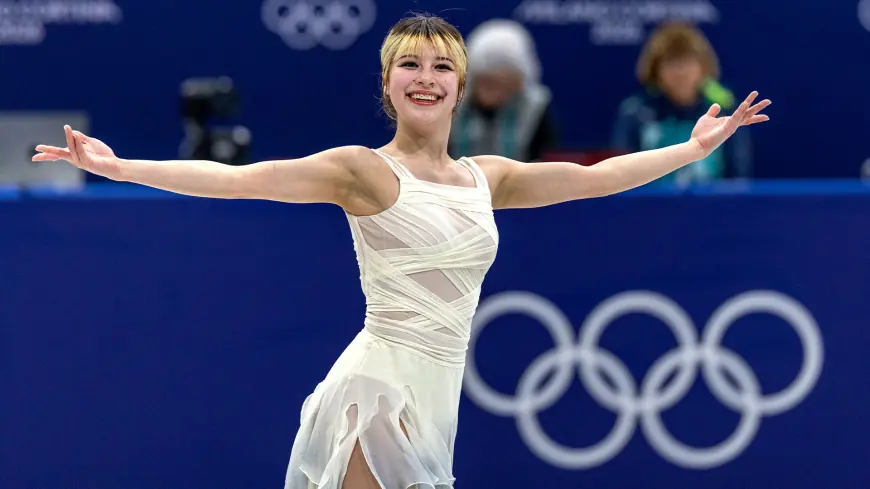
The women's singles competition at the Winter Games moves into its decisive phase Thursday (ET), with the free skate set to determine final medals after Tuesday's short program shuffled the standings. Japan's rising star and a decorated veteran occupy the top two spots, while the U. S. contingent — led on the scoreboard by Alysa Liu in third — arrives at the free skate with hope, questions and the knowledge that everything can change in one performance. Among the American names that will draw attention from fans and commentators is isabeau levito, whose presence underscores the depth and uncertainty of this event.
U. S. picture after the short program: promise and pressure
The short program left the podium picture tantalizingly open. A Japanese breakout skater produced a high-scoring short that included a triple Axel and a strong combination, while a veteran three-time world champion delivered an emotional outing that reflected her likely final competitive season. The American charge is represented in the top three by Alysa Liu, whose polished short program kept her in medal contention heading into the free skate.
For the U. S. team, the short program was a mixed bag. A prominent American who had electrified with a triple Axel earlier in the segment ultimately saw a jump error invalidate a planned element, knocking her down the standing and highlighting how small mistakes can have large consequences under short program rules. That moment served as a reminder that the free skate — with more time and more elements — offers the clearest path back to the podium.
Why the free skate can remake the podium
The free skate typically provides room for a dramatic reshuffle. Skaters positioned outside the top places after the short program can vault upward by executing technically ambitious content — including multiple quadruple jumps — and delivering under pressure. One competitor sitting in the middle of the pack has been linked to plans for risky quads in the free program; if those elements land cleanly, gold becomes a real possibility. But that same competitor has shown inconsistency with those jumps during the season and in practice, which keeps the contest open.
Several athletes in the top six have both the technical tools and the performance experience to challenge for medals. The free skate rewards stamina, composure and repeatability under the brightest lights. For Americans, that means translating national and international success into a clean, high-scoring long program. For those who stumbled in the short, it means mounting a comeback; for those who sit near the top, it means protecting a lead against an aggressive field.
What to watch for isabeau levito and the U. S. challenge
While the short program names dominating headlines included skaters from Japan and the U. S., isabeau levito remains one of the U. S. athletes whose trajectory and performance in the free skate will attract attention. Whether through technical ambition, consistency on jumping passes, or the emotional weight of an Olympic long program, Levito and her teammates have pathways to impact the final results.
Key facets to monitor in the free skate: jump content and execution (particularly Axels and quads), component scores tied to performance quality, and how skaters handle the pressure of Olympic adjudication. The Americans' margin for error will be shaped by how cleanly they can link technical difficulty with presentation. For skaters who underperformed in the short, the free skate is often where careers at a given Games are defined.
With the free skate slated for Thursday (ET), the closing chapter of Olympic women's figure skating promises tension, potential surprises and a final ranking that could look very different from Tuesday's snapshot. For U. S. fans, hope remains alive — and isabeau levito is among the names likely to be mentioned as the long program unfolds and medals are decided.