





















Prince Andrew Arrested: What We Know About Andrew Mountbatten-Windsor, the Epstein-Era Allegations, and What Comes Next

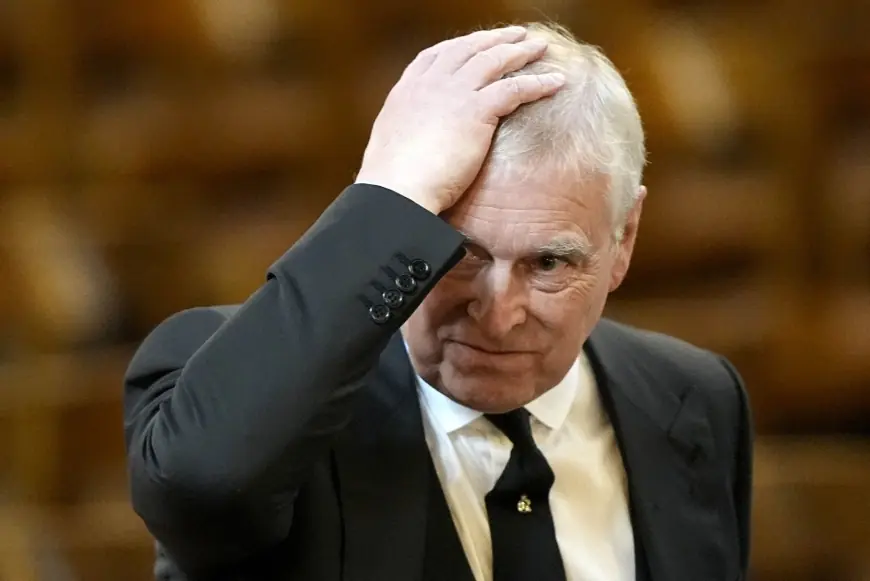
Prince Andrew, now widely referred to by the name Andrew Mountbatten-Windsor after losing the public use of key royal titles, was arrested Thursday, February 19, 2026, in connection with a UK police investigation into suspected misconduct in public office. The development lands as a major escalation in a long-running scandal that has shadowed the monarchy for years, and it immediately raises questions the public has been asking in blunt terms: was Prince Andrew arrested, why was Prince Andrew arrested, and what happens next.
Authorities said the arrest is part of an ongoing inquiry and that the case remains active. No conviction has been announced, and the allegation remains unproven at this stage.
Was Prince Andrew arrested, and what does “arrested” mean here?
Yes. Police arrested Andrew Mountbatten-Windsor on suspicion of misconduct in public office on Thursday, February 19, 2026, during the day in the United States Eastern Time zone. An arrest in the UK typically means investigators believe there are reasonable grounds to suspect an offense and want to question the individual under caution, gather evidence, and assess whether further action is warranted.
At this point, “arrest” is not the same as “guilty.” The legally meaningful next steps are whether he is released without charge, released while the investigation continues, released on bail conditions, or formally charged.
Why was Prince Andrew arrested?
Investigators are examining allegations that, during his time in an official public role, Andrew improperly handled or shared sensitive information. The suspected offense being discussed publicly is misconduct in public office, a serious allegation focused on the abuse of a public position.
That focus matters because it frames this as more than reputational damage or private wrongdoing. It puts the spotlight on whether the state’s authority, access, or information was misused. Police activity connected to the arrest also included searches tied to the investigation, signaling a case built around documents, communications, and corroborating records rather than rumor alone.
Where Virginia Giuffre fits into the Prince Andrew news cycle
Virginia Giuffre, also known as Virginia Roberts Giuffre, has been central to public attention on Prince Andrew for years due to accusations that she was trafficked and exploited as a teenager and that Andrew abused her. Andrew has denied her allegations, and a civil case in the United States ended in a settlement years ago without a trial verdict.
The key point for today’s developments is that the reported grounds for the arrest are not being presented as a direct replay of that civil dispute. Instead, the arrest is tied to questions about conduct connected to public office and the handling of official information and access. Even so, the Giuffre allegations remain part of the broader context: they shaped public scrutiny, prompted prior withdrawals from public duties, and intensified pressure on institutions around him.
King Charles, the monarchy, and the incentives behind today’s escalation
King Charles now faces a crisis-management dilemma with no painless option.
Context: Andrew’s reputation has been a persistent liability, and the institution has already taken steps to distance itself, including limiting roles and, in recent months, narrowing the public use of certain titles and honors associated with him. That distancing reduces institutional exposure, but it also amplifies the message that Andrew stands apart from the working monarchy.
Incentives: Law enforcement has strong incentives to demonstrate equal treatment under the law in a case that has long attracted public anger. The monarchy has incentives to cooperate without appearing to influence outcomes, and to keep the matter from becoming a referendum on the institution’s legitimacy.
Stakeholders: Beyond Andrew and the royal household, the stakeholders include alleged survivors and their advocates, political figures who want accountability or reform, police and prosecutors whose credibility will be judged on rigor and restraint, and the broader public that has watched this saga unfold for years.
What we still don’t know
Several missing pieces will determine how this story evolves:
-
Whether prosecutors believe the evidence is strong enough to charge Andrew, and if so, on what specific counts
-
What materials were seized or reviewed during searches connected to the investigation
-
Whether the inquiry expands to other individuals or institutions who may have facilitated access, introductions, or information-sharing
-
The timeline for a charging decision, which can stretch as investigators analyze devices, records, and witness testimony
-
What restrictions, if any, were placed on Andrew after arrest, such as travel limits or reporting conditions
What happens next: realistic scenarios and triggers
Here are the most plausible near-term paths, with the triggers that would move each forward:
-
No charge, investigation continues
Trigger: investigators want more time for digital and document review without meeting the threshold for charge. -
Formal charge for misconduct in public office
Trigger: prosecutors conclude there is a clear evidentiary chain showing misuse of an official role. -
Additional allegations folded into a broader case file
Trigger: new witnesses, documents, or communications suggest a wider pattern of conduct. -
Legal limbo paired with intensified institutional distancing
Trigger: prolonged investigation creates reputational risk, prompting further separation from official royal structures. -
Court proceedings that force disclosure of records and timelines
Trigger: a charge leads to hearings where contested facts begin to emerge in a structured, testable way.
Why it matters beyond the headline
This isn’t only a celebrity scandal. It tests whether elite status alters accountability, how institutions manage reputational contagion, and how long-running allegations evolve when fresh investigative angles emerge. For many people, the practical impact is trust: trust in policing, trust in prosecutorial independence, and trust that public power is not insulated from consequences.
For now, the cleanest takeaway is also the simplest: Prince Andrew has been arrested, the reasons being pursued publicly center on suspected misconduct tied to public office, and the next decisive moment will be whether police and prosecutors move from suspicion to formal charges.