


















Medical Examiner Rules Death of peter greene an Accidental Gunshot

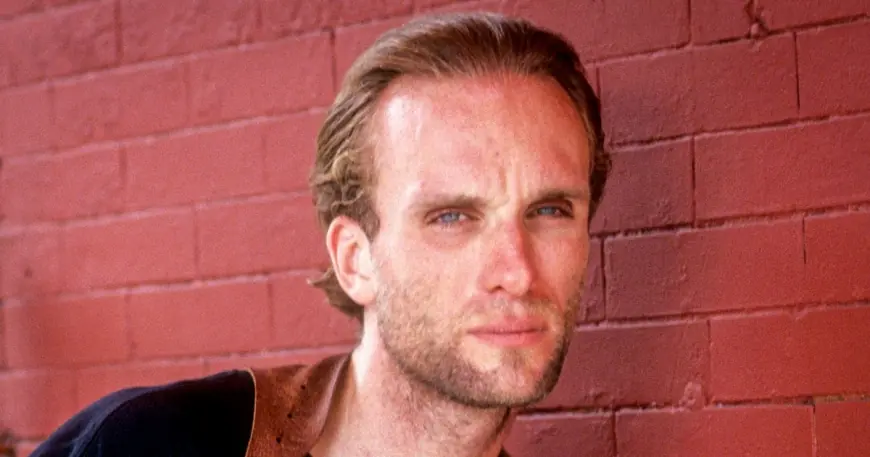
The New York City medical examiner has determined that actor Peter Greene died from an accidental gunshot wound to the left armpit that injured the brachial artery. Greene, 60, was found dead in his Lower East Side apartment on Dec. 12. The finding, released roughly two months after his death, classifies the fatal wound as unintentional; the examiner's office offered no additional details.
What the medical examiner found
The medical examiner's formal determination lists the cause of death as a gunshot wound of the left axilla with injury of the brachial artery. That artery supplies blood to the arm, and damage to it can lead to rapid blood loss. The ruling sets the manner of death as accidental, closing a key question about how the wound occurred.
Greene's body was discovered on Dec. 12 in his apartment on the Lower East Side of Manhattan. The office that reviewed the case released its findings roughly two months after that date. Beyond the official cause and manner, investigators did not release further particulars about the circumstances surrounding the shooting.
A career built on memorable villains
Peter Greene made a career out of playing intense, unsettling characters that stuck with audiences long after the credits rolled. He earned wide recognition for his role as the brutal security guard Zed in a landmark 1994 film that remains a defining work of the director who cast him. That same year he played Dorian, an antagonistic figure opposite Jim Carrey in a major studio comedy, and he had earlier leading turns in gritty independent dramas such as a 1993 film in which he portrayed a man with schizophrenia.
Beyond those standout parts, Greene took memorable supporting roles in crime dramas and thrillers, appearing in such titles as a twist-driven ensemble crime film and a gritty urban police drama. His profile in the early 1990s included both independent fare and mainstream hits, a range that brought him a reputation as a reliable character actor capable of unsettling power on screen.
At the time of his death, Greene was reported to be working on two projects, one of which was a documentary related to federal funding decisions affecting international aid. Those projects were cited by people close to his work as part of a late-career effort to expand into nonfiction-driven storytelling.
Legacy and industry reaction
Greene's passing prompted responses from colleagues and fans who remembered his ability to inhabit dark, complex roles. Critics and viewers alike often singled out his intensity and willingness to take on characters that most actors would avoid, qualities that helped cement his place in the landscape of 1990s cinema and beyond.
While the medical examiner's ruling resolves the immediate question of how Greene died, it also closes a chapter on a performer whose screen work continues to be revisited by new audiences. For many, his portrayals remain indelible—brief but potent performances that contributed to some of the period's most discussed films. As friends and collaborators reflect on his career, attention now shifts to the projects he left unfinished and the roles that made his name synonymous with memorable on-screen menace.