


















Readers and Critics Clash Over Emerald Fennell’s wuthering heights book Adaptation

Emerald Fennell’s new screen version of Emily Brontë’s novel has polarized audiences: some praise its lavish visuals and musical choices, while others say key emotional and thematic elements of the source are diminished or altered. The adaptation has also reignited debate over Heathcliff’s racial identity and casting choices, and prompted a fresh wave of readers to pick up the 19th-century text.
Readers split on style, sex and character changes
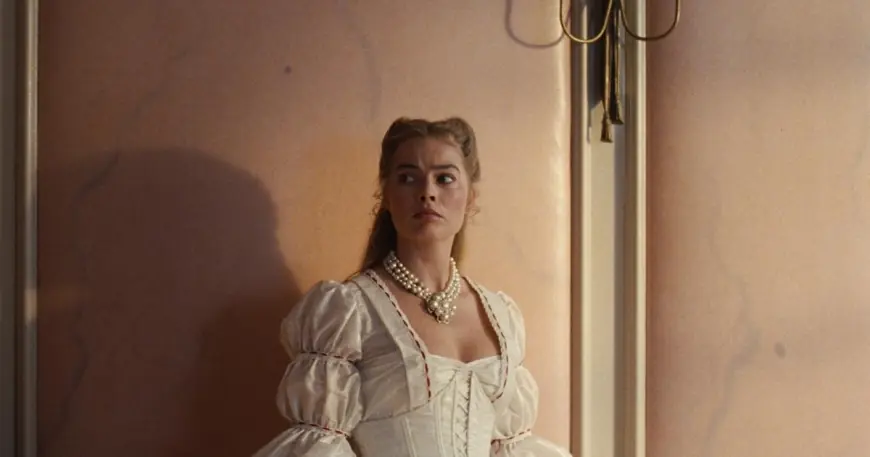
Groups of viewers who saw the film on release night describe an experience heavy on spectacle and mood. Many found the film’s colour-saturated sets, elaborate costumes and pop-inflected soundtrack to be electrifying, noting how those elements amplified the moorland atmosphere and the novel’s baroque impulses. One teacher who watched the film with colleagues called the visuals "delightfully shocking, " praising the contrast between opulent dress and bleak landscape and singling out the contemporary music choices as evocative.
But enthusiasm is tempered by criticism that the adaptation prioritises surface sensation over the book’s psychological complexity. Several viewers felt that the sexual scenes and heightened physicality bordered on the performative rather than deepening the characters’ emotional bonds; what was intended as longing felt at times reduced to spectacle. The film’s narrator — Nelly in the novel — is reimagined with more overt malice, a shift that frustrated readers who value her unreliability and moral ambiguity. Fans of the book also lamented the downplaying of the novel’s supernatural undertones and some of its darker impulses; one suggested that the film could have leaned into more shocking, gothic moments rather than smoothing them out.
Casting controversy and questions about Heathcliff’s identity
The casting of a white actor as Heathcliff has reopened long-standing debates about how the character’s race is meant to be read. The novel contains several descriptions — phrases like "dark-skinned" and references to gipsy or Lascar origins — that have historically encouraged readings of Heathcliff as an outsider of ambiguous, non-Anglo identity. Literary scholars have variously connected those details to anxieties about empire, the Liverpool trade, and anti-Irish sentiment, arguing the character embodies different forms of otherness.
Onscreen, Heathcliff has frequently been portrayed by white actors in past adaptations, and that history factors into current objections. Critics of the casting frame the choice as a missed opportunity to engage explicitly with the novel’s racial and class tensions; defenders argue the text leaves room for interpretation and the film makes other alterations that complicate a direct mapping from page to screen. Either way, the debate has intensified discussion about historical context and how filmmakers should handle ambiguous literary descriptions when adapting canonical works.
Spectacle over structural fidelity — and a renewed appetite for the novel
Some reviewers note that the director streamlines the novel heavily, excising the complicated second half and many peripheral characters to produce a more focused, sensual portrait of obsession. That compression heightens certain scenes but sacrifices the original’s layered narrative architecture: the multi-voiced storytelling and the slow accrual of generational consequence are largely absent. The film foregrounds atmosphere and staging — from a recurring doll motif to tight, fashion-forward costuming and sweeping cinematography — which creates a memorable visual identity even as it narrows plot and psychological depth.
Despite the complaints, the film seems to have revived interest in the original text. Secondhand bookshops reported brisk sales of the novel in the run-up to screenings, and book clubs have seen increased attendance for their Brontë discussions. For many viewers the film serves as an entry point: some who previously found the prose forbidding say they are tempted to read the novel again, hoping to recover the parts that the adaptation trims or transforms. Whether celebrated or censured, the adaptation has succeeded in sparking fresh conversation about how a 19th-century gothic romance should be seen and who gets to play its central, ambiguous outsider.