






















Mouse on Board Forces U-Turn as stockholm flights Face Major Delay

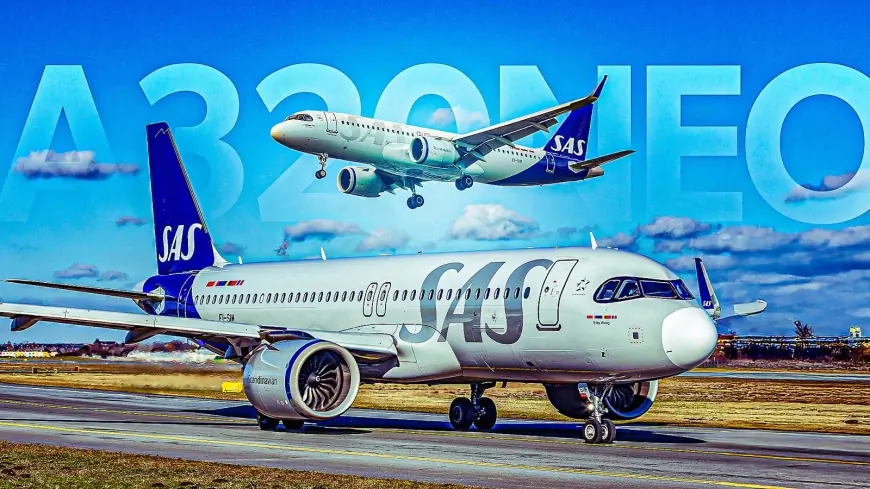
On Feb. 7 (ET) an international service from Stockholm to Málaga was forced to return to its origin after a rodent was spotted in the cabin, leaving hundreds of passengers delayed and prompting safety inspections. The Airbus A320neo, operating as Flight 1583, made a mid-air U-turn while cruising and landed back at Stockholm Arlanda nearly three and a half hours after departure.
What happened in the air
Flight 1583 departed Stockholm Arlanda for Málaga on Feb. 7 (ET). Around two hours into the flight, while the aircraft was over continental Europe, passengers reported seeing a small rodent moving through the cabin. The flight crew decided to reverse course and return to Stockholm as a precaution.
The jet landed back at Arlanda after an airborne time that stretched close to four hours from takeoff to touchdown. Crews removed the aircraft from service for thorough inspections of the cabin, wiring and other systems, and passengers were re-accommodated on a different aircraft that continued to Málaga later that day. The replacement service reached the Costa del Sol several hours later than planned.
Safety rationale and operational response
Rodents are not merely an annoyance aboard aircraft; they pose a safety risk. They can gnaw through electrical wiring and insulation in hard-to-reach areas, potentially creating electrical faults or fire hazards. Because of those risks, the decision to return the aircraft prioritized safety over schedule.
The carrier followed established procedures: once the sighting was reported, the crew coordinated a return to the airline’s main maintenance base so engineers could inspect the airframe and connected systems. Technicians conducted standard checks and addressed any potential contamination. Passengers were moved to an alternative aircraft and flown to their destination after those checks were completed.
Broader context and repercussions
While uncommon, this is not an isolated type of disruption. The airline experienced a similar diversion in late 2024 when a rodent was discovered mid-flight on a different service. Aviation officials and carriers treat these incidents seriously because the cost of an unscheduled diversion and the potential safety implications can be substantial.
Beyond the immediate operational hit—delayed arrivals, additional crew and aircraft needs, and extra ground handling—such events often trigger reviews of ground-supply and catering procedures, airport pest control measures, and cargo-handling practices. The airline indicated that inspections were carried out and that the aircraft returned to commercial service the following day, suggesting no significant mechanical damage was found.
For passengers, the episode was an unwelcome disruption to travel plans and a reminder of the many rare but impactful issues that can affect modern aviation. For operators, it reinforces the need for robust maintenance, pest-control and supplier oversight to reduce the odds of repeat incidents.
The airline has not reported injuries and all passengers were accommodated on later services. Investigations and routine follow-up checks remain standard after such an event to ensure safety standards are met before the aircraft resumes normal operations.