



















Lively v. Baldoni on Trial: What Counts as Harassment on a ‘Steamy’ Movie Set

Federal litigation over a contentious movie set has moved beyond headlines and into a courtroom test of where creative improvisation ends and unlawful harassment begins. At stake are videos of a slow-dance take, claims of unscripted advances, and broader questions about how intimacy is handled on modern film productions.
The footage at center stage
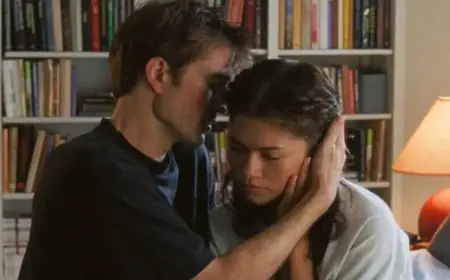
Central to the case is roughly ten minutes of on-set video showing the director leaning close to the film’s lead actress during a crowded bar scene. For the plaintiff, the encounter reads as an unwelcome, unscripted advance that fits within a pattern of troubling behavior. For the director and his defenders, the same sequence is evidence of normal directorial interaction and an attempt to capture authentic chemistry as the story’s romantic relationship develops.
The contrast in those readings has turned the clip into a legal fulcrum. Lawyers for the actress argue that consent and prior clearance for intimate contact are decisive. Defense attorneys counter that isolated moments of physicality—especially in a film about a sexual relationship—can be legitimate elements of the creative process. A federal judge in Manhattan has signaled he will scrutinize how those two impulses balance under existing harassment law.
Legal lines and set protocols
The courtroom debate has probed whether a director may improvise intimate gestures in the moment, and whether that latitude is constrained by modern safeguards. A key exchange at a January hearing framed the issue: the judge asked whether a director has the ability to deviate from script in such settings, to which one lawyer for the actress stressed that improvisation must be premised on consent.
Industry measures developed in the last decade now routinely include intimacy coordinators and written nudity riders that define the scope of physical contact and the level of exposure performers will accept. In this case the actress had negotiated a rider that limited how much skin she would show and required written approval for changes to intimate scenes. Her legal team has argued those protections were not respected.
But the complaint stretches beyond the choreography of close contact. It alleges that when the actress raised concerns, a campaign of retaliation followed—efforts aimed at discrediting her allegations through amplified social narrative and media exposure. The defendants have pushed back, saying the conduct cited is far from the threshold of actionable harassment.
Precedent, culture and what a ruling could mean
The dispute revives long-simmering tensions between creative freedom and workplace protections. A major legal precedent from two decades ago upheld broad leeway for writers and creators, finding that offensive or sexually explicit talk in a creative workplace could be protected as part of the job. That ruling helped cement a viewpoint that some provocative conduct is intrinsic to making certain kinds of entertainment.
Yet cultural shifts since then—most prominently a heightened focus on consent and the adoption of more formal intimacy protocols—have changed industry practices and expectations. Courts now must map older legal standards onto an environment where producers routinely promise explicit safeguards. How the judge resolves the divide in this case could send a clear signal to filmmakers about the limits of improvisation and the enforceability of on-set agreements.
Whatever the outcome, the case underscores a practical truth for productions: clear pre-shoot agreements, documented consent processes and visible use of trained intimacy professionals reduce ambiguity. For performers and directors alike, the litigation signals that behavior once tolerated as part of the creative process will face closer scrutiny when it crosses into the workplace and into federal court.