

















New adaptation reignites debate around the wuthering heights book — sex, race and spectacle

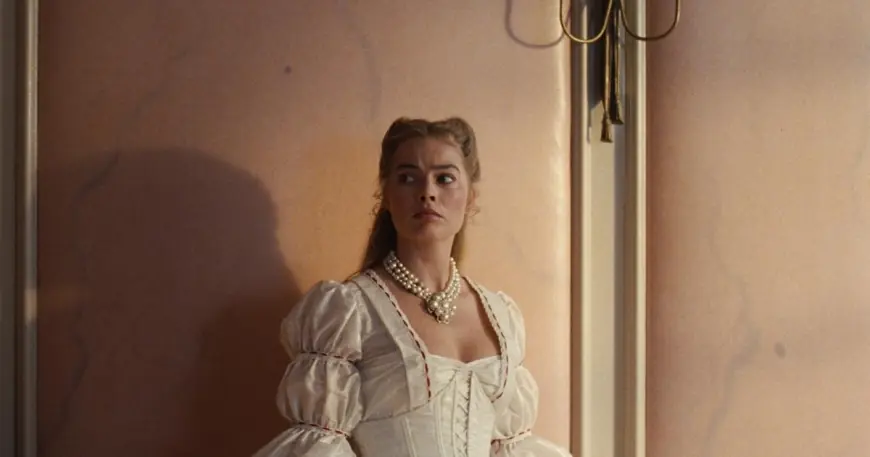
(Feb. 19, 2026, ET) Emerald Fennell’s high-profile screen version of Emily Brontë’s novel, starring Margot Robbie and Jacob Elordi, has provoked heated discussion among readers, teachers and critics. Responses cluster around three fault lines: the film’s theatrical visual design, its handling of sex and narrators, and the controversy over Heathcliff’s racial identity.
Readers split on style, sex and fidelity to the novel
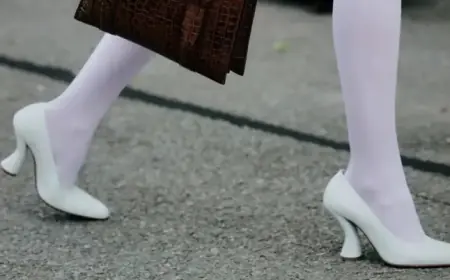
Groups of readers who rushed to see the film or picked up the novel in the wake of the release describe a mixed reaction. Many praise the visual daring: opulent, doll-like costumes set against sodden moorland and a cinematic palette that trades bleakness for baroque excess. The pop-inflected soundtrack was singled out by some viewers as a surprisingly effective way to evoke the book’s wild landscape and emotional charge.
That visual ambition, however, is precisely what alienates other viewers. Several readers felt the costumes and set dressing undermined the raw, elemental quality that defines the original story; what should be bleak and intimate instead reads as a 21st-century spectacle. Sex scenes, similarly, divide opinion. Some found them entertaining and provocative, arguing Brontë might have written franker passages had she worked in a different era. Others said the scenes reduce the novel’s longing and obsession to something juvenile and performative, noting that sexual acts are often framed as curious or grotesque rather than integral to character-driven motivation.
A recurring complaint is the treatment of the novel’s narrator. The book’s reliance on an unreliable narrator is central to how readers experience events and characters; in the film that ambiguity is flattened. Several viewers lamented the transformation of the housekeeper figure into a more overtly conniving presence, a change that shifts the moral coordinates and lessens the novel’s layered ambiguities. Still, many viewers say the film compelled them to return to the book, and that public interest meant bookstores and clubs saw renewed attention to the classic.
Casting choice fuels a fresh debate about Heathcliff’s racial identity
The casting of the lead role has become one of the loudest controversies surrounding the adaptation. The novel’s descriptions of Heathcliff as "dark" and other ambiguous references have long invited debate about whether Brontë intended him to be a person of color, mixed-race, or an outsider coded in multiple ways. That ambiguity allowed generations of readers and scholars to read race, class and otherness into the character, and the decision to cast a white actor has revived critique that the role has been whitewashed on screen.
Scholars and commentators have offered a range of interpretive frames: some read Heathcliff’s origins and descriptors as commentary on the slave trade and Liverpool’s maritime connections; others point to anti-Irish sentiment and the ways 19th-century Britain coded difference. Onscreen history shows the part has often been played by white actors, and that casting practice now collides with an era that scrutinizes representational authenticity more closely. For many viewers the debate is not simply about one actor but about what is lost when a text’s othered elements are erased or made invisible.
Critics note bold reworkings — and what the film leaves behind
Critical responses emphasize how decisively the director reshaped the novel: key sections and many characters from the second half of the book are excised, and several characters are conflated to streamline the narrative. Those choices make for a more concentrated, sensorial film but also remove the novel’s structural complexity, its shifting perspectives and the social tensions that give the story bite. Some reviewers praised the daring choices and production craft; others argue the film loses the novel’s moral and emotional subtleties by privileging style over the layered darkness at the heart of Brontë’s writing.
What emerges from this burst of reaction is less a consensus than an ongoing conversation. The adaptation has clearly reintroduced the novel to a new audience and spurred debate about how classics should be reimagined today — a debate that touches on aesthetics, fidelity, and who gets to embody characters whose identities were never straightforward.