

















tyra banks faces renewed scrutiny in new documentary and former contestant's explosive post

A three-part documentary has reopened a long-running debate about the conduct and legacy of America’s Next Top Model, with participants describing episodes of body-shaming, humiliating challenges and emotional harm. The series offers extensive interviews with former contestants and several key figures from the show, while a recent public social-media post from a past participant levels blistering personal accusations at tyra banks.
Documentary paints a harsher picture of the show’s methods
The resulting portrait in the documentary is stark: what once felt like appointment TV for many millennials now looks, by modern standards, like a catalogue of damaging production choices. The series presents candid recollections from dozens of former contestants alongside on-camera interviews with the show’s former host and several senior creatives. Viewers are shown how high-concept photoshoots and radical makeovers produced viral moments, but also how those same choices frequently crossed into public shaming.
Former contestants describe being weighed on camera and criticized for their natural bodies, with several saying those interactions left lasting harm. One woman recalled designers and producers positioning her in a safari-themed shoot that singled out and caricatured her body type. Others said producers pushed them into scenarios that ignored personal trauma, including a photoshoot that used a simulated bullet wound concept tied to a contestant whose family had experienced real gun violence. Executives in the series characterise some of those choices as mistakes, and some figures concede the show falls short of contemporary standards, but many of the women in the documentary say their distress was visible at the time and was insufficiently addressed.
Alum’s public rebuke highlights long-running tensions
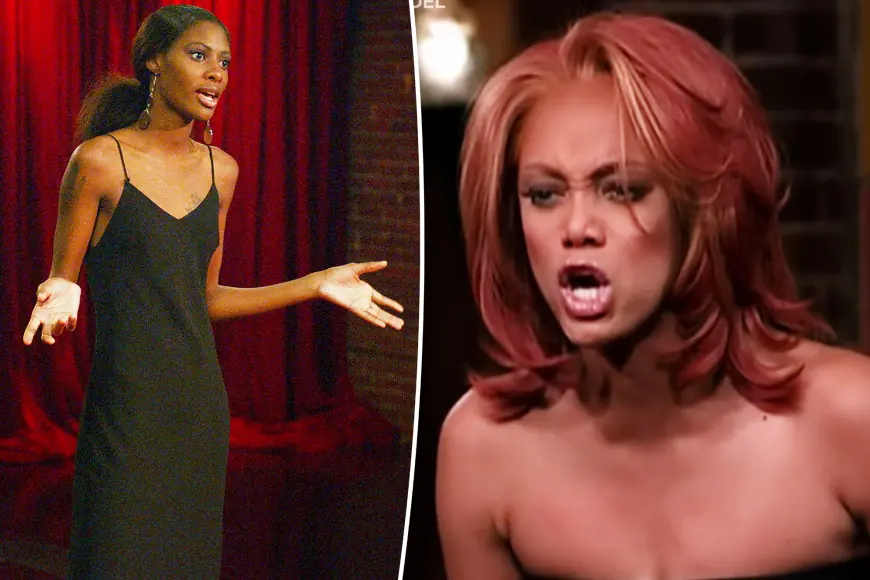
The renewed scrutiny intensified after a former contestant published a forceful social-media statement revisiting a viral on-air confrontation from more than two decades ago. She called out tyra banks directly, labeling the host a bully and insisting the incident was worse off-camera than viewers remembered. The alum also said edits to the broadcast painted a misleading picture of concern and care, and accused other cast and crew of failing to defend her at the time.
In the documentary, the former host reflects on that moment and offers a public admission that she “went too far, ” framing the outburst as an accumulation of personal and cultural pressures. Other show veterans who appear in the series describe the moment as tense and damaging; one creative lead says the episode was among the most difficult experiences he remembers on set. Legal and production figures later intervened, the documentary indicates, and some staff removed the host from the immediate environment after the confrontation.
For many of the contestants who speak on camera, the show was presented as a lifeline out of difficult circumstances. Instead, participants say the environment often amplified vulnerability—pressuring changes to appearance, staging humiliating tasks, and at times minimizing the emotional consequences. A number of former judges and coaches now express regret for how certain storylines were handled, but several of the production team appear less contrite, describing missteps as isolated and defensible in the context of creating dramatic television.
Legacy questions and new calls for accountability
The documentary and the alum’s public rebuke have prompted renewed discussion about responsibility in reality television—how much accountability should sit with on-camera talent, how production decisions affect vulnerable participants, and whether behind-the-scenes culture followed ethical standards. Critics in the series argue that while the show helped diversify certain paths into modeling, it simultaneously reinforced harmful beauty norms and exploited contestants’ backgrounds for dramatic effect.
As the conversation continues, many former contestants call for clearer protections and better support systems for people who hand over private struggles for public entertainment. The series closes with that unresolved tension: a program that changed pop culture still commands attention, but its methods and human cost are being reassessed in ways the original broadcasts never invited.