

















look mum no computer eurovision song: UK taps experimental synth inventor for Vienna 2026

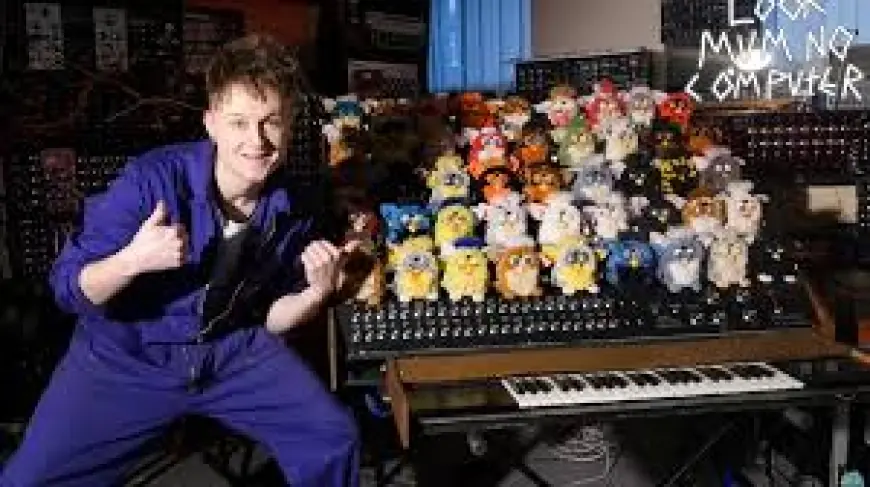
The United Kingdom has chosen electronic artist and tech creator Look Mum No Computer to represent the nation at the Eurovision Song Contest in Vienna in May 2026. The selection signals a clear break from past strategies, as a DIY-focused performer known for custom-built instruments prepares to take the continent’s biggest televised music stage.
From YouTube inventor to national representative
Look Mum No Computer is the performing name of Sam Battle, a musician, songwriter and prolific maker whose online work has attracted more than a million followers across social platforms. Battle first surfaced as frontman of indie band Zibra and later pivoted to a solo career that blends experimental electronics, inventive instrument-building and performance art.
He has built a public profile around unusual creations: organs fashioned from Furby toys, a synthesiser bicycle, Game Boys modified into organs, and a flame-throwing keyboard. One of his headline achievements is a Guinness World Record for constructing the world's largest drone synthesizer, a project that highlights the technical ambition he plans to bring to the Eurovision stage.
“I find it completely bonkers to be jumping on this wonderful and wild journey, ” he said. “I have always been a massive Eurovision fan, and I love the magical joy it brings to millions of people every year, so getting to join that legacy and fly the flag for the UK is an absolute honour that I am taking very seriously. ”
Why the UK picked a boundary-pushing act
The choice was made through an internal selection process involving industry experts, an approach that this year landed on an act with a distinctly experimental profile. A head of entertainment for the broadcaster praised his “bold vision, unique sound and electric performance style, ” saying the pick embodies creativity, ambition and a particular British wit the delegation hopes will stand out in Vienna.
That strategy is part reality and part risk. The UK’s 2025 entry finished 19th, and recent years have seen mixed results when traditional or nostalgic acts were sent. Entering a creator who makes performance instruments from obsolete electronics and runs a museum dedicated to experimental technology looks intended to disrupt expectations — to convert internet coverage, curiosity and live spectacle into points.
Battle runs a museum in Ramsgate described as a home for experimental and obsolete scientific and musical technology. He has documented building and composing processes extensively online, and says the Eurovision project will draw on that hands-on approach: “I will be bringing every ounce of my creativity to my performances, and I can't wait for everyone to hear and see what we've created. I hope Eurovision is ready to get synthesized!”
What to expect in Vienna
Details of the song and staging are being kept under wraps, but sources close to the production indicate the performance will lean into his machine-driven aesthetic rather than conventional pop choreography. With Eurovision line-ups this year featuring a surge in theatrical, offbeat and genre-blurring acts, the UK’s selection feels calibrated to capture attention rather than play it safe.
How audiences and juries will respond remains an open question. Eurovision voting rewards memorability; an act that is visually striking and sonically unusual can perform strongly if the song connects. If nothing else, the entry will accelerate conversations about what the contest has become and how far broadcasters are willing to depart from formulaic entries to chase impact.
In the lead-up to May 2026, fans and critics will watch closely for the reveal of the song and its staging. For now, the UK has chosen a performer who brings a blend of technical curiosity, online reach and live-show spectacle — a distinctly modern gamble on one of Europe’s oldest televised pop stages.