


















Why ‘Love Story’ Is Doing daryl hannah Dirty in Its JFK Jr. Drama

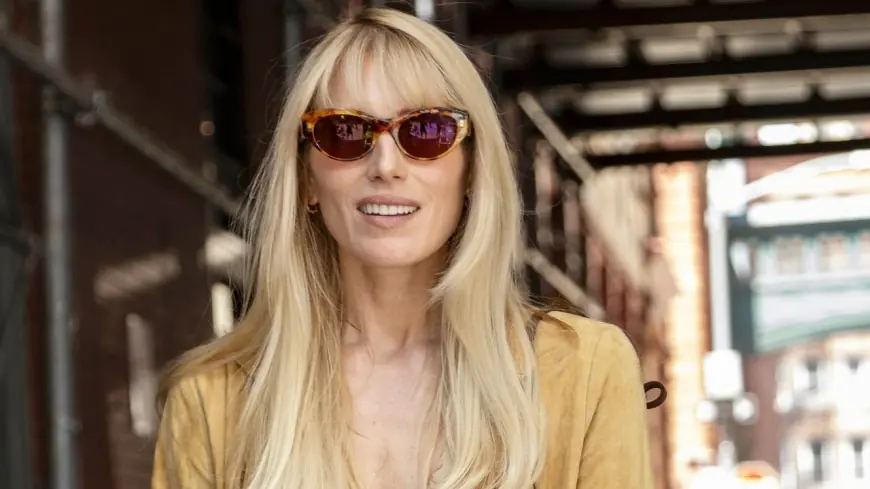
Early episodes of the new streaming dramatization of John F. Kennedy Jr. and Carolyn Bessette have won praise for their leads, but one subplot is drawing heat: the depiction of daryl hannah. Viewers and critics say the series leans into a caricature of Kennedy’s on-again, off-again girlfriend that feels mean-spirited and narratively convenient. The choice raises fresh questions about how real people are dramatized for television.
How the series frames Daryl Hannah
The show positions the character based on Daryl Hannah as an emotional foil to the central romance. On-screen, she’s sketched as prickly, performative, and erratic — at times portrayed as self-centered and consumed by personal drama. Those beats are heightened for dramatic effect: a closed-loop of jealousy, attention-seeking behavior, and scenes that suggest substance misuse. That depiction sits uneasily with viewers who remember Hannah’s professional work and activism, and who feel the series reduces a complex figure to a one-note antagonist.
Context matters. The real-life relationship between Hannah and Kennedy was widely covered in its day and was far from simple: they dated for several years in the early 1990s and were frequent tabloid subjects. It’s also true that Kennedy met Carolyn Bessette while he was still involved with Hannah, which supplies natural narrative tension. Still, critics argue that there’s a difference between dramatizing messy romance and rendering a living person as comic or tragic shorthand for conflict.
The actor’s preparation and the question of responsibility
The performer who takes on the role has described a thoughtful preparation process: studying past interviews, working with a dialect coach, and leaning on the showrunner’s writing to build a truthful portrayal. She has also spoken admiringly of Hannah’s career and public work, suggesting an intent to honor, not mock, the woman behind the public image.
Even so, portrayal is a collaboration between writer, director and actor. A scripted vision that leans into sensational behavior can overwhelm any attempt at nuance. That tension — between an actor’s research and a writer’s appetite for conflict — is central to the debate. Creators often argue that dramatic compression and heightened personalities serve narrative momentum. Critics counter that such choices risk doing real reputational harm when the subject is a still-living public figure who is not part of the creative process.
Public reaction and potential fallout
Reaction has been mixed. Many viewers praise the central performances and the series’ period detail, while others say the treatment of daryl hannah feels gratuitous and outdated. Some commentators have suggested the depiction verges on caricature and could prompt a response from the actress herself, calling attention to broader ethical questions about dramatizing private lives.
Legal experts typically note that portrayals of living individuals can open creators to complaints if the depiction is knowingly false and damaging, though public figures face higher thresholds for such challenges. Beyond legalities, there’s a reputational calculus: alienating parts of an audience by leaning into a mean-spirited vignette can undermine goodwill for a show otherwise praised for its leads and production design.
As the season progresses, the creative team will face choices about whether to deepen or complicate the on-screen portrait. A more rounded depiction could silence critics and offer viewers a richer sense of the people involved; doubling down on a simplistic antagonist risks cementing the impression that dramatic expedience trumped fairness. For now, the debate underscores an enduring tension in historical dramatizations: how to tell a compelling story without flattening the real people who populate it.