




















US Warships and Fighter Jets Signal Rising Tensions with Iran

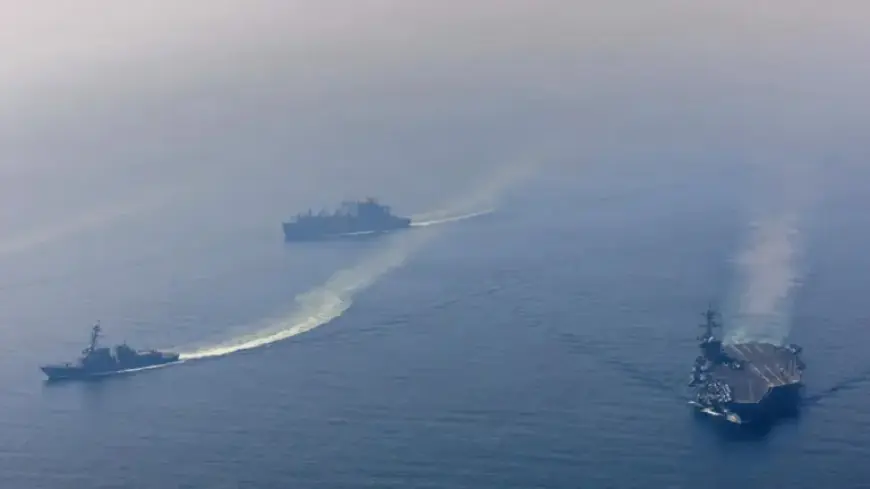
The rising tensions between the United States and Iran are underscored by a significant buildup of US military assets in the Middle East. The deployment includes an array of warships, fighter jets, and refueling aircraft, positioning the US for a possible military campaign against Iran should President Donald Trump authorize action.
US Military Buildup
Recent reports indicate that the US military has established a substantial presence in the Middle East, consisting of 13 warships. This fleet includes:
- One aircraft carrier, the USS Abraham Lincoln
- Nine destroyers
- Three littoral combat ships
Additionally, the USS Gerald R. Ford, the world’s largest aircraft carrier, is en route to the region. It is accompanied by three destroyers, reflecting a rare situation where two aircraft carriers are present in the Middle East simultaneously.
Fighter Jets and Aerial Support
The aerial component of the US military deployment is equally substantial. The forces include:
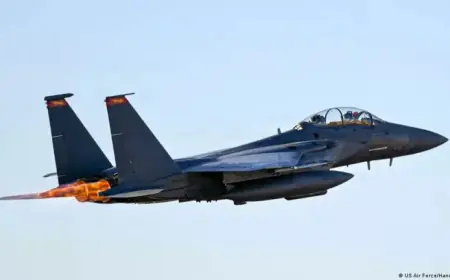
- F-22 Raptor stealth fighter jets
- F-15 and F-16 warplanes
- KC-135 aerial refueling aircraft
These aircraft enhance operational capabilities, enabling sustained missions over the region. Flight tracking services like Flightradar24 have documented the movements of numerous KC-135s and support aircraft operating in the area.
Political Context
The military buildup coincides with significant unrest in Iran, where protests have emerged as a response to economic hardship and governmental repression. The US government has expressed a willingness to intervene militarily if violence against protesters continues.
President Trump has previously issued warnings to Iran, suggesting direct intervention if the protests were met with violence. He recently pulled back from launching strikes after Tehran reportedly reduced its executions, yet tensions remain high.
Diplomatic Efforts
While US and Iranian officials held discussions in Geneva aimed at de-escalating the situation, reports indicate that significant differences remain. White House Press Secretary Karoline Leavitt acknowledged minimal progress but emphasized that the parties are still far apart on key issues. She noted that there are numerous justifications for military action against Iran, and stated that Iran should comprehend the urgency of reaching a settlement.
The current scenario illustrates a precarious balance of power in the Middle East, with the potential for conflict looming as both military and diplomatic efforts unfold.