
















Next-Gen Toyota Supra May Share Platform with Lexus LC as Coupe Lineups Shrink

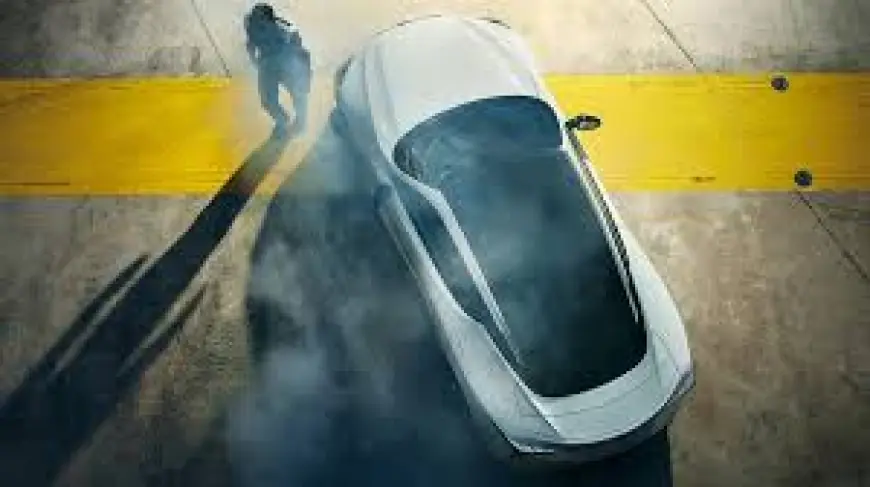
As luxury coupe production retreats, fresh coverage suggests the next-generation toyota supra could be developed on a shared platform with a flagship Lexus coupe. The proposal signals a major shift in how performance grand tourers are engineered, balancing cost efficiency with efforts to preserve driving character.
Why platform sharing is suddenly on the table
Coupe portfolios have been contracting. Several two-door models have already ended production, and one remaining V8 flagship is slated to close out its run after the 2026 model year, with production likely finishing by August 2026 (ET). Against that backdrop, manufacturers are rethinking the economics of low-volume sports and grand tourer models. Sharing a common underlying architecture between the next-generation toyota supra and a Lexus coupe would be a logical cost-control step: it shortens development timelines, spreads engineering investment across more units, and simplifies supplier relationships.
From an engineering perspective, a modular rear- or all-wheel-drive platform that can accept different powertrains and body styles makes sense for both companies. It would allow a performance-focused Toyota to maintain its rear-drive ethos while giving a luxury-oriented Lexus room to tune ride, refinement, and rear-biased performance characteristics to a higher standard.
Design, powertrain and performance implications
Platform-sharing won’t automatically erase the distinctions between a Lexus grand tourer and the toyota supra. Teams can diverge widely on suspension tuning, weight distribution, chassis stiffness, and material choices. However, a shared floorplan often dictates certain constraints: hardpoints for engine placement, suspension geometry, and crash structures can limit dramatic departures in packaging.
Powertrain strategy is a central question. The departing V8 flagship was a statement piece in an era when luxury performance still leaned on naturally aspirated and high-displacement engines. The industry is moving toward electrified and hybridized drivetrains, and a shared platform could be designed from the outset to accommodate hybrids or even full-electric variants down the road. For a future toyota supra, that could mean a choice of turbocharged combustion engines paired with hybrid assist, or a high-performance plug-in hybrid that prioritizes instantaneous torque while preserving driving involvement.
Enthusiasts worry that shared platforms lead to heavier, less engaging sports cars. That risk is real if the shared architecture prioritizes comfort and NVH isolation over sharp handling. But engineers can mitigate that through selective use of lightweight materials, active damping systems, and distinct calibration philosophies. The question for fans will be whether the next toyota supra still feels like a focused driver’s car or drifts toward grand tourer territory.
Market timing and what to expect next
With coupe production thinning and the one-time flagship expected to end production by August 2026 (ET), timelines for next-generation models are tightening. If the two marques commit to a common platform, prototypes and development mules are likely to become more visible over the coming months as engineers iron out packaging and powertrain options.
For buyers, platform sharing could translate to better value: improved technology transfer, higher-spec safety and infotainment features, and potentially stronger performance from electrified powertrains. For purists, the trade-off will be whether these gains come at the cost of the rawness and character that defined earlier generations.
Automotive strategies are evolving rapidly. The move to consolidate architectures for low-volume, high-cost models reflects broader shifts across the industry: electrification, tighter emissions rules, and the economic realities of specialty vehicles. How well the next toyota supra balances brand DNA with the demands of a shared platform will determine whether it satisfies loyal enthusiasts and attracts new buyers in a changing market.