



















Retail mogul Les Wexner tells lawmakers he was 'conned' by Epstein

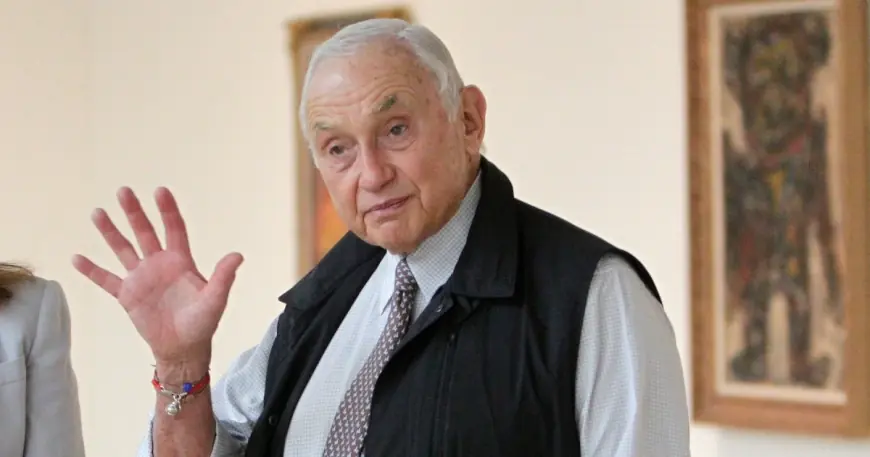
Les Wexner, the 88-year-old founder of a major retail empire, told members of a congressional oversight panel that he had been "naive, foolish and gullible" in trusting Jeffrey Epstein and that the late financier "had misappropriated vast sums" from his family. Wexner denied any knowledge of Epstein's crimes as Democrats on the panel pushed back, pointing to extensive financial ties and documentary evidence released in recent months.
Wexner's testimony: 'I was conned'
In a written opening statement and a closed-door deposition in his home state, Wexner called Epstein a "conman" and said he had been duped by someone he once trusted as a financial adviser. He said he had given Epstein significant authority over his affairs years earlier, at one point granting power of attorney, but that he had severed ties after learning of allegations that Epstein had abused minors.
Wexner said his family later discovered the adviser had taken substantial funds. "Epstein had misappropriated vast sums from me and my family, " he told the lawmakers. He also said he had visited one of Epstein's properties for only a few hours while accompanied by family members and that he had "irrevocably cut ties" once he learned of Epstein's criminal behavior.
Wexner maintained he had "done nothing wrong and have nothing to hide, " and a representative said he answered questions put to him by the committee. The deposition lasted several hours and congressional staff indicated the committee would release a transcript and video of the session.
Democrats press on financial support and access
Democratic members of the committee questioned whether Wexner's financial relationship with Epstein enabled the late financier's rise and ability to traffick victims. Lawmakers highlighted transfers of money, stock and other assets that they say significantly enhanced Epstein's resources over many years.
One committee member said there would have been no Epstein private island, no jet, and far less capacity to exploit victims without the flow of money that came from close associates. Democrats noted that documents made public by investigators show Wexner's name appearing repeatedly in the trove of materials connected to Epstein, and they argued those records warranted deeper scrutiny of the tycoon's role.
Wexner denied ever witnessing, condoning or enabling criminal conduct and reiterated that he cut ties after public allegations surfaced. He also pushed back on personal accusations lodged in court documents by at least one accuser, saying he has been steadfastly faithful to his wife for decades and denied any involvement in trafficking or abuse.
What comes next in the oversight probe
The deposition is part of a broader congressional review prompted by newly released documents from federal investigations into Epstein's network and the people who enabled him. Lawmakers on the committee have said they intend to follow the paper trail revealed in those records to determine whether more legal or legislative action is warranted.
Wexner's name was mentioned in a 2019 federal document as a potential co-conspirator, though no criminal charges were brought against him. His appearance before the committee will not be the end of scrutiny: members plan further document requests and may call additional witnesses who worked with Epstein or who can speak to transfers of funds and property.
For now, Wexner stands by his statement that he was "conned" and has denied complicity in Epstein's crimes. The congressional review is expected to move forward with a mix of public hearings and closed-door depositions as investigators piece together how Epstein amassed influence and wealth, and who may have helped him do so.