

















Exit of tony clark triggers rapid scramble for MLBPA leadership

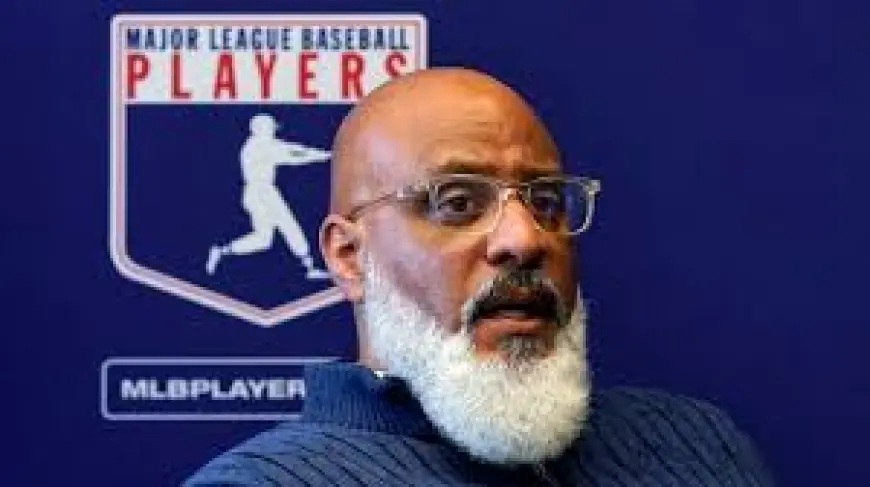
Tony Clark’s sudden resignation set off an immediate and intense leadership battle inside the Major League Baseball Players Association. With the union’s bargaining calendar still active and the collective bargaining agreement not expiring until Dec. 1, the organization faces a critical choice about whether to elevate an insider quickly or take time for a broader search.
Contenders and internal divisions
Deputy executive director Bruce Meyer is widely viewed as the front-runner for the interim executive director role, but the union’s executive board stopped short of naming him after a conference call that included the subcommittee and player representatives from all 30 clubs. Meyer, who was hired in 2018 to bolster the union’s negotiating firepower, is praised by some for an aggressive, bulldog approach. Others see him as polarizing—effective in the legal trenches yet lacking the unifying charisma many believe the role now requires.
That perceived polarization has opened the field. General counsel Matt Nussbaum is on the list of possible successors, bringing legal continuity and institutional memory. Former long-serving executive director Don Fehr has also been floated as a stabilizing interim option; he led the union for decades and would offer instant experience and credibility. Active players with union engagement are part of the conversation too: veterans who've been involved in union matters, such as Daniel Murphy and Andrew Miller, are cited as potential choices who could bring player perspective and internal legitimacy.
Outside influence has complicated the calculus. High-profile agents and client relationships are woven into the union’s leadership dynamics, bolstering some candidates while casting doubt among factions that worry about uneven influence. That tension underscores the broader challenge: selecting someone who can both advance bargaining strategy and maintain internal solidarity across diverse player and franchise interests.
What happens next and the timeline
Union subcommittees and club player representatives moved quickly after the resignation, convening meetings and raising the possibility of a vote. Several teams held meetings Wednesday morning (ET) ahead of any potential decision later that day. Still, some players and agents argue there is sufficient runway—the collective bargaining agreement remains in effect through Dec. 1—to conduct a more deliberate search and avoid appearing rushed into an interim appointment.
For Meyer, the moment is delicate. He publicly sidestepped questions about whether he wants the top job while speaking at a spring training site, refraining from staking a claim even as allies make his case. Supporters point to continuity in bargaining preparation and the benefit of a leader already steeped in current strategy. Critics counter that leadership during a politically charged transition requires a broader consensus-builder who can navigate both legal fights and locker-room unity.
The union’s internal inquiry that precipitated the resignation remains central to the story. That review uncovered an inappropriate relationship involving a union employee and a senior official’s family member, a finding that directly led to the abrupt departure. The episode has intensified scrutiny on governance, oversight and workplace conduct at the union, elevating the stakes of the successor choice beyond bargaining tactics to institutional credibility.
Labor stakes and the path forward
With labor negotiations already a long-term focus, the next leader will inherit both strategy work and reputational repair. The union must reassure members—rank-and-file players, minor-league colleagues and the broader baseball community—that leadership is accountable and prepared for what could be contentious bargaining conversations down the road.
Whether the union installs a familiar legal hand, returns to veteran leadership, or turns to a player with grassroots credibility, the decision will set the tone for the coming months. The balance between urgency and deliberation will likely determine not only who takes the interim helm but also how unified the membership will be when the next round of bargaining intensifies.