

![Florida Panthers Face Off Against [Team Name] on April 4, 2026](https://www.filmogaz.com/uploads/images/202604/image_430x256_69d2395a47e1f.webp)














james talarico interview ignites late-night vs. FCC confrontation

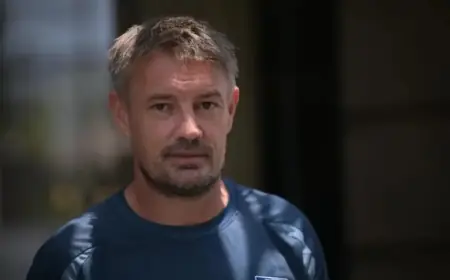
A late-night interview with james talarico became the latest flashpoint in a widening battle over broadcast political rules when network lawyers warned the segment could trigger equal-time obligations for other candidates. The conversation did not air on broadcast television and was distributed online instead, while the Federal Communications Commission’s chair publicly defended the agency’s actions and confirmed an enforcement review into a daytime panel program that recently hosted the candidate.
What unfolded on air and online
On Monday night (ET), a well-known late-night host said network legal advisers warned that airing an interview with james talarico could force the broadcaster to offer equal time to at least two other candidates vying in the same race, including Rep. Jasmine Crockett. Faced with those potential obligations, the show opted not to run the segment on broadcast television and instead released the full conversation through the program’s online channels.
The broadcaster said it provided legal guidance to the production team about the risk that live or scheduled broadcast could trigger equal-time duties. The production’s choice to publish the interview online was framed as a means to avoid possibly obligating the network to provide match-time to other campaign contenders on its airwaves.
FCC response and an enforcement review
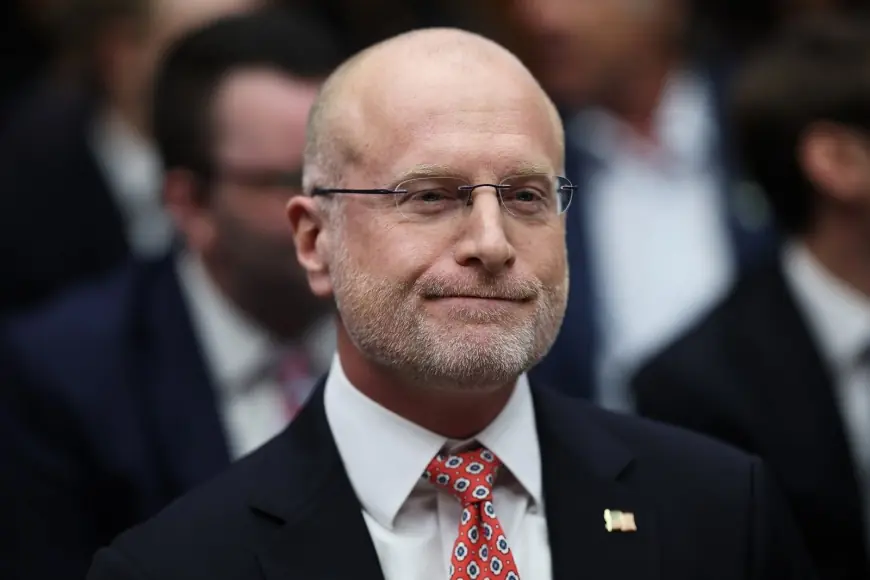
At a Wednesday press appearance (ET), the FCC’s chair pushed back against claims of censorship tied to the equal-time rule, insisting there was "zero censorship with the equal time provision. " He characterized the late-night booking as a setup by the candidate to draw attention and fundraising, saying the arrangement looked like a deliberate effort to exploit media norms for clicks and contributions.
Separately, the chair confirmed the commission has opened enforcement proceedings examining whether a daytime panel program that hosted james talarico qualifies as "bona fide" news under the statute. Under longstanding interpretation, bona fide news programming is exempt from equal-time obligations; the commission’s inquiry centers on whether that exemption applies in this instance. The chair said the commission will ‘‘take a look’’ and hold broadcasters accountable if the program does not meet the statutory standard for the exemption.
Political implications and legal contours
The equal-time provision requires broadcast licensees to provide comparable opportunities to opposing political candidates, but it has long coexisted with exceptions for bona fide news interviews, topical programs, documentaries and similar formats. Critics argue recent enforcement choices have narrowed those exceptions and placed heightened scrutiny on programs typically associated with liberal viewpoints, even as other types of political programming have remained less constrained.
For broadcasters, the present dispute presents a thorny compliance problem: airing interviews with candidates can produce promotional benefit and viewer interest, yet the legal calculus may obligate networks to extend matched exposure to rivals. That tension has practical implications for scheduling, editorial decisions and the legal advice provided to production teams.
For the campaign at the center of the controversy, the online release of the conversation ensured the candidate’s remarks reached a national audience despite the broadcast decision. The episode has also amplified debate about how the agency applies long-standing rules in a media environment that blends traditional broadcast with social and streaming platforms.
The matter is likely to remain in the spotlight as the commission’s enforcement review progresses and as broadcasters reassess how to handle candidate appearances during an increasingly contentious election cycle. For now, the push-and-pull between editorial choices, legal risk and political strategy continues to shape who gets prime-time access and where those conversations ultimately run.