























How jesse jackson's 'Hymietown' Moment Reshaped a Political Alliance and His Legacy

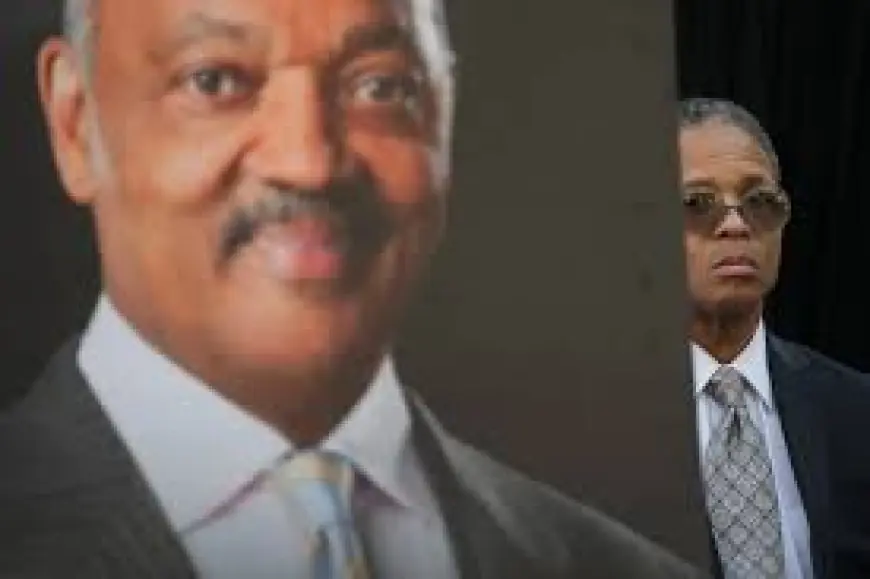
The Rev. Jesse Jackson, who died on Tuesday, Feb. 17, 2026 (ET), was a towering figure in modern American public life — a civil rights organizer, presidential candidate, and charismatic public presence with deep ties to sports and grassroots organizing. Yet one offhand remark from his 1984 presidential bid — the invocation of the word "Hymietown" — became a lasting rupture in the alliance between Black and Jewish voters that had been built during the civil rights era.
The 1984 Campaign: A coalition built and suddenly tested
Jackson entered the 1984 Democratic primary as the architect of a multiracial grassroots force he called the Rainbow Coalition. On a modest budget and without full institutional backing, he mobilized working-class voters across racial lines and emerged as a significant challenger in early state contests. In the run-up to the New Hampshire primary, however, a private remark about New York and Jews was made public and instantly altered the trajectory of his campaign.
Jackson initially denied saying the words publicly or privately and hoped the controversy would fade. He then sought to make amends directly, delivering an apology at a synagogue in Manchester, New Hampshire, and calling for inclusion in his national coalition. Yet the damage was swift. Veteran campaign operatives from that era later described the fallout as immediate and unforgiving: what had been momentum stalled, and distrust hardened among many Jewish voters who had been key partners in civil rights struggles two decades earlier.
Part of the reaction reflected the particular political dynamics of New York, where a large and politically engaged Jewish community and a vocal city leadership pushed back hard. Tensions were amplified by Jackson's associations with controversial figures and by a broader shift in the political landscape that had already strained the alliance between Black and Jewish activists and voters.
Beyond the controversy: sports, activism and a complicated public life
Jackson’s life and public persona were not defined solely by that moment. He came to public life shaped in part by athletics. A college quarterback and a lifelong sports fan, he frequently used the arena of sports to connect with broader audiences and to illustrate his arguments about opportunity, teamwork and leadership. Those ties — from college football fields to NBA courts — underscored a different side of his influence: an ability to translate cultural touchstones into political and moral appeals.
Over decades, Jackson remained a visible presence in movements for voting rights, economic justice and international solidarity. He built a national network of supporters, operated vote drives, and pressed for greater access and representation. But the 1984 episode lodged in the political memory of many, complicating how his broader contributions were perceived and remembered.
Long-term reverberations: alliances, memory and political costs
The fallout from the remark reshaped how subsequent generations of leaders approached coalition building. Some observers point to the episode as a turning point that made both political parties and activist coalitions more cautious about handling cross-cultural and interfaith tensions. For Jewish voters who had marched alongside civil rights activists in the 1960s, the controversy froze a public impression of Jackson for many; for Black voters, the episode highlighted how fragile hard-won alliances can be when private words become public crises.
Jackson’s story is, therefore, twofold: a testament to the power of uplift politics and grassroots organizing, and a cautionary tale about how a single phrase can reframe a career and alter the course of political alignment. His death this week reopens debates about leadership, accountability and the costs of public life — and it invites renewed examination of the complicated relationships that shaped modern American politics.
As historians and activists continue to weigh his impact, the larger lesson for contemporary coalitions is clear: building durable political partnerships requires continual attention to trust and the lived histories that bind communities together, even as the public square grows louder and more unforgiving.