
























ramadan mubarak: Start dates and what to expect for Ramadan 2026

Muslims around the world are preparing for Ramadan 2026, a month of fasting, prayer and reflection. This year’s start is split by moon-sighting results and local declarations, with communities preparing for either the evening of Tuesday, February 17, 2026 (ET) or Wednesday, February 18, 2026 (ET). Organisations and campuses are issuing guidance to help students and staff balance religious observance with daily responsibilities.
When Ramadan begins and why dates can differ
The Islamic month of Ramadan follows the lunar calendar, meaning its start depends on the sighting of the new crescent moon. Some communities will begin fasting after sunset on Tuesday, February 17, 2026 (ET), while others will mark the first day on Wednesday, February 18, 2026 (ET) following local moon-sighting decisions. Officials in one country have already set Wednesday, February 18, 2026 (ET) as the first day after a moon-sighting committee confirmed the crescent.
The lunar year is roughly 10 to 12 days shorter than the solar year, so Ramadan moves earlier each Gregorian year. That shift explains why fasting hours and seasonal conditions vary from year to year and why nearly every decade eventually brings Ramadan into different seasons; for example, the calendar will produce two Ramadans in 2030, beginning on January 5 and again on December 26.
Fasting hours, global differences and practical impacts
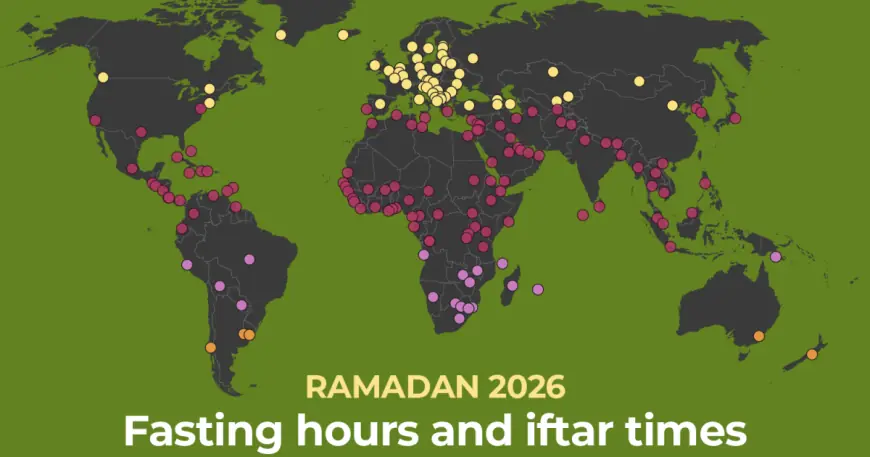
Daylight fasting hours differ significantly by location. On the first day this year, fasting durations will range roughly from about 11. 5 to 15. 5 hours depending on latitude. Most people living in the Northern Hemisphere will see shorter fasts this year—around 12 to 13 hours at the outset—while observers in southern countries may face longer days, often around 14 to 15 hours. These durations will change incrementally through the month as day length shifts.
The fast requires abstaining from food, drink, smoking and sexual relations between dawn and sunset, with the pre-dawn meal known as suhoor and the post-sunset meal called iftar. For many, the month also carries wider spiritual aims: increased prayer, charity and a heightened awareness of moral responsibility.
Support for observers on campus and in the workplace
Institutions are reminding staff and students to be mindful of colleagues observing Ramadan. A staff message circulated on a university platform extends greetings and practical support to those fasting, urging flexibility with schedules and providing space for prayer and short breaks. The message framed Ramadan as a time of spiritual renewal and community, noting the extra strain that fasting can place on daily academic and professional duties.
Voices from the community reflect the month’s personal and communal importance. One lecturer described Ramadan as a month-long spiritual retreat that moves between campus, home and favourite local mosques. Such reflections underscore why simple adjustments—like awareness of meal times, tolerance for changed energy levels and allowing time for mid-day prayers—can make a significant difference for those observing.
As Ramadan approaches, observant communities and organisations are finalising arrangements for evening iftars, prayer accommodations and academic flexibility where possible. Whether communities begin on February 17 or February 18 (ET), many will exchange the traditional greetings of "Ramadan Mubarak" and "Ramadan Kareem"—wishes for a blessed and generous month—as the period of fasting and reflection begins.