

















tahoe avalanche survivors used satellite SOS and beacon to call for help

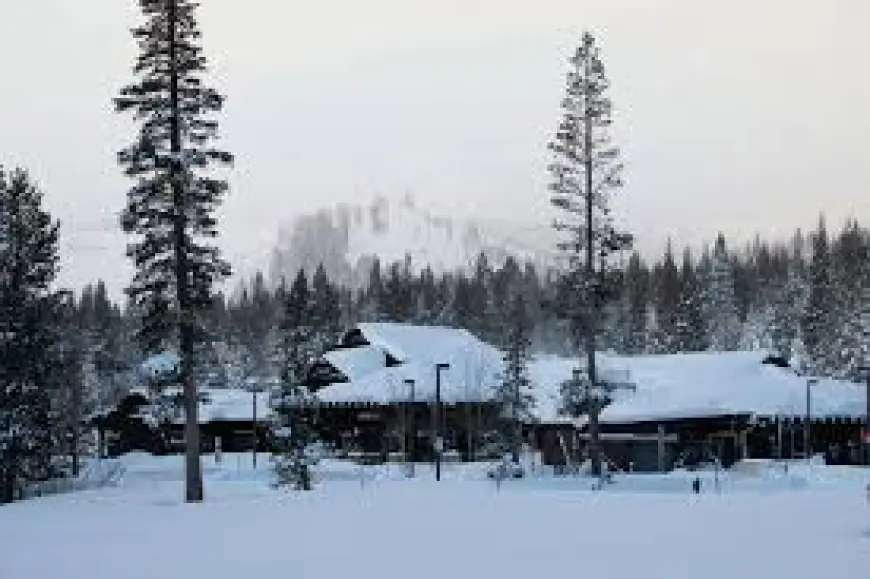
Six people caught in a backcountry avalanche near Lake Tahoe survived after using a satellite-based Emergency SOS messaging feature on a smartphone and a personal emergency beacon to maintain contact with rescuers. Law enforcement the group stayed in touch with authorities for several hours while rescue teams coordinated a response.
How the satellite Emergency SOS helped
When they were swept by the avalanche, the group—guided by a trip leader—could not rely on cellular networks. One member used a smartphone’s Emergency SOS satellite messaging feature to send text communications to emergency coordinators. That capability allowed rescuers to exchange critical information despite the lack of cell service or Wi‑Fi.
Law enforcement leadership described a prolonged back-and-forth between one of their personnel and a guide from the group that lasted roughly four hours. During that time, rescuers collected details on each person’s condition, their precise location estimates, and the remaining battery life of the devices, all of which informed the sequence and scope of rescue operations.
Alongside the smartphone messages, the survivors also had a traditional personal locator beacon. The beacon provided an additional signal that aided positioning and gave search teams another way to home in on the group amid complex mountain terrain and winter weather conditions.
Rescue coordination and outcomes
Emergency coordinators used the information streamed in from both the satellite messaging and the beacon to prioritize resources and decide what rescue actions were feasible without putting teams at undue risk. that the linked communications allowed them to keep the group calm, relay tactical guidance and confirm survivability cues while rescue crews maneuvered into place.
All six members of the party were ultimately located and removed from the avalanche area. The use of multiple communications tools—satellite messaging plus the beacon—played a central role in maintaining situational awareness for both the survivors and the command center coordinating the response.
Lessons for backcountry travelers
Officials highlighted several takeaways for people heading into remote snow country. First, having more than one method to signal for help increases the chances of being found and assisted. A satellite-capable messaging tool can keep voices connected to emergency coordinators when voice calls fail; a dedicated personal locator beacon provides an independent radio or satellite signal that searchers can track.
Second, users must position themselves outdoors with a clear view of the sky to enable a satellite link. Emergency messaging satellite typically prompts rescuers to ask for your location, whether there are injured people, and how much device battery remains—details that can change how a response is staged. Finally, training and preparedness remain critical: practicing how to use devices, carrying spare batteries or power banks, and knowing basic avalanche survival and self-rescue techniques can make a life-or-death difference.
This incident underscores how modern emergency technologies, when used alongside traditional beacons and cautious trip management, can tip the balance in survival scenarios. Backcountry users are encouraged to review their equipment, learn how to operate satellite messaging features and emergency beacons, and to make conservative choices in avalanche-prone conditions.