














antm documentary reframes a reality-TV era and points a finger at its creators

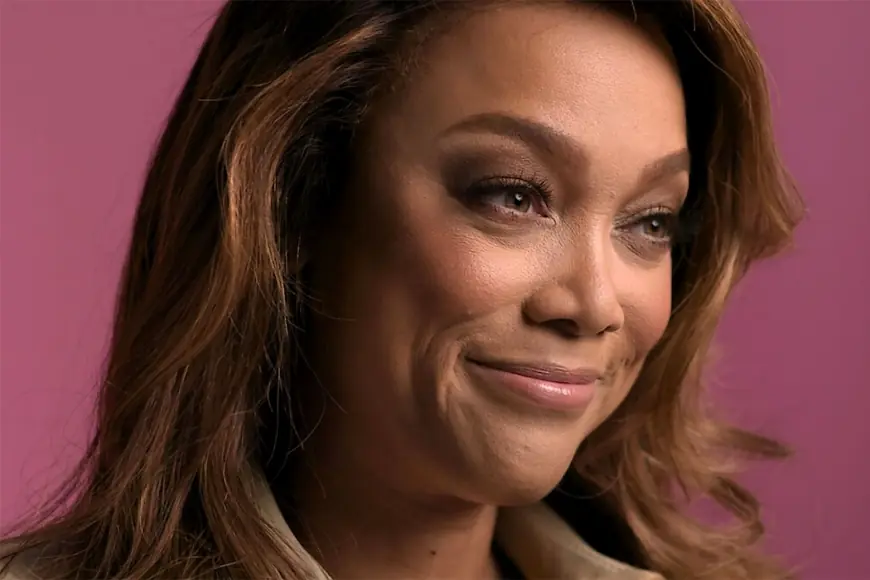
A new streaming documentary resurrects the spectacle and the harm of America’s Next Top Model, revisiting the show’s wildest moments while placing responsibility squarely on its leadership. Through interviews with former contestants, judges and executives, the film insists the program was both culturally influential and deeply problematic.
What the documentary brings back into focus
Viewers are guided through the franchise’s most notorious episodes: makeup-driven controversies, ethically thorny photo shoots, and challenges that asked young contestants to reenact trauma. The documentary stitches together first-person testimony from former participants who describe pressure to undergo dental work, to perform scenes that replayed painful personal histories, and to comply with creative choices that today read as exploitative. Footage and interviews underscore the show’s absurdity—runways with literal bubbles and water stunts—and the very real consequences for contestants who were still teenagers or in their early twenties.
Part of the film’s force comes from its timing. The series has enjoyed a wave of rediscovery among younger audiences on social platforms, which has turned old clips into fresh critique. That resurgence, the documentary argues, has opened a cultural window to reassess the program’s influence: it created a blueprint for a generation of reality programming while also normalizing treatment of participants as disposable entertainment.
Why the film places blame where it does
The documentary repeatedly centers the show’s creator and a small group of executive producers as the architects of the program’s tone. Interviewees paint a picture of tightly managed production environments where decisions about casting, challenges and judging cascaded down from the top. Those who appear on screen in the film—contestants, former judges, and production staff—describe a system that rewarded spectacle and often sidelined contestants’ well-being.
The most dramatic through-line of the film is its portrait of ownership and accountability. The series’ front-facing star is shown to have shaped the show’s development and editorial choices, and the documentary frames that positional power as central to why harmful practices persisted. At the same time, the star’s participation in the documentary complicates the narrative: being present allows that figure to explain motives and context, which the film uses to show both culpability and continued influence over how the story is told.
Legacy, reception and the limits of a retrospective
The documentary performs two jobs at once: it catalogues abuses and reaffirms the cultural footprint of the franchise. Interview subjects are candid about the ways the show opened doors for some contestants while also exposing them to public scrutiny and manipulation. That duality—career opportunity tangled with personal cost—remains the film’s most uncomfortable takeaway.
Critics and viewers who have revisited the franchise in recent months find the documentary satisfying in its forensic approach, but the film also raises familiar questions about power in entertainment: who gets to frame a story, how much responsibility falls to the on-camera star, and whether a retrospective can both expose harm and allow those implicated to influence the narrative surrounding it. The documentary’s decision to include key figures in the reassessment ensures the conversation will continue to evolve.
For audiences watching in the present moment, the documentary serves as a reminder that the early 2000s reality boom produced shows that shaped pop culture and popularized troubling production practices. As the media environment shifts and younger viewers re-encounter the franchise’s highlights and low points, this film arrives as a central account of what was made and who bore the costs.