























Why the Steelers and Commanders Should Think Twice About tyreek hill

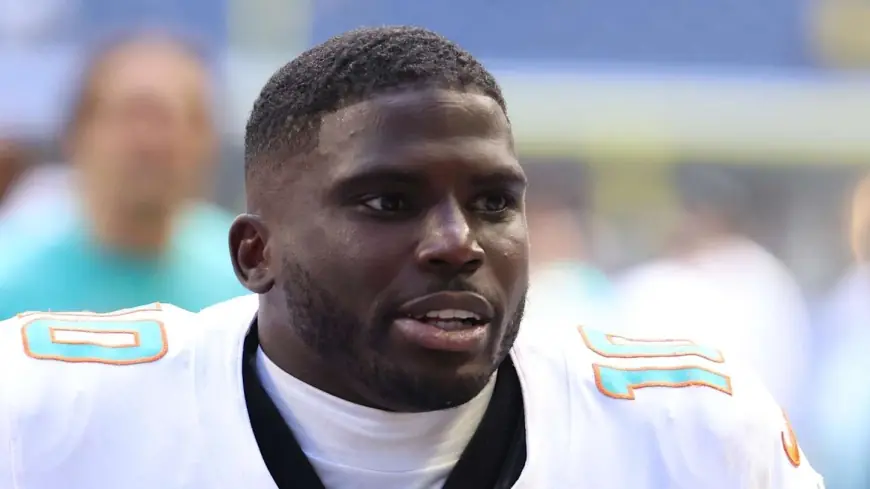
The NFL’s unexpected split with a premier playmaker has set off instant speculation about landing spots, with teams like Pittsburgh and Washington repeatedly mentioned after the receiver was released Monday morning ET. But the conversation has tilted toward caution: for clubs needing immediate help and long-term stability, tyreek hill represents a risky, high-reward proposition.
Injury history and age raise immediate red flags
Four games into last season, the receiver suffered a dislocated knee and a torn ACL on a play against the New York Jets. That combination threatens the very tool that made him elite: world-class speed. There is no certainty he will return to the same explosive form that powered an MVP-level season in 2023. Teams must consider not only whether he’ll be cleared to play but when — an uncertain timeline that could push his availability well into the season.
He’s also about to turn 32, an age when explosive receivers often begin to decline, especially after a major lower-body injury. For teams that are a roster piece or two away from contention, taking a calculated risk might make sense. For clubs in rebuilding mode or those needing help immediately, signing a soon-to-be 32-year-old coming off a torn ACL looks like a gamble with limited upside.
Production has dipped, and context matters
After an MVP-quality campaign, last season’s numbers declined to 81 catches for 959 yards and six touchdowns. That output still outpaced some veteran additions, but it was a clear down year. Evaluators will debate how much of that came from quarterback play and scheme versus true regression. Either way, the dip combined with the subsequent injury complicates projections for 2026.
Some team-builders and analysts envision him as a game-changing complement to an existing No. 1 receiver, potentially giving a quarterback more explosive options and forcing defenses to spread out their coverage. Suggestions have included pairing him with established perimeter targets or slot weapons, and discussions have circled around teams with a need for a deep-threat mismatch. But those fits assume health and timely recovery — two variables currently in flux.
High risk, high cost — and alternative paths
Cap and roster considerations will factor heavily. Even if a team believes the physical concerns are temporary, the financial outlay and roster space for an aging, recently injured star may not align with a club’s long-term strategy. Signing him could block younger, cheaper options or draft capital that would better serve a multi-year rebuild.
For many teams, a smarter route is clearer: pursue a younger, healthier free agent who can contribute immediately and invest early draft picks in wide receiver help. Clubs farther along in contention and willing to accept a wait-and-see timeline might be comfortable assuming the risk. Others should let teams closer to championship windows absorb the uncertainty.
Ultimately, tyreek hill remains one of the most enticing names on the market because of his past production and playmaking ceiling. But the combination of a major knee injury, advancing age and a measurable dip in recent production makes him a precarious lottery ticket for teams that need impact now rather than a potential late-season boost. Front offices must weigh the immediate desire for splashy additions against roster timelines and the realistic odds of a full return to peak form.