





















MLB union in turmoil after tony clark exit; immediate fight over successor

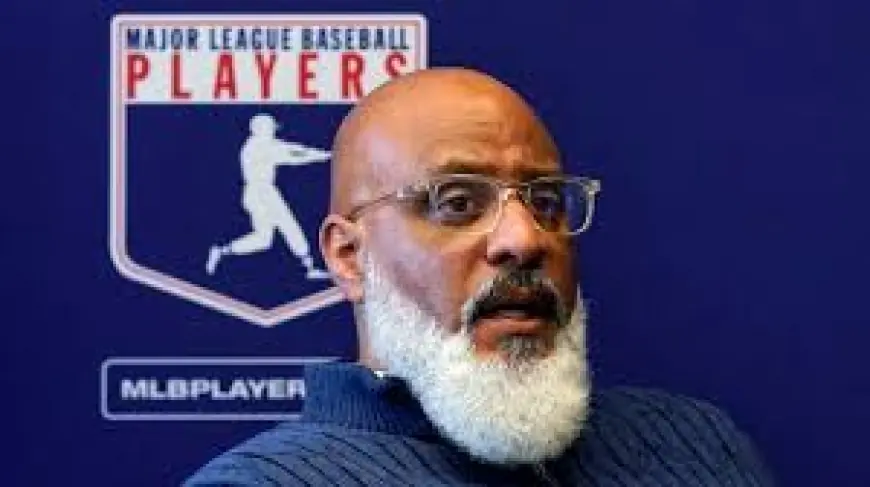
Tony Clark’s abrupt resignation Tuesday morning ET has left the Major League Baseball Players Association without a leader and sparked a rapid, heated scramble to name an interim executive director. With the collective bargaining agreement set to expire on Dec. 1 ET, player representatives and senior union officials are weighing options that range from the deputy director to veteran legal counsel to former players with union experience.
Immediate fallout and the investigations behind the resignation
The resignation followed an internal inquiry that uncovered an inappropriate relationship between Clark and a union employee who is his sister-in-law, and it arrived amid parallel probes tied to alleged financial irregularities involving union-linked entities. Those financial concerns include questions about the handling of funds and whether certain initiatives produced commensurate results, matters that have drawn scrutiny inside the union for months.
The news produced swift activity inside clubhouses and among the eight-player executive subcommittee. Teams convened meetings and a conference call gathered the subcommittee and player representatives from all 30 clubs, but the call ended without an immediate vote on an interim leader. The scene underscores the unease within the player membership: many want a quick stabilization, while others push for a deliberate search to avoid a hasty choice that could deepen divisions.
Contenders emerge as jockeying intensifies
Deputy executive director Bruce Meyer is widely viewed as a leading internal candidate. Meyer, brought in to add negotiating firepower, is admired by some for his tenacity but criticized by others for being polarizing and lacking consensus-building charisma. That mixed reception left the executive board cautious; it stopped short of installing him outright following the call.
Other names on the table include general counsel Matt Nussbaum and Don Fehr, who led the union for decades before Clark. Several former players who were active in union affairs—Daniel Murphy and Andrew Miller among them—also drew mention as potential interim voices who could bridge the gap between current leadership and rank-and-file players.
Influence from prominent agents is already shaping the debate. One high-profile representative has publicly backed Meyer, arguing that the union’s bargaining preparation is solid and that continuity in legal and negotiating staff will best protect players’ interests. Yet some players and agents worry that agent influence could push the union toward a choice that does not reflect the broader player consensus.
What this means for CBA talks and the union’s credibility
With the current collective bargaining agreement ending Dec. 1 ET, the union faces a compressed calendar to prepare for potentially contentious negotiations. Players who favor a patient search argue there is time to vet candidates and set a clear course, while advocates for a rapid interim appointment stress the need for stability and continuity in negotiations.
Beyond negotiation logistics, Clark’s exit deepens questions about governance and oversight. The union must now balance restoring internal trust with convincing players that any interim leadership will be accountable and focused on the membership’s priorities. The manner in which the executive subcommittee and player representatives handle this transition will shape perceptions of the union’s integrity heading into a high-stakes bargaining cycle.
For now, meetings and votes could come quickly as the player leadership weighs competing pressures: the urgency of an approaching CBA deadline, factional concerns about internal candidates, and the broader imperative to demonstrate transparent, principled leadership. The coming days will determine whether the union can move past the shock of Clark’s departure and marshal a consensus choice that commands confidence across the player base.