


















How robert duvall fell in love with Scottish football and made Kilnockie famous

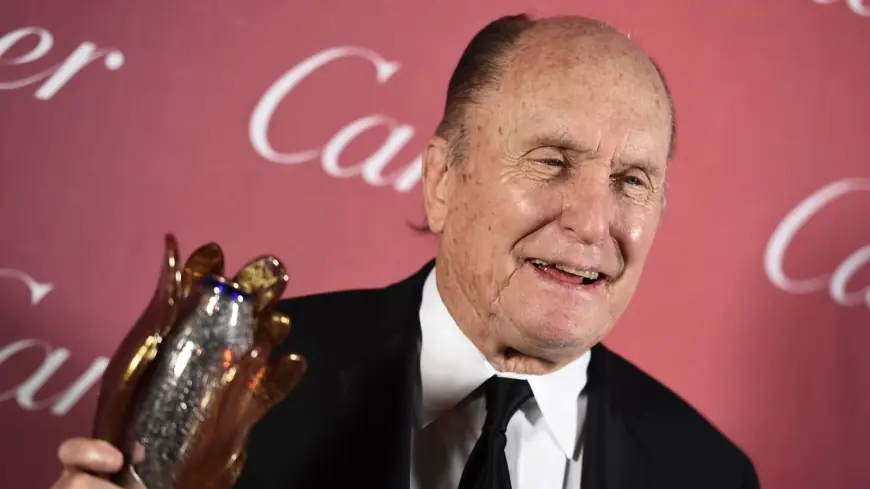
Robert Duvall, the towering screen presence who died this week at the age of 95, was better known for roles in mafia epics and war dramas than for coaching from the touchline. Yet one of the more unexpected chapters of his long career came when he embraced Scottish football while making the 1999 film A Shot at Glory. Local crowds, small stadiums and a fictional cup run produced a string of memorable moments that revealed a softer, almost romantic side to the Hollywood icon.
From Annapolis to Hampden: an unlikely obsession
Duvall’s career spanned seven decades and included some of cinema’s most indelible characters. But in the late 1990s he developed a particular fascination with Scottish football, so much so that he wanted his next film set in that world. The project followed fictional Kilnockie FC on a fairytale journey to the Scottish Cup final, and Duvall — who took on the role of a Scottish manager — travelled across the country scouting grounds and soaking up atmosphere. His presence at stadia from Hampden Park in Glasgow to Palmerston Park in Dumfries invited curiosity and, ultimately, affection from local supporters who came out in their thousands to watch filming unfold.
Pals, overhead kicks and a touchline Oscar winner
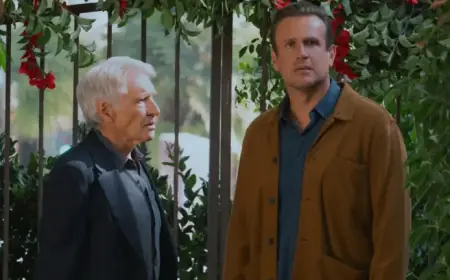
One reporter recalled an abrupt, electrifying encounter in the car park of a community arts centre in Dumfries in 1998, when Duvall briefly spoke about whether Palmerston Park would suit the film. He returned the following year for extended location work and found himself pacing a Scottish touchline in front of enthusiastic crowds. The film starred a celebrated former player who took on the lead role opposite Duvall, and scenes were shot repeatedly to capture the right mix of drama and authenticity — including many attempts at overhead kicks and full stadium sequences. For a time, it seemed as if an Oscar winner had become a familiar figure among club supporters, showing a humility and curiosity that endeared him to local communities.
Legacy beyond the set: mentorship and small, true moments
Those on-set anecdotes connect to a broader portrait of Duvall as an actor who prized truth and restraint, and who left a strong impression on colleagues and younger filmmakers. In earlier years, he was known for urging fellow performers toward authenticity, and several who worked with him have described moments that proved pivotal in their careers — quiet conversations that became the turning point for someone’s confidence or creative direction. The Scottish film may not be counted among the actor’s greatest artistic achievements, yet the project stands as an example of his willingness to follow unlikely passions and to immerse himself in worlds far removed from Hollywood’s soundstages.
As tributes continue this week, memories of Duvall striding along dimly lit touchlines or quietly steering actors toward more truthful performances sit alongside his better-known screen milestones. The Kilnockie story remains a distinctive footnote: a reminder that even the most celebrated artists can find joy and inspiration in small towns, gritty pitches and the unpredictable energy of the crowd.