





















Blue Moon Joins Streaming Roster as ethan hawke Garners Oscar Buzz for Lorenz Hart Turn

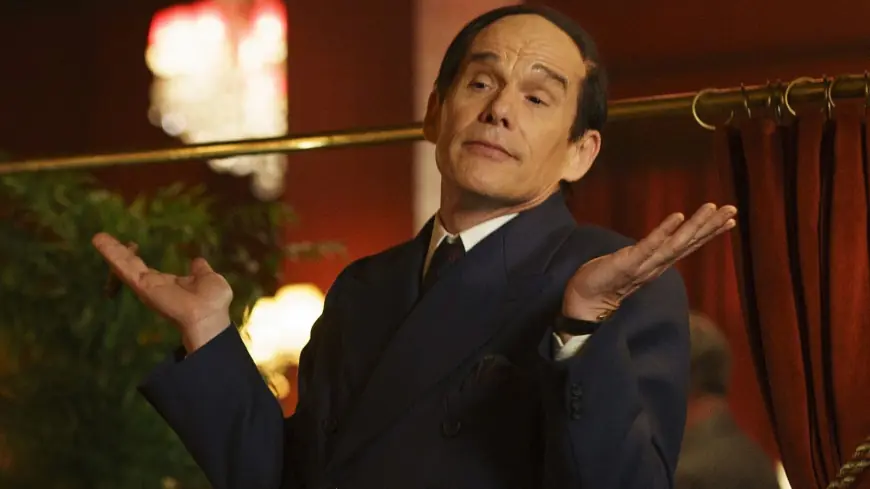
Richard Linklater’s Blue Moon, a conversational period drama anchored by a career-turn performance from ethan hawke as lyricist Lorenz Hart, begins streaming on February 14, 2026 (ET). The intimate, dialogue-driven film — previously released in theaters last October — has built awards momentum with two nominations at the 98th Academy Awards, including a Best Actor nod for Hawke and a Best Original Screenplay nomination for Robert Kaplow.
Streaming debut, release timeline and awards push
Blue Moon’s arrival to streaming platforms this February follows a theatrical run in the autumn of 2025. The move expands access to a film that has been gaining traction in critical circles and with awards voters; the Academy Awards ceremony is scheduled for March 15, 2026 (ET), placing the streaming premiere squarely in the final push window for voters and a wider public audience alike.
The film’s modest, intimate scale — most of the action unfolds during a single evening in 1943 at the storied Sardi’s restaurant, on the night of the original Oklahoma! opening — translates well to home viewing. Its availability for streaming is likely to increase casual discovery among viewers who missed the theatrical run and to amplify the awards conversation as show voters and general audiences reassess the performances.
Hawke’s portrayal of Lorenz Hart: subtle, theatrical and raw
Hawke’s performance as Lorenz Hart is the film’s emotional anchor. The portrayal is not a flashy impersonation; rather, it’s a layered study of a man who lives through performance but struggles to inhabit his private self. Hart’s paradox — a celebrated lyricist who is personally fraught, repressed and painfully aware of being left behind as collaborators move on — is rendered in small, precise choices: a voice that wavers between bravado and despair, furtive glances that betray longing, and a restless energy that Linklater frames with patient economy.
The movie leans heavily on conversation, and Hawke’s performance carries those scenes. His chemistry with the actor playing Richard Rodgers and with his onscreen confidante helps reveal Hart’s volatility: charm and self-pity, erudition and insecurity. The film also makes use of practical techniques to convey Hart’s physicality and stature — forced-perspective setups and camera strategies are occasionally noticeable, but they rarely distract from the emotional center Hawke builds.
Direction, supporting work and what to watch for
Linklater’s direction in Blue Moon is quiet and unobtrusive, favoring actor-led moments over flashy camera moves. That choice lets performances breathe: the actor portraying Richard Rodgers gives a compact, complex counterpart to Hawke’s Hart, balancing affection with a simmering resentment that adds texture to their decades-long creative partnership. A winsome, liberated young woman who befriends Hart provides a tender counterpoint and rounds out the ensemble.
Technically, the film deploys practical cinematography tricks to suggest period proportions and to evoke the cramped glamour of a 1940s theatrical social scene. Those effects are sometimes evident in the framing, but most viewers will find the small imperfections a fair trade-off for the movie’s warmth and melancholy. For those watching closely, there are playful, almost blink-and-you-miss-it cultural winks scattered through the picture that add a light note to otherwise weighty themes about legacy and loneliness.
With its streaming debut on February 14, 2026 (ET), Blue Moon becomes more accessible to audiences poised to weigh its awards prospects. Whether viewers come for the historical curiosity, the dialogue-driven craft, or the lead performance, the film offers a compact, elegiac portrait of an artist contending with fame, friendship and personal demons — and it positions ethan hawke as a central figure in this awards season conversation.