














The Hunting Party: Why the New “Hunting Party” Craze Keeps Growing, and What the TV Thriller Is Really Saying

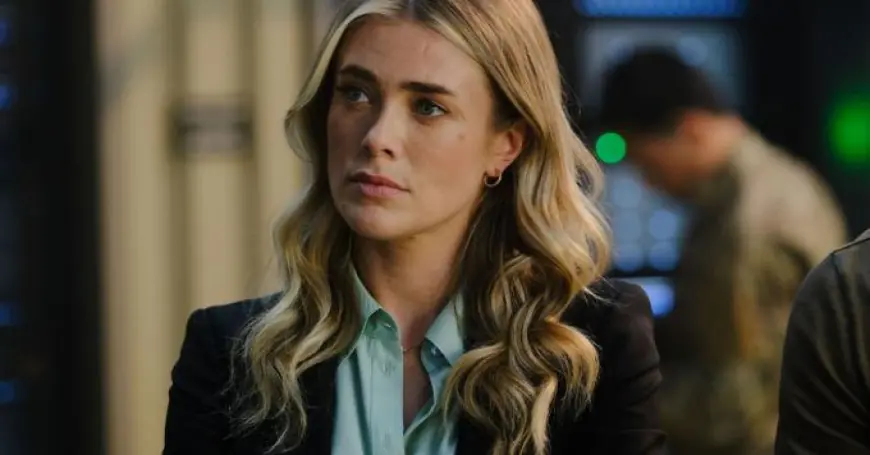
“The Hunting Party” has become one of those titles that keeps popping up in conversations for two different reasons: it’s the name of a fast-moving crime thriller series, and it’s also a phrase people use to describe everything from vigilante-style pursuits to political takedowns and social-media pile-ons. That overlap is part of the appeal. The show sells a high-concept chase, while the phrase itself taps into a darker modern anxiety: once the hunt starts, it rarely stays contained.
The current spike in interest is largely tied to the TV series that debuted January 19, 2025, with a second season that began January 8, 2026, both in USA Eastern Time. The premise is simple enough to pitch in one sentence: an elite team must recapture extremely dangerous killers after a catastrophic breach at a secret facility that officially shouldn’t exist. The execution, though, is where the hook lives—because the story isn’t only about catching monsters. It’s about who built the cage, who benefited from it, and what happens when the system that promised control collapses.
The Hunting Party TV series: what it’s about, and why the premise works
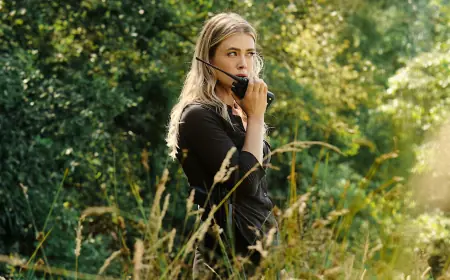
At the center is Rebecca “Bex” Henderson, a profiler pulled back into high-stakes work when the underground prison suffers an explosion and the “worst of the worst” end up back in the world. She’s joined by a small team that blends law enforcement, intelligence, and operational muscle. The show’s structure leans procedural—one target per episode—but the serialized engine is the mystery of the prison itself: what it was really doing, who authorized it, and whether the breach was an accident or an inside job.
That’s a reliable formula for binge-friendly viewing: a weekly capture mission that provides closure, plus a bigger conspiracy that withholds closure. It’s also the type of setup that makes viewers argue in group chats, because every episode invites two questions: who deserves a second chance, and who gets to decide that?
Behind the headline: the real “hunting party” is about institutions, not just killers
The phrase “hunting party” sounds old-fashioned—aristocrats in tweed, trophies on walls—but in modern storytelling it usually means coordinated pursuit with asymmetric power. The show plays with that idea in three layers:
-
The killers hunted by the team
-
The team itself being steered, monitored, and sometimes misled
-
The broader system hunting for someone to blame once the secret breaks into public view
That’s why the “secret prison” angle matters more than the escapees. It raises the incentive problem: if powerful people built something off the books, they’ll prioritize limiting exposure over transparent justice. And when exposure becomes inevitable, someone lower down the chain becomes the sacrificial target.
Stakeholders are clear even when the show doesn’t say them out loud:
-
Government and intelligence actors protecting careers, budgets, and authority
-
Victims’ families who want certainty and accountability, not just arrests
-
The team members who may be doing “good” inside a machine that did something indefensible
-
The public, which becomes both audience and pressure tool once the story leaks
What viewers keep debating: redemption vs. containment, and the cost of secrecy
One reason “The Hunting Party” travels well as a concept is that it mirrors real-world dilemmas without needing to be a documentary. People recognize the pattern: secrecy creates speed and power, but it also creates rot—bad incentives, fewer guardrails, and a higher chance that a failure becomes catastrophic.
The missing pieces that keep viewers invested are also the questions the story keeps circling:
-
Who ordered the facility, and under what legal authority?
-
Were any prisoners ever used for research, leverage, or off-the-record operations?
-
Who benefited from keeping certain people alive, hidden, and controllable?
-
Was the explosion a rescue, a cleanup, or a warning?
The show’s tension isn’t only whether Bex catches the week’s target. It’s whether she can keep doing the job once she understands what the job has been serving.
What happens next: where the series can realistically go from here
Based on how these stories typically evolve, the next steps tend to fall into a handful of grounded scenarios, each with clear triggers:
-
A capture goes wrong in a public setting, forcing the conspiracy into daylight and shrinking the room for secrecy.
-
A team member discovers a paper trail that implicates someone senior, creating an internal fracture over loyalty versus truth.
-
Evidence emerges that the breach was designed to erase something, not simply free someone.
-
The “hunts” become politically inconvenient, leading to pressure to shut down the operation—or redirect it toward a scapegoat.
-
Bex is forced to choose between completing a mission and protecting a witness who can expose the prison’s real purpose.
In short: the chase can keep delivering weekly thrills, but the bigger engine is trust—who has it, who loses it, and what people do when they realize they were part of a hunting party they didn’t choose.
If you meant a different “Hunting Party” (a movie, a book, or a specific local event called a hunting party), tell me the format and the year, and I’ll zero in on that version.