



















tony clark's Resignation Sparks Intense Scramble for MLBPA Leadership

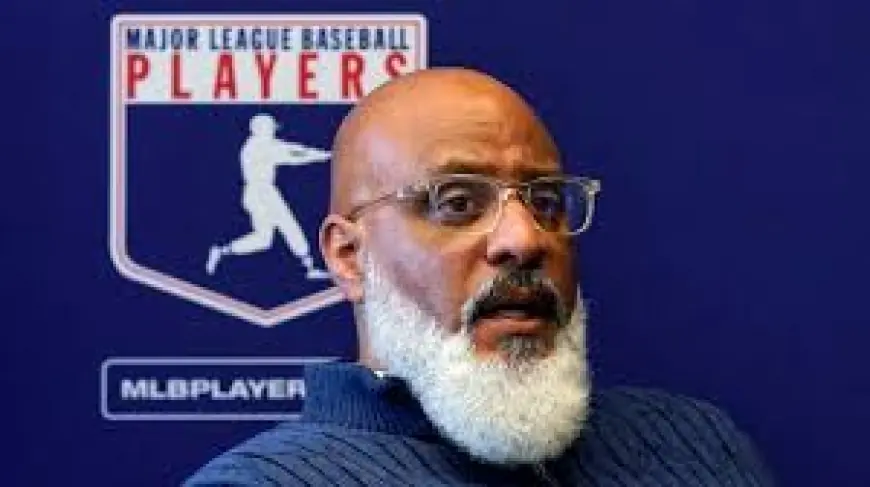
The sudden exit of Tony Clark has plunged the Major League Baseball Players Association into a leadership vacuum, triggering a rapid and fraught search for an interim executive director. With the collective bargaining agreement expiring on Dec. 1 (ET) and multiple investigations hanging over the union, player representatives and influential agents are maneuvering behind the scenes to shape the next chapter.
Front-runners and contested turf
Deputy executive director Bruce Meyer has emerged as the most prominent internal option to take the reins, but the path to immediate elevation is far from assured. The players’ executive board on Tuesday stopped short of naming an interim leader after a conference call among the eight-player executive subcommittee and representatives from all 30 clubs, signaling a lack of consensus.
That hesitation reflects broader unease in parts of the membership. Some players and agents fear a hasty promotion could entrench a polarizing figure and have pushed for a more exhaustive search. High-profile influence from an outspoken agent backing Meyer has further intensified divisions, with allies rallying quickly while skeptics seek alternative solutions.
Other names under consideration include the union’s general counsel, Matt Nussbaum; Don Fehr, who previously served as the union’s executive director for decades; and active or recently retired players who have been engaged in union work, such as Daniel Murphy and Andrew Miller. Each candidate brings different strengths: institutional knowledge and legal chops in the case of Nussbaum and Fehr, or locker-room credibility and recent playing experience in the case of Murphy and Miller.
Bargaining clock and mounting investigations
The timing of the leadership question elevates its stakes. The collective bargaining agreement does not expire until Dec. 1 (ET), but a clear leadership plan is considered essential for setting bargaining strategy and maintaining player unity. Several clubs convened emergency meetings Wednesday morning ahead of a possible vote, underscoring how quickly the situation escalated.
Complicating the transition are multiple inquiries into the union’s operations that preceded the resignation. An internal inquiry determined there had been an inappropriate relationship involving a union staffer and the former executive director, and separate investigations examine alleged financial irregularities tied to outside initiatives linked to the union. One investigation has scrutinized millions of dollars directed to a youth-baseball initiative that failed to deliver the expected programming, while another probes equity and financial arrangements involving a licensing partner. Those inquiries have made many within the player ranks wary of rushing into a new leadership choice without clarity on the union’s finances and governance.
What to expect next
In the short term, the union’s executive subcommittee and the full board face a choice between elevating an in-house negotiator to steady the ship or conducting a broader search that could include former leaders or player-activists. Meetings among club representatives and player members may move toward a vote as early as this week, but the lack of unanimity suggests the process could extend longer if members insist on vetting additional options.
For the membership, the priorities are clear: restore trust, protect bargaining leverage, and present a united front ahead of winter negotiations. How quickly, and how thoughtfully, the union resolves its leadership question will shape not only the upcoming talks with owners but also the public perception of the players’ association at a moment when transparency and accountability are under intense scrutiny.
As discussions continue behind closed doors, the new leadership—whether interim or permanent—will inherit a fraught agenda: repair internal fractures, address outstanding investigations, and prepare a negotiation posture with the calendar ticking toward Dec. 1 (ET). The coming days will likely determine whether the union can move from crisis management into steadier governance in time to marshal its bargaining strategy.