










robert duvall remembered: 25 years of friendship, football and film

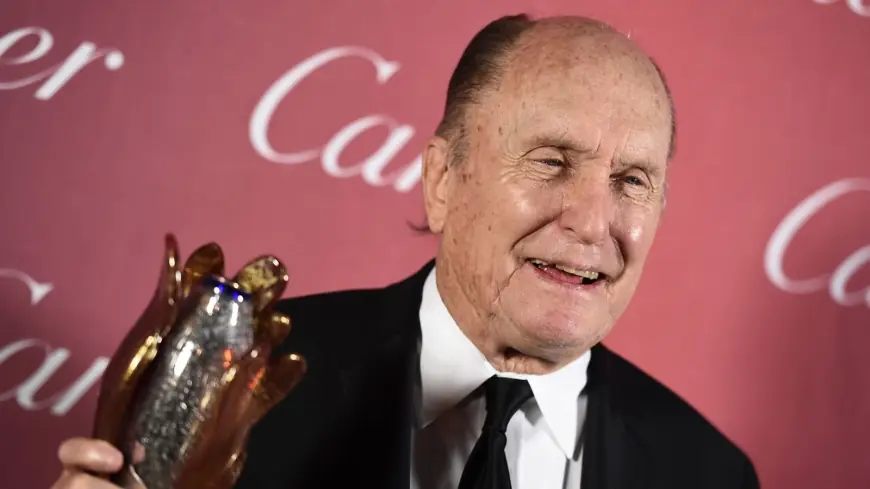
Legendary actor Robert Duvall, who died on Monday at the age of 95, is being recalled not only for iconic screen roles but for the quiet, career-changing mentorship and offbeat cultural passions that defined his life. Over the past week, colleagues, collaborators and friends have shared how his generosity, discipline and curiosity shaped their work and lives.
A life-changing mentorship on a muddy set
One of the most personal remembrances comes from filmmaker Scott Cooper, who traces a 25-year friendship back to a single moment on a civil war set in Maryland. A young actor at the time, Cooper describes standing in damp wool and mud, overwhelmed by the scale of production and the gravity of the scene. It was Duvall—seated tall and still on horseback as Robert E. Lee—who offered an unadorned verdict that changed everything: “You’re a nice actor. You didn’t push the emotion. ”
That brief comment, followed by an invitation to dinner, turned into sustained guidance. Duvall’s praise gave Cooper permission to trust restraint and stillness. When Cooper drifted from acting into writing, Duvall nudged him toward creating his own work, pointing to the personal nature of a film the actor himself had made years earlier. Cooper’s screenplay would become Crazy Heart, and Duvall’s quiet confidence in his friend’s gifts was a pivotal moment in that journey.
Beyond encouragement, the relationship exemplified Duvall’s wider approach: a fierce protection of truth in performance, an insistence on authenticity, and a readiness to mentor younger artists without fanfare.
An unlikely Scottish football cult hero
Duvall’s cultural reach extended well beyond Hollywood. Preparing to play a Scottish football manager in a late-1990s drama, he immersed himself in local football life, turning up at stadiums and training grounds and embedding with players and fans. That immersion transformed a role into a genuine cultural moment: he became a familiar face at matches, enjoyed the banter and routines of the dressing room, and built friendships with players and staff.
Those who worked with him remember someone who loved the camaraderie and the informal pleasures of the set: impromptu games, shared meals, and laughter between takes. The actor’s embrace of the local scene—so complete that he even named a dog after a club legend—left him an unlikely cult figure among football supporters. The affection was mutual; teammates and co-stars recount how he became “one of the boys” during the shoot and kept in touch with families for years afterward.
Enduring legacy and public tributes
Tributes flowing in this week highlight a career that spanned seven decades and countless memorable turns: a consigliere in a crime saga, a presence on a Vietnam battlefield, a songwriter-seeking grace in quiet dramas, and a filmmaker who wrote, directed and starred in deeply personal work. Colleagues from multiple generations have emphasized the same traits: craftsmanship, storytelling instincts, and a generosity that extended beyond the camera.
Actors and collaborators have called him a guiding light in their artistic lives; some describe him as a mentor, others as an inspirational peer whose exacting standards and humility made those around him better. For people who worked with him, his influence wasn’t limited to a single role or award. It arrived in small, decisive moments—the offhand praise that renews confidence, the dinner that opens a new path, the willingness to immerse oneself wholly in a community for the sake of truth.
As tributes continue, Duvall’s legacy will be measured not just by the lines he delivered or the statues he may inspire, but by the ways he quietly altered careers, cultures and personal lives. In the memory of those he touched, his greatest achievement may be the lives he changed simply by taking the time to notice and to speak truth kindly.